Government's climate action plan to push for simplified grants
The plan, which includes 18 new climate priorities, is expected to be brought for Cabinet approval in the coming weeks
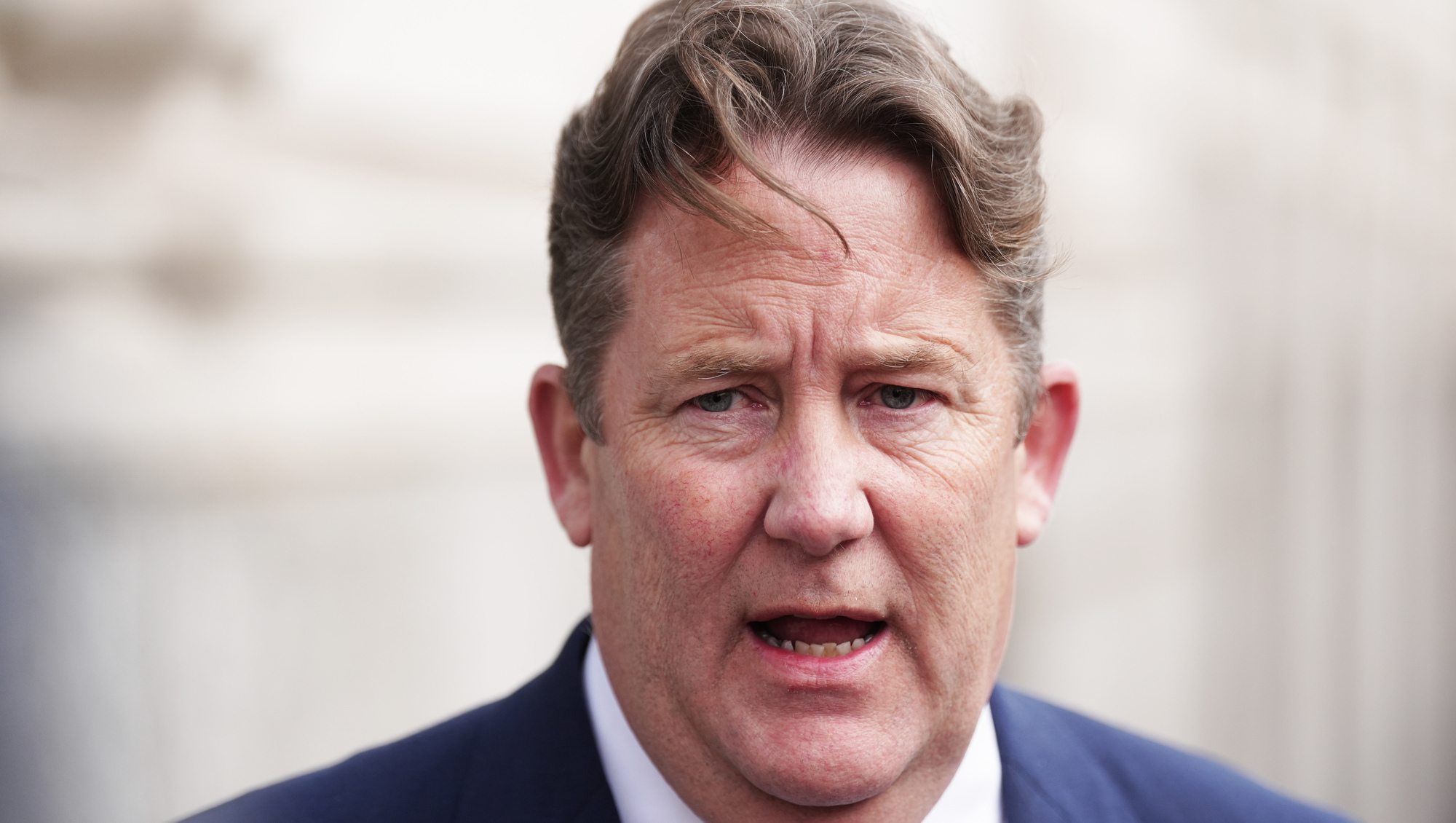
The plan is expected to be approved before environment minister Darragh O'Brien attends the Cop31 summit in November.

The plan is expected to be approved before environment minister Darragh O'Brien attends the Cop31 summit in November.

Climate grants should be simplified and made easier to access by the public, the Government’s upcoming climate action plan will state.

The long-delayed plan is expected to be brought for Cabinet approval in the coming weeks, with it set to include 18 new so-called climate priorities.

It is expected to be a simplified plan compared to previous iterations, with one senior Government source saying they wanted it to be more “focused” and have deliverable actions throughout its lifespan.

The plan is likely to be brought to Cabinet in the weeks ahead, with it expected to be approved by Government before environment minister Darragh O’Brien travels to the UN climate change summit, Cop31, in Turkey in November.

Discussions on the revised plan took place last week, with it being brought to the Cabinet committee on the environment.

One senior source said the previous system for delivering climate action plans had become an “administrative hamster wheel”, with civil servants spending significant time drafting the document rather than ensuring its implementation.

The new plan will cover both 2026 and 2027, with a progress report expected to be delivered during its lifetime.

It is understood one element of the plan is its simplified climate priorities, with a total of 18 due to be confirmed.

These include commitments to expand and upgrade Ireland’s energy grid, with the plan set to call for increasing storage capacity.

The plan is expected to note that providing more renewable energy will improve Ireland’s energy security while reducing the State’s exposure to volatile oil and gas markets.

It will also point to increasing electrification being a strong tool available to the State to cut carbon emissions, while calling for increased rollout of onshore wind and solar generation projects.

It is understood the plan will call for an acceleration of supports to help people decarbonise and retrofit their homes.

The plan is also due to call for further simplification of grants and supports for climate action.

It is due to suggest these supports should be made easier to access, with a call for simplified processes across all agencies of the State.

Reducing carbon in construction

The plan will also include a pledge to further reduce carbon within Ireland’s construction sector, with a priority set to be placed on cutting carbon from the cement and concrete sector. This is due to their position as high greenhouse gas emitting industries.

To achieve this, the Government will reform public procurement policies for public sector construction projects and encourage use of low-carbon materials.

The updated plan is also due to call for increasing the proportion of renewable fuels used within the transport sector.

There will also be a call for councils to be given more responsibility for climate action at a local level.

It comes as UN scientists have said urgent cuts to emissions will be needed to limit global warming to 1.7-1.8C above pre-industrial levels.

While the world is expected to pass the 1.5C warming threshold set out in the Paris Agreement, UN secretary-general António Guterres said “overshoot is not surrender”.

“We can still keep it as small and as short as possible — and bring temperatures back below 1.5C by the end of the century,” Mr Guterres said.

CLIMATE & SUSTAINABILITY HUB

More in this section

Politics

Newsletter

From the corridors of power to your inbox ... sign up for your essential weekly political briefing.

Cookie Policy Privacy Policy Brand Safety FAQ Help Contact Us Terms and Conditions

© Examiner Echo Group Limited