West Kerry Gaeltacht being 'consumed' as locals priced out
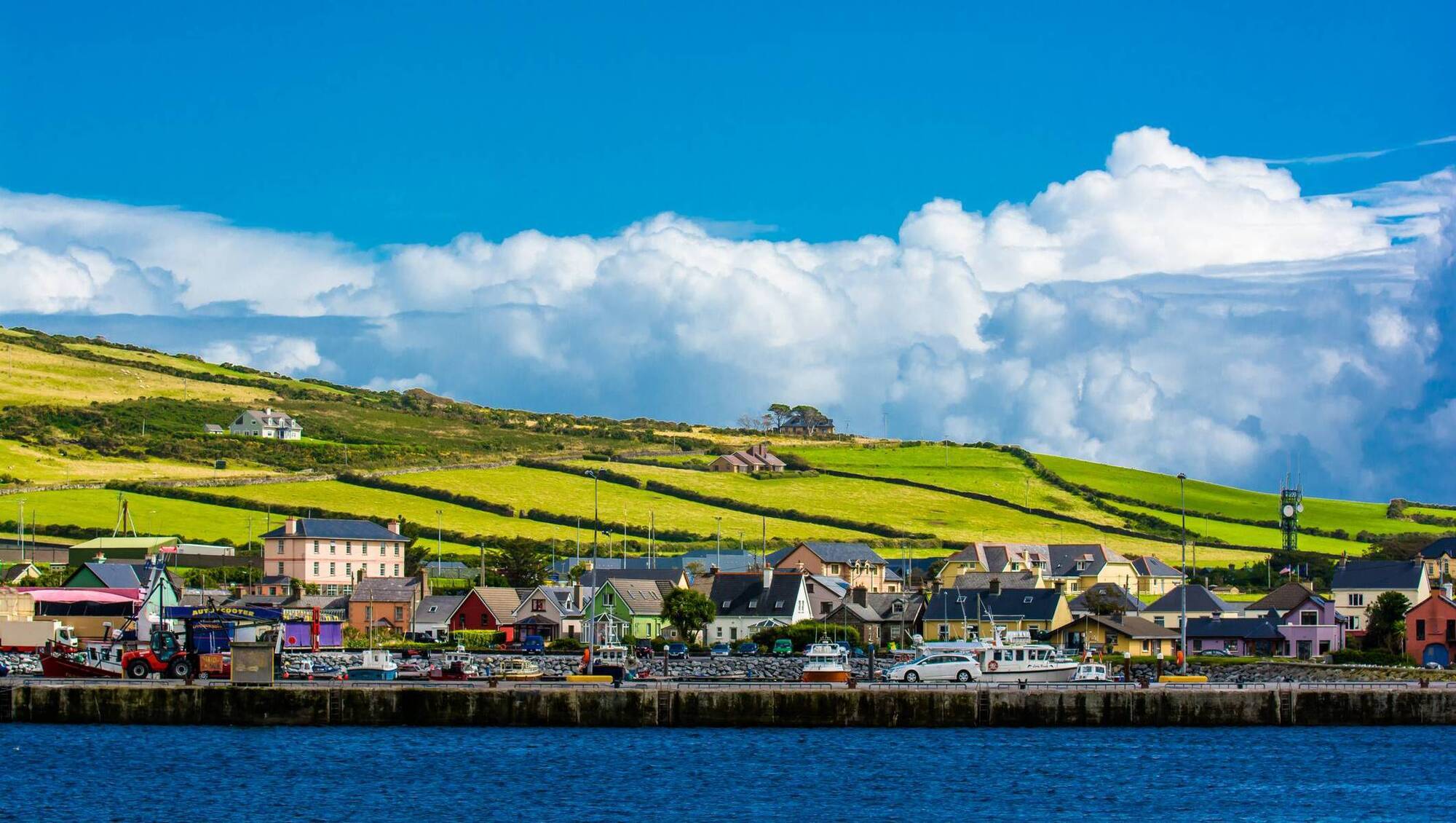
A new study found there are 48 holiday homes for every 100 permanent residences in Dingle town, while the number of holiday and short-term lets in the heart of the Corca Dhuibhne Gaeltacht has outstripped the number of permanent homes. Stock picture
Locals are being "displaced hand over fist" from the Dingle Peninsula, while parts of the west Kerry Gaeltacht risk being "consumed" by non-Irish speakers because of the housing crisis, a council meeting has heard.
A new study found there are 48 holiday homes for every 100 permanent residences in Dingle town, while the number of holiday and short-term lets in the heart of the Corca Dhuibhne Gaeltacht has outstripped the number of permanent homes.
The council meeting heard that while the dominant industry in the area is tourism, such staff have nowhere to rent.
“There is a massive disconnect between available income and the cost of houses in Dingle and Corca Dhuibhne,” said Sinn Féin councillor Robert Brosnan.
Read More
Presenting findings from the ongoing Trinity College Dublin study, Mr Brosnan said an entire generation of local people risked being priced out of their communities, threatening the long-term survival of Irish as a living language in the area.
Kerry has the lowest average household income in Munster, while the median income in Dingle was just €39,714 according to Census 2022 data. At the same time, house prices in the town are 36% higher than the county average.
Mr Brosnan said this left many local people unable to buy a home, with property prices in Dingle generally exceeding €500,000.
“Even if people have a site for free, they would be hard-pressed to build a house,” he said.
Initial findings from the study, , were presented last week in Baile an Fheirtéaraigh.
The research found exceptionally high levels of holiday homes and visitor accommodation across the peninsula. In Dún Chaoin there were 96 holiday homes compared with 82 permanently occupied dwellings, while in Dún Urlann holiday and visitor accommodation outnumbered residential homes.
In Dingle town, there were 289 holiday or visitor dwellings compared with 603 permanent residences, equivalent to 48 holiday homes for every 100 occupied homes.
Researchers also found that despite more than 1,000 Airbnb listings being available on a typical day, repeated searches failed to identify any long-term rental properties across the peninsula.
Tourism is now the area's dominant industry, but focus groups found many workers had nowhere to live or were living in poor accommodation.
Mr Brosnan said researchers had warned that unless the housing crisis was addressed, the future of Irish as the community language of the Gaeltacht would be put at risk.
The report recommends changes to housing support schemes, including revised thresholds for the Local Authority Home Loan and First Home Scheme in Gaeltacht areas, arguing that current income limits fail to take account of the area's distorted relationship between earnings and property prices.
- This article is funded by the Local Democracy Scheme

CONNECT WITH US TODAY



Be the first to know the latest news and updates