Irish Examiner view: Climate change death statistics are terrifying
Recent headlines about climate change make for gloomy reading, given the relentless onslaught of bad news.
This week, however, a story emerged which moved the dial from depressing to outright alarming.
According to research published in the journal , more than 50,000 people died prematurely because of the high temperatures in 854 European cities between June and August this year.
Two-thirds of those deaths were attributed specifically to climate change, making 2025’s summer heat the deadliest on record; the number of deaths was 70% higher than those recorded during previous heatwaves such as 2003 and 2022.
According to the research, 60 people are estimated to have died prematurely because of high temperatures in Irish cities during the relevant timeframe, with 60% of those deaths attributed specifically to climate change.
Those are terrifying numbers, and it must be pointed out that they do not tell the full story.
Less than half of the population of the population of the EU, the UK, Norway, and Switzerland — 40% — was considered by the researchers, and in Ireland the researchers focused on approximately 1.5m people in an urban setting rather than the entire country.
We have long since passed the stage of doubting the seriousness of climate change, but statistics such as these demand action.
If any phenomenon in Irish life was directly causing the deaths of dozens of people there would be calls for emergency measures to be put in place.
Given the partial sample size used in this research, the number of deaths due to climate change may be significantly higher.
This research should serve as a starting point for introducing changes to our infrastructure, for greening our cities, and for building preparedness in our communities for the heat we can now expect every summer.
We do not want to learn next winter that even more people have died as a direct result of climate change.
The ongoing crisis in our health system, and the challenges faced by our overcrowded hospitals in particular, were discussed again this week in Dáil Éireann.
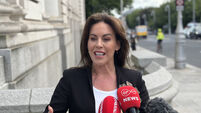
Health minister Jennifer Carroll MacNeill was particularly critical of Cork University Hospital (CUH) when discussing the number of hospital patients on trolleys: “The reality is that there are some hospitals that have not improved, that need to improve, and bizarrely, the ones that consistently don't improve, Cork, have had the highest recruitment.”
These comments should be seen in the context of recent concerns expressed by the Cork hospital’s CEO, Jennifer Kearney, about problems with staffing and patient safety at CUH.
The health minister got the support of Taoiseach Micheál Martin, who acknowledged pressures on the health system in general but added that “people have to do their jobs and manage their resources”.
The Taoiseach also said that he did not want to engage in “megaphone rows” on the matter, but it seems as if that particular horse has bolted.
The public scolding dished out by the health minister this week to CUH seems unlikely to improve the situation, particularly when set against Ms Kearney’s assertion that no one had contacted her following concerns that she had expressed last summer about staffing levels in CUH.
It would surely be better to have at least addressed those assertions at that time rather than resorting to confrontation now, months later.
There is a discomfiting pattern of behaviour here from the Government.
The laissez-faire attitude to pay in the public service, for instance, allowed matters to drift until we had last week’s disruption.
Now we have another case of timely warnings being ignored and of the situation escalating in turn.
Readers are no doubt aware of the Dublin Rape Crisis Centre (DRCC) video about consent and children which caused so much debate this week.
Though it was withdrawn swiftly by the centre from its video channels, the storm of controversy which arose from its brief run online means it is unlikely to be forgotten any time soon.
The video clip shows two grandparents arriving at a family home and embracing two of their grandchildren, while a third child is clearly reluctant to do so.
The video was criticised by justice minister Jim O’Callaghan, who said it did not represent the Government’s views.
As reported here by Louise Burne, the minister added: “It goes without saying that having loving grandparents in a child’s life is an incredibly positive thing to be cherished and not something to be campaigned against.
“While it is vital to ensure that people understand the concept of consent when it comes to sexual relationships, this video did not advance that aim and in many ways was counterproductive.”
This is one of the video clip’s key flaws.
Consent and boundaries are important topics, and children and young people need to be educated and empowered in those areas.
However, this was not made clear in the video, and if explanations are necessary to clarify a message then that message is simply not working.
There also seems to be relative silence on the outright ageism on display in the video.
It is doubtful that any other cohort of people in Ireland could be depicted onscreen as being not just oblivious to a child’s discomfort, but also shot in a deliberately unattractive manner, yet that seems to be the modus operandi with the grandparents in the clip.
The presumptions about older adults which are on show in this video do not reflect well on its makers.

CLIMATE & SUSTAINABILITY HUB
CONNECT WITH US TODAY



Be the first to know the latest news and updates