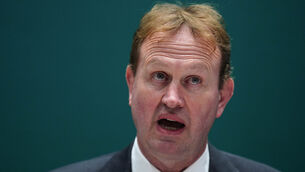
Influencers will be curbed under Michael McGrath's new EU Digital Fairness Act
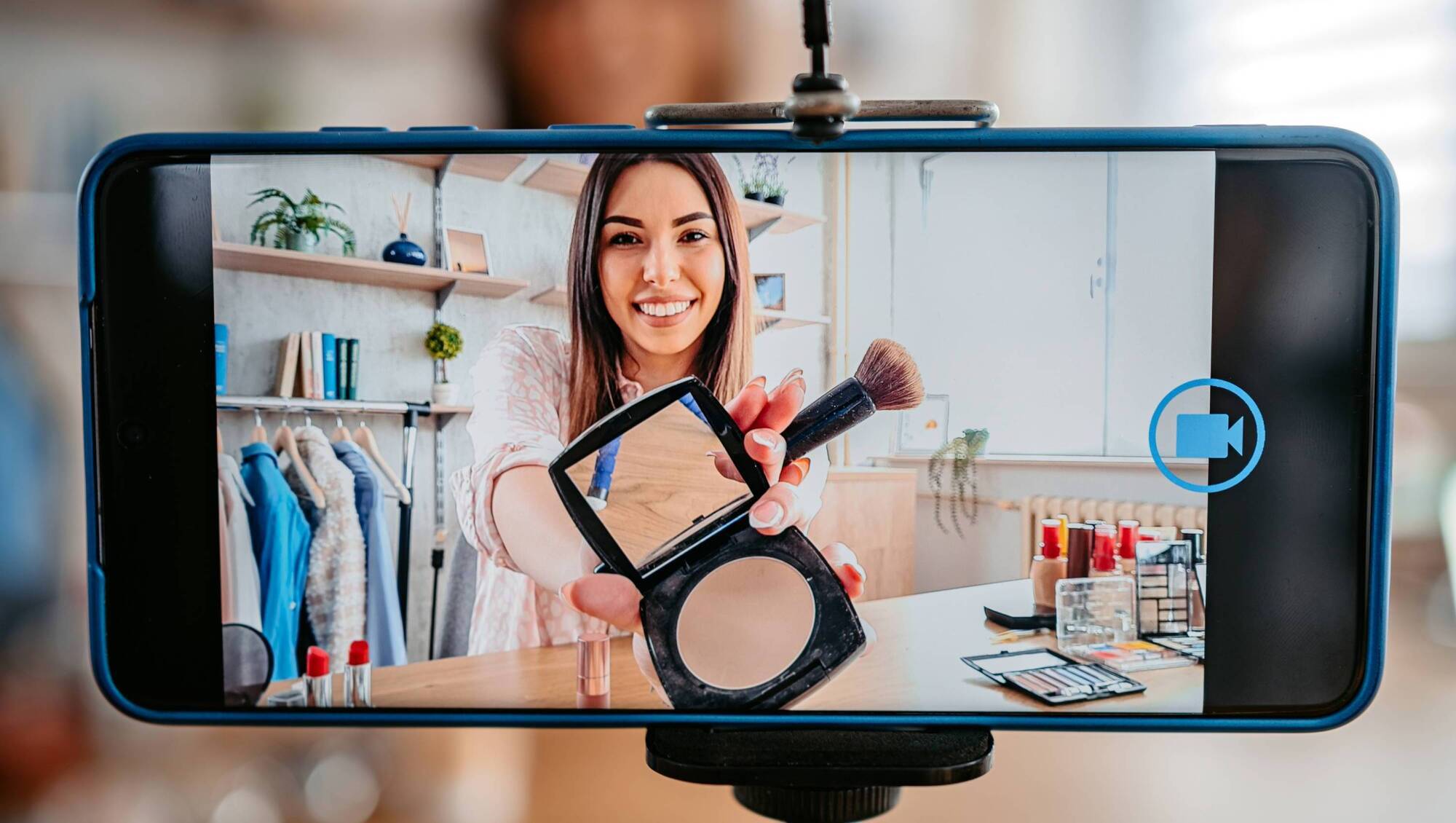
As well as misleading promotions by influencers, the new EU Digital Fairness Act will address issues such as automatic renewals, transitions from free trials to paid subscriptions, and addictive design. Picture: iStock
Ireland’s EU Commissioner is to introduce new regulations to ban influencers from misleading people over advertising, as new laws are set to restrict products they can promote.
Michael McGrath, the EU’s democracy, justice, the rule of law and consumer protection commissioner, is preparing a new EU Digital Fairness Act, which is expected to provide additional consumer protections for those using online services.
It is understood that such products and services being promoted by influencers that are likely to face restriction include plastic surgery, gambling, and risky financial products.
Speaking to reporters in Strasbourg, Mr McGrath said he expected the new laws to be adopted by the European Parliament in the last three months of the year.
He said the new laws aim to tackle “dark patterns” by companies which seek to influence people by misleading or pressuring them into buying, while also dealing with addictive design.
Read More
It also includes provisions to tackle influencers who use misleading marketing and who don’t declare their sponsored content.
Mr McGrath said he wanted to see a harmonised approach across the EU, citing legislation which has already been introduced in Ireland.
“We do believe that this is an area that requires strengthening. I think the least the consumers deserve is to know that there is an underlying transaction at play.”
Mr McGrath added that the Commission is looking at the content being promoted by influencers.
“Particularly for children where there are inappropriate products or services being marketed or promoted, that are clearly being targeted at kids when they really shouldn’t be,” he said.
The plan also includes measures to bar targeted advertising for minors.
“The DFA [Digital Fairness Act] will also tackle contractual problems, such as difficult contact cancellations, automatic renewals, and transitions from free trials to paid subscriptions,” Mr McGrath said.
“Whether it is influencers making a living from paid endorsements without disclosing their commercial interest or ticketing platforms hiking prices from the start to the end of an online queue, we're working to ensure that there is also professional diligence online as offline,” Mr McGrath said.
He said that consumer decisions should be based on free choice and not “misrepresentation and manipulation”.
There are also several measures surrounding child protection in the act, such as automatically turning off addictive design features by default for minors alongside placing restrictions on gambling mechanics in video games.
Mr McGrath cited an expert report on child safety due to be delivered to European Commission president Ursula von der Leyen, and that the Commission would decide on further measures afterwards.
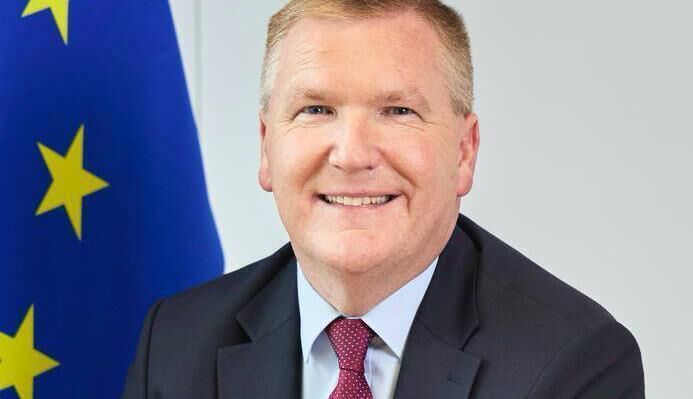
He said the Commission has a “lot of work to do” on the matter, citing recent Eurobarometer research which found almost one in three teenagers felt stressed, sad or socially excluded due to social media.
“I think we have to recognise that harms are being imposed on young people online every day, and we need to respond and make sure that we protect them in an online environment that is constantly evolving and changing,” Mr McGrath said.
Mr McGrath had previously suggested any possible restrictions on social media for under-16s could be done on a graduated basis, where different measures are put in place for different age cohorts.
Taoiseach Micheál Martin had said that there is momentum building within the EU towards a ban on social media for children.
- Tadgh McNally, Political Reporter


CONNECT WITH US TODAY



Be the first to know the latest news and updates