ieExplains: What is at stake in public sector pay deal?
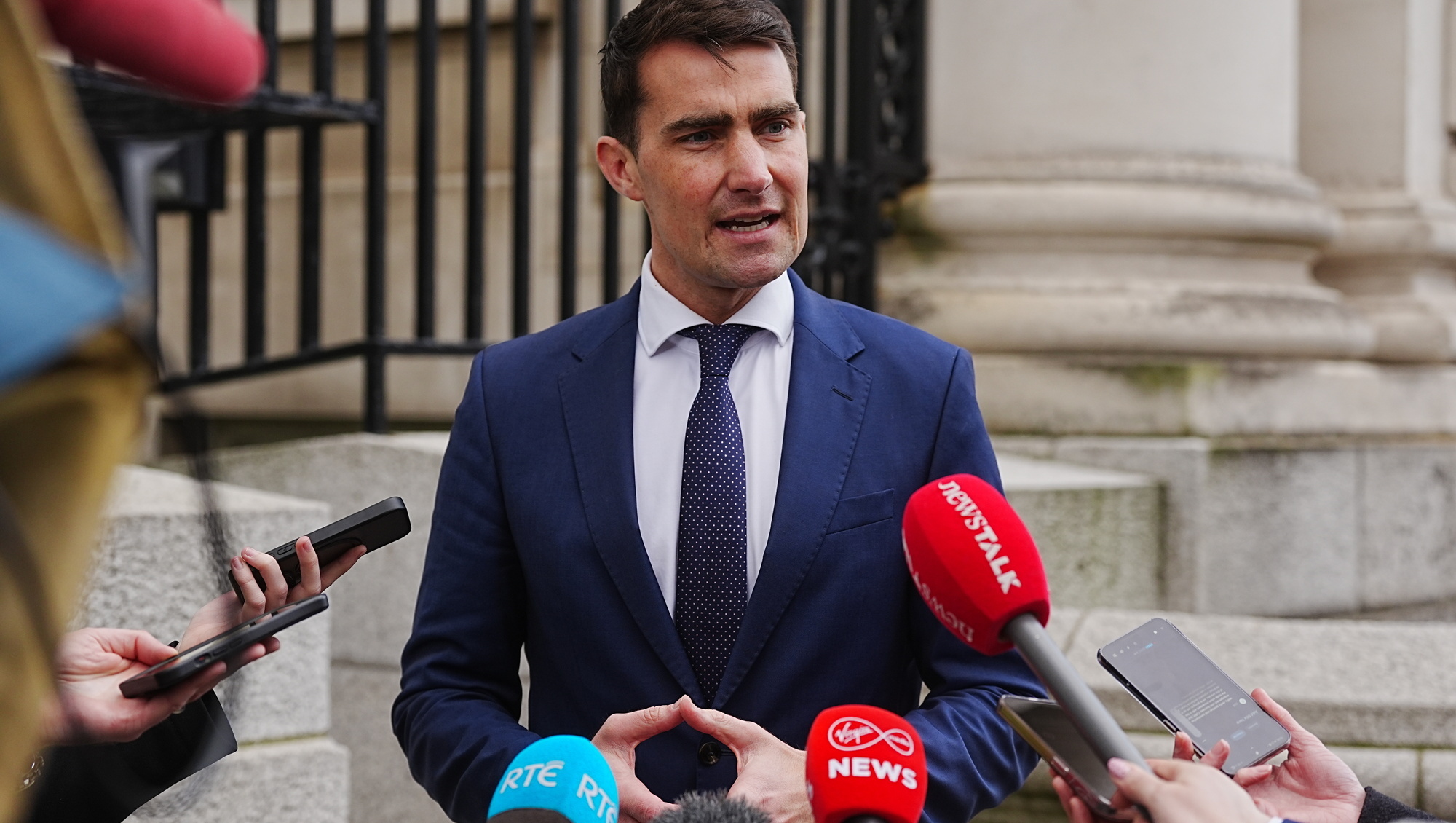
Public Expenditure minister Jack Chambers said public sector pay deal could not be done 'at any cost'.
There has been much discussion in recent days around public sector pay. With no agreement in place going forward, unions and the Government have been put on something of a collision court. But what is at stake and who is saying what?
Public pay deals cover more than 400,000 public service workers and have a lengthy history, having been born out of wage rounds, national wage agreements, and social partnerships.
A number of such agreements have been reached in recent years.
It lapsed, having run from January 1, 2024, to June 30, 2026.
Worth an estimated €3.6bn, it provided public servants with pay increases totalling 10.25% over the lifetime of the agreement. The increases were paid in a series of instalments between January 2024 and June 2026, with lower-paid workers benefiting from minimum cash increases in a number of rounds.
The deal included pay rises of 3.25% in 2024, 3% in 2025, and 2% in 2026, alongside several fixed-sum increases designed to deliver proportionately larger gains for lower-paid staff.
The agreement also provided for a local bargaining process, allowing employers and public service unions to negotiate issues arising from changes to work practices, organisational structures, and other employment conditions.
Unions said last month there was “no basis” for public sector pay talks and suggested they would ballot for industrial action.
On Friday, the Public Services Committee (PSC) of the Irish Congress of Trade Unions (Ictu) confirmed its 19 affiliated unions would convene their national executive bodies to prepare for potential industrial action ballots, following "the failure to establish a basis for talks on a new public service pay agreement".
The current deal lapsed last week.
Siptu general secretary John King said "the cost-of-living crisis and rising inflation have completely eroded the value of pay increases paid to public servants under the previous agreements and Siptu members in the public service are determined that they should not pay the price for the Government's delay".
"Our members deliver essential services every day. Their patience is now being tested."
On expiry of the deal, public expenditure minister Jack Chambers, who is leading the Government's response to the deal, wrote an opinion piece for the in which he said numbers both in terms of headcount and expenditure in the civil service were rising.
He wrote that since 2020, the public service pay bill has increased by €12bn, reaching €34bn in 2026 — an increase of 55%. He said employee numbers had already exceeded 420,000 this year, an increase of more than 70,000 since 2020.
Mr Chambers also laid out the Government's line on July 1 — that this deal cannot be done at any cost.
“We won't be agreeing a public sector pay agreement at any cost. We have fiscal parameters, which matter. We've had significant growth in public sector numbers over the last five years — 70,000 additional people working in the public service.
"We have accommodated significant pay agreements, and correctly so, that people are paid and remunerated fairly, equitably, and sustainably in the context of significant economic uncertainty.
“We want to see an intensification of engagement and to come to an agreement with the public sector unions, as we have in terms of the other pay agreements.”
That position has been echoed by Tánaiste Simon Harris and other ministers.
CONNECT WITH US TODAY



Be the first to know the latest news and updates