'Graduated response' to age restrictions on social media suggested for EU-wide approach
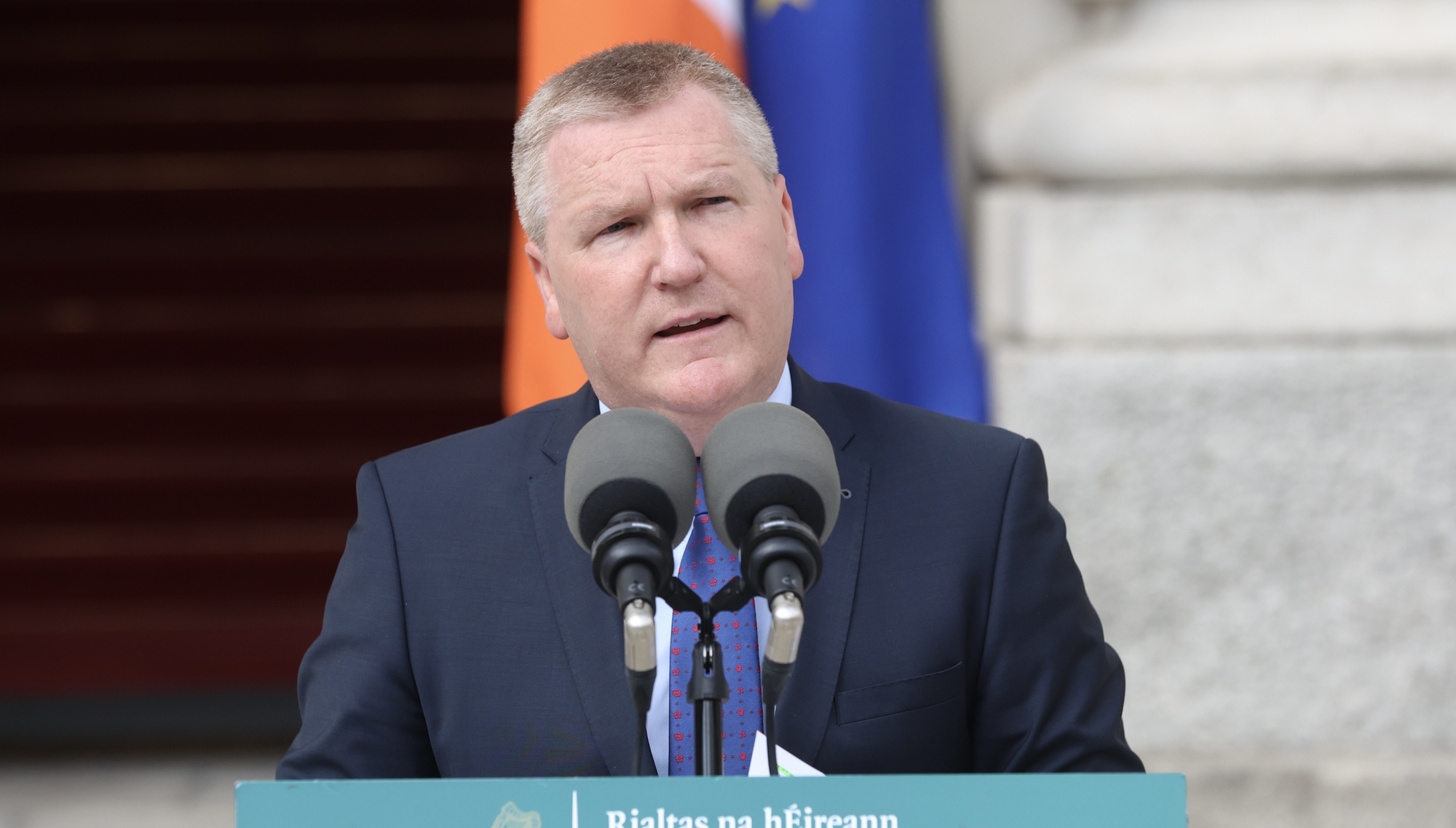
Michael McGrath said that the growth of social media is 'the single biggest change I have seen in my political life'. File Picture: Sasko Lazarov/© RollingNews.ie
Potential restrictions on social media for under-16s could involve a “graduated response”, where different measures are put in place for different age groups, EU commissioner Michael McGrath has suggested.
Speaking to the in Cork as the College of Commissioners gathered to mark the start of Ireland’s EU presidency, Ireland’s commissioner said it was clear that “harms are being done every single day to millions of young people around the world”.
European Commission president Ursula von der Leyen told a press conference last Friday that a special panel on child safety online would report on July 13.
She did not, however, respond to suggestions that she would announce a social media ban for under-16s in her "State of the Union" address in September.
Mr McGrath told the he welcomes the “very lively debate” across EU member states about age verification, with some countries announcing their own initiatives and measures.
He believes it would be “far better” to have a co-ordinated approach across the bloc, which is the commission’s “goal”.
Read More
“What exactly the answer is, is to be decided. It could well be in the form of a graduated approach, where at different age levels you have different requirements,” Mr McGrath said.
“We can look at making it easier to have parental control and oversight at a certain age. You could have certain settings turned off by default, and you can place greater obligations on the social media platforms for minors within a certain age band.
“Then you could accompany that with a ban below a certain age. We're considering it in the round but, until we get the report, no final decisions will be made.”
Mr McGrath is currently progressing the Digital Fairness Act (DFA) through the European Commission, with proposals expected to be tabled by the end of the year.
Part of the legislation will look at “addictive design and attention-maximising features”. This includes “infinite scroll” and “reward loops and ‘daily streaks’ that penalise taking a break”.
“Streaks” are a common feature on some social media apps, including Snapchat, which highlights how many days in a row users send messages back and forth.
When asked if he believed this could be a way to deter children from social media if a bloc-wide ban was not introduced, Mr McGrath said restrictions may fall under the act or require standalone legislation.
He added: “Children are inherently more vulnerable than adults, and where they are being targeted based on their profiling with advertisements, including of products that really shouldn't be directed at them, that is an issue we will address.”
Women for Election published a report last week stating that 96% of female parliamentarians have experienced online violence. Some 88% experienced psychological violence, including sexist remarks, harassment, and threats.
Mr McGrath said that the growth of social media is “the single biggest change I have seen in my political life”.
“This is a concern throughout Europe that people will be deterred from entering public life because of harassment and abuse,” he said.
“I think that is particularly the case for women and people from minority backgrounds as well, and LGBTQ+ persons.
“That is a genuine concern because if that chilling effect results in our democracy being even less representative, then our democracy will become even poorer and less effective.”
- Louise Burne is the Political Correspondent with the
CONNECT WITH US TODAY



Be the first to know the latest news and updates