20% of Cork City Council's social housing budget spent on for-profit entities
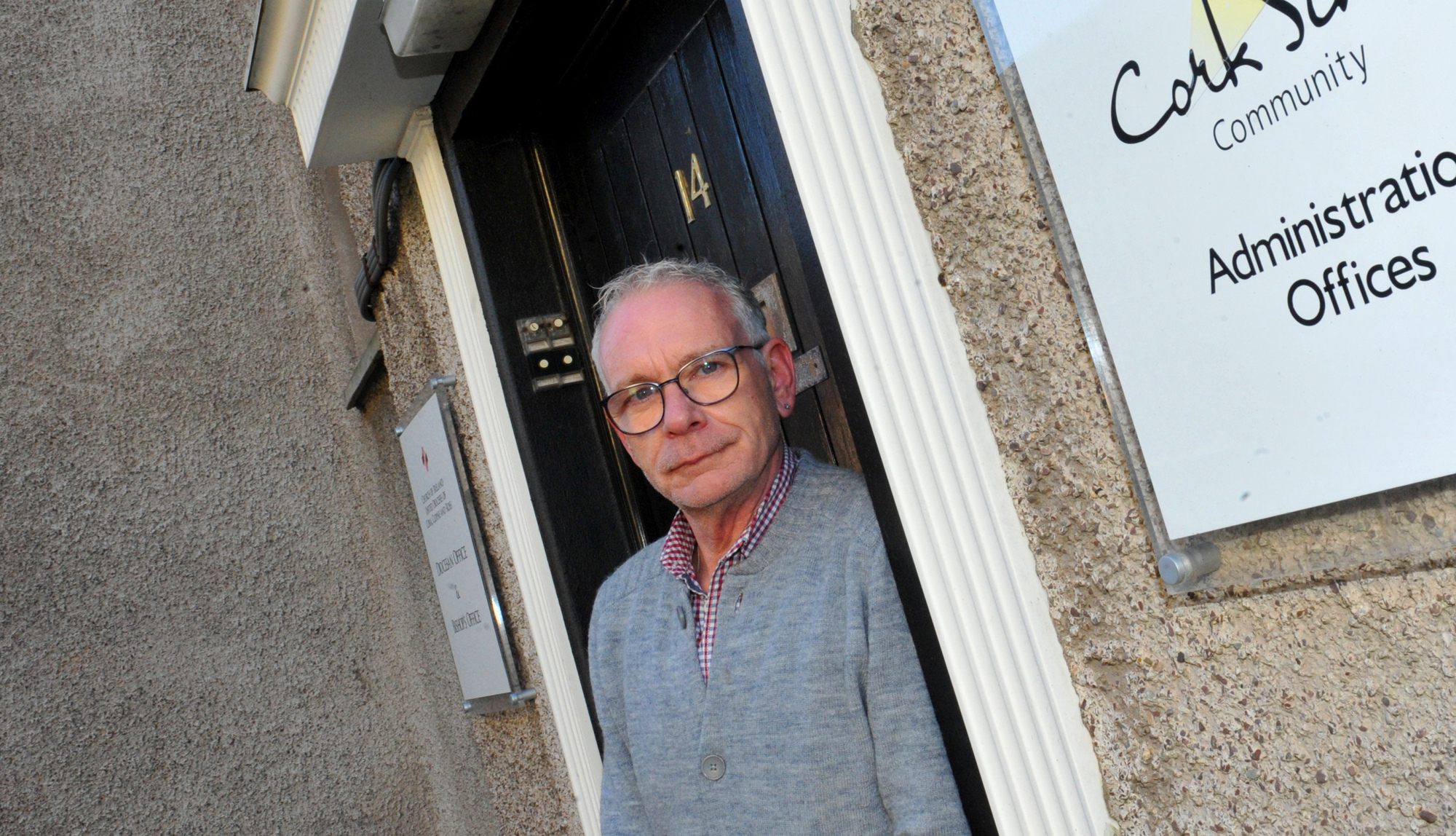
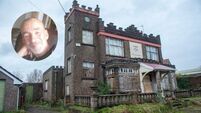
Cork Simon Community head of communications and campaigns Paul Sheehan said: “It's a local authority using the private rented sector to fill the gap in the shortage of supply in their own social housing stock. Picture: Larry Cummins
Almost 20% of Cork City Council’s dedicated spend for social housing went to commercial, for-profit entities including investment vehicles, mortgage-to-rent firms, and a holding account based in Luxembourg.
The figures, released to the under the Freedom of Information Act, show the council used around €8.9m of its €48m spend for Social Housing Current Expenditure Programme (SHCEP) on commercial operators. SHCEP is used for a litany of housing supports, primarily leasing schemes.
Cork South Central Sinn Féin TD Donnchadh Ó Laoghaire said the housing crisis was being exacerbated by local authorities' inability to build publicly-owned homes.
“While I recognise that councils have to explore all options, it is a massive concern that there is a much larger reliance on for-profit organisations for leasing of council homes than we would have imagined,” he said.
“Relying on for-profit organisations and different funds of this kind to me seems like a very unstable foundation to be building on, and doesn't represent value for money for the taxpayer.”
Over €3.8m of the council’s spend went to a collective asset-management vehicle named The Platform. The investment vehicle is managed by IQ-EQ investor services, the owners of Irish wealth management firm Davy.
Read More
Transactions to The Platform went through different sub-funds, such as the ‘ISH New Build Fund’ (€3.55m) and the ‘Irish Social Housing Fund I’ (€207,000).
ELIF Propco 1 SARL, an entity registered as a limited liability company in Luxembourg, received €272,000 from the council.
Cork Simon Community head of communications and campaigns Paul Sheehan said: “It's a local authority using the private rented sector to fill the gap in the shortage of supply in their own social housing stock.
“This is why we're in this mess, because housing is now commodified."
Home for Life Ltd received €1.18m from the council. The company operates in the mortgage-to-rent area, buying the homes of distressed property owners in serious arrears and providing long-term leases to the local authority, who then accommodate the original property owners as social housing tenants.
The mortgage-to-rent scheme was first established in 2012 as an exclusively public-owned scheme, but was altered five years later to involve private companies.
Mr Sheehan said the investors are reflective of a for-profit culture and are not just exclusive to Cork, but rather a byproduct of State policy.
A spokesperson for Cork City Council said any social housing provider the authority deals with operates under strict standardised protocols and checks.
“Cork City Council has ensured value for money, with strong due diligence and oversight using comparative rents, to ensure the appropriate rent levels are paid to any companies we are in lease agreements with,” the spokesperson said.
Home for Life Ltd netted a €4.62m profit in 2024, and recently acquired a 145-unit property portfolio that's currently leased to local authorities for social housing. The firm acquired the portfolio from Goldman Sachs Alternatives in June.
Other firms that earned money from the council include First Step Homes Ltd, which is owned by London-based Trinity Investment Management. The firm develops accommodation specifically to rent to local authorities for social housing leases and received €1.03m in 2025.
Rediresi Ltd and Irish Homes Ltd, two company which operates similar model to First Step Homes, earned €443k and €128k from the council.
Under the Government's 2021’s Housing for All Plan, commitments were made to phase out long-term social housing lease schemes.
Other payments made by the council to commercial operators were split between smaller-scale mortgage-to-rent firms and social housing lease firms as well as individual landlords and pension funds.
A Focus Ireland spokesperson said the spend was reflective of a broader national increase in the reliance on private operations to plug gaps in Ireland’s homeless services.
“In the South West, private emergency accommodation now accounts for over three quarters of all emergency accommodation beds,” the spokesperson said.
“This is not a trend unique to Cork or the South West, but reflects a broader national increase in reliance on privately operated emergency accommodation as homelessness has continued to rise,” they said.
In Cork, there were 819 adults accessing emergency accommodation in the last week of May.

CONNECT WITH US TODAY



Be the first to know the latest news and updates