Cork City Council to discuss 7% rates rise and increase in income from social housing rents
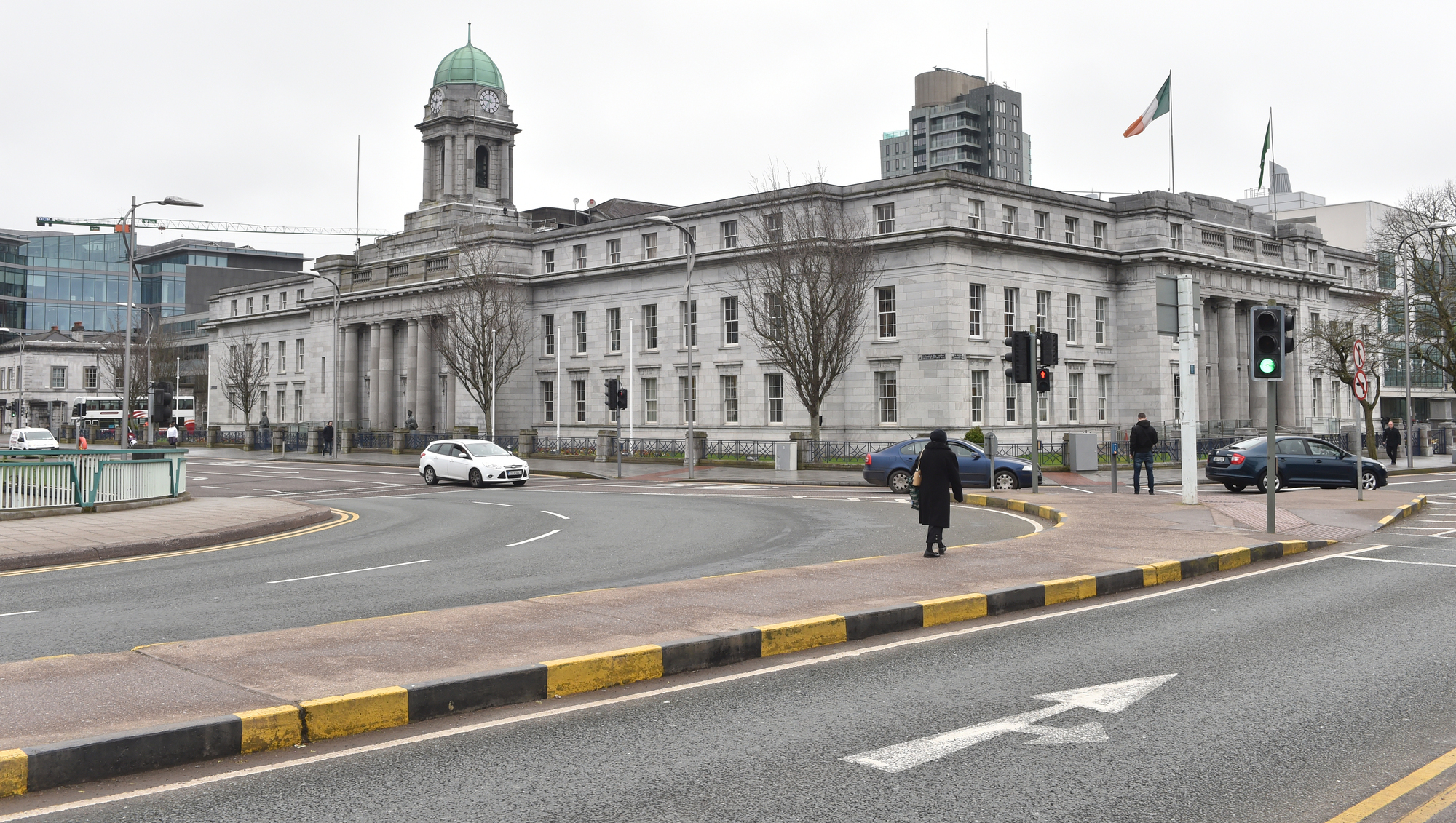
It comes as the council recently voted to increase local property tax to 15% higher than the basic rate set by government, though councillors shot down the rise to 20% proposed by the executive. Picture: Dan Linehan
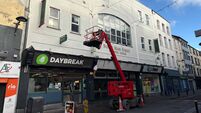
Cork City councillors are reportedly considering a 7% increase in the annual rates paid by city centre businesses.
Fianna Fáil councillor Seán Martin, the chair of the council’s finance committee, said discussions are still ongoing about the budget, with the finance committee to meet in the coming weeks.
Commercial rates rose 5% last year. Council chief executive Valerie O’Sullivan said at the time that prior to that increase, since 2009, the city council had only increased commercial rates by a cumulative 5%.
A proposed 2.5% rates increase for the previous year’s budget was shot down by councillors. The now mooted 7% increase is due to come before a special meeting of council next month.
Mr Martin said councillors are considering asking that some of the additional income generated by a business tax increase be set aside to host Fleadh Cheoil na hÉireann.
The city council has contemplated applying to host the event since it was proposed by Fine Gael’s Shane O’Callaghan and Mr Martin last year, but council management said recently that the cost was a “significant constraint”.
Read More
High costs, including a €550,000 advance levy to Comhaltas Ceoltóirí Éireann, would be incurred by the council, with the economic benefit the festival brings being realised by local businesses, meaning the council could not recoup the costs.
Mr Martin said the council is looking at a “cost-benefit analysis” on the festival as part of budget negotiations.
In the 2026 budget approved last year, the council reintroduced a rates incentive scheme, with a 4% rebate for ratepayers with annual rates of up to €4,000 and 2% for those between €4,001 and €10,000, in order to protect smaller businesses from rising costs.
Mr Martin said the council is looking to increase this rebate at both bands, and that it is not planning further rate increases next year.
Councillors are also looking at ways to increase the income from social housing rents, such as removing or increasing a cap on how much extra rent the council can charge for subsidiary earners in the household, such as a son or daughter.
“At the end of the day, we haven’t touched rental income for years,” Mr Martin said.
The average weekly council rent is €80.56 currently, and Cork City Council operates a differential rents scheme, meaning rent payable is calculated on the household income.
Mr Martin added that any increases will still be “based on income, so it can’t go through the roof,” and that vulnerable tenants such as pensioners will be protected.
It comes as the council recently voted to increase local property tax to 15% higher than the basic rate set by government, though councillors shot down the rise to 20% proposed by the executive.
In Cork City Council’s 2026 budget, commercial rates made up 30.4% of income, rents 12.8%, and local property tax 6.7%.
Mr Martin explained that additional income was needed to cover items requested by councillors, including estate resurfacing, tree cutting, footpath renewal and sports and arts grants to local groups.

A collection of the latest business articles and business analysis from Cork.
CONNECT WITH US TODAY



Be the first to know the latest news and updates