Bill Kenneally and Waterford's open secret: The paedophile who ran rampant through the city
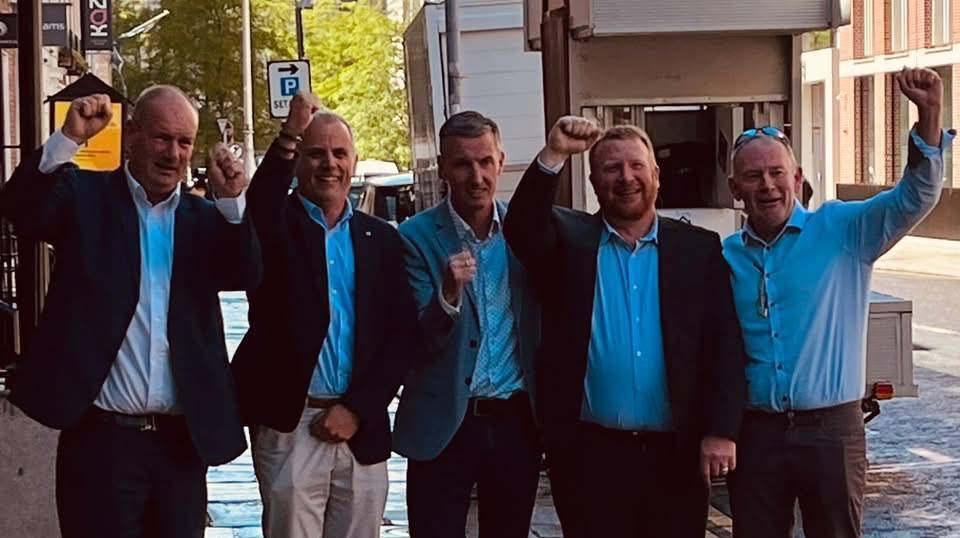
The long road to justice: the survivors of predatory paedophile Bill Kenneally in Dublin for the publication of the South East Commission of Investigation. Photo: Damien Tiernan

The 412-page document outlines how state bodies and individuals responded to the crimes committed by Bill Kenneally, a man who sexually abused boys in Waterford for decades.
Read More
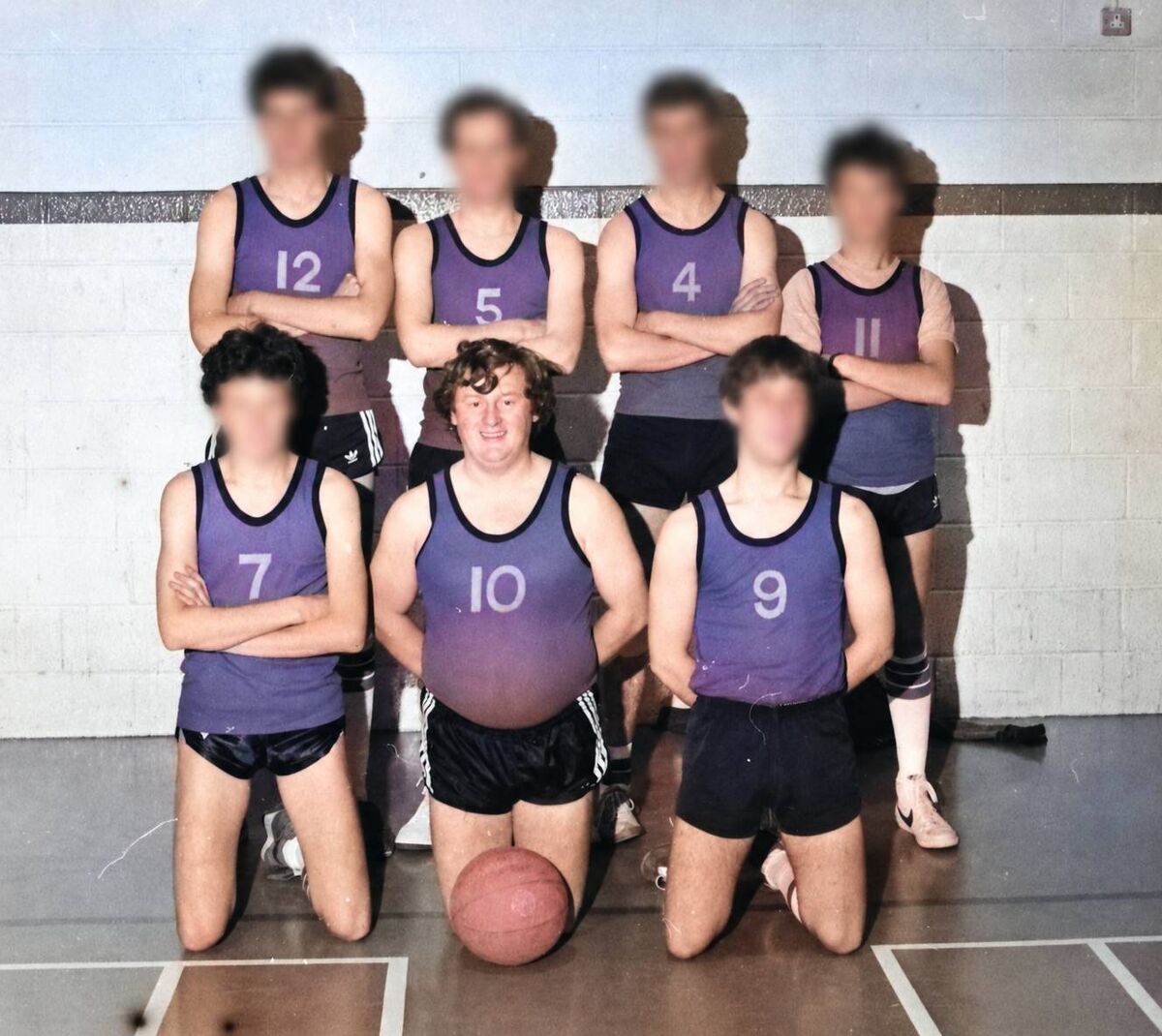
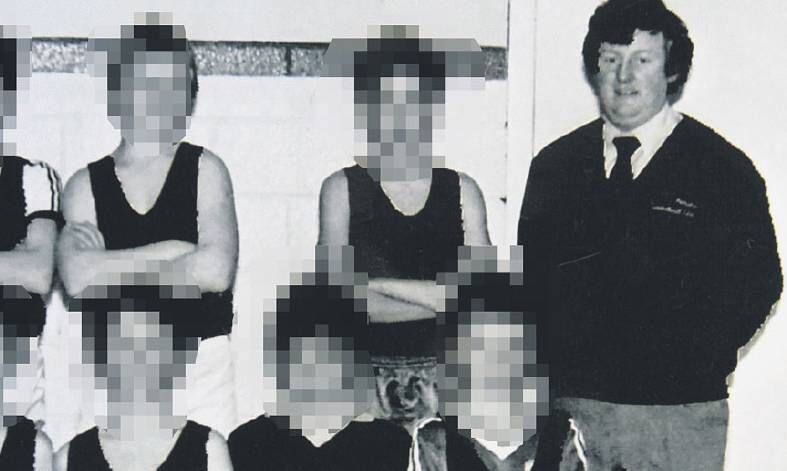
Bill Kenneally was a predatory sexual abuser operating in Waterford City and its environs. He had an intense sexual attraction to pubescent boys in early adolescence.
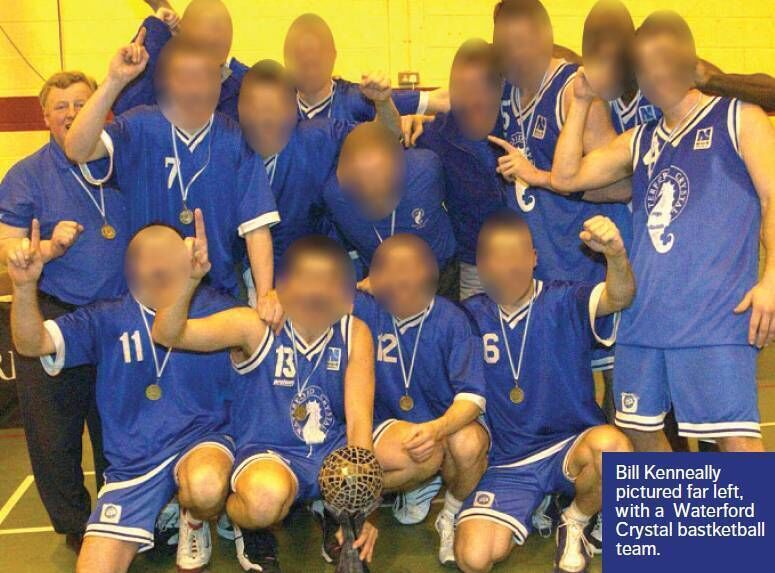
For decades, he used his position in local sports; soccer, tennis and basketball, to lure in countless victims. One victim told us he understands that over one hundred boys may have been abused by Kenneally.
In 2016, Kenneally was sentenced to 14 years and two months’ imprisonment for the indecent assault of 10 boys.
In 2023, he received an additional four years and six months for the indecent assault of five more boys, bringing his total sentence of 18 years and 8 months.
The offences to which he pleaded guilty, ranged from 1979 to 1990, however, his offending goes as far back as 1970.
Kenneally was not brought to justice prior to a formal complaint by one of his victim’s, Jason Clancy in December 2012.
Mr Clancy showed remarkable courage in being the first victim to waive anonymity. Over the next number of years, more victims would come forward to share their story with Gardaí.
Whether named or remaining unnamed, victims of Kenneally showed remarkable courage in recounting the atrocities that had been inflicted upon them in the pursuit of justice being served.
Incidents of abuse by Bill Kenneally are outlined in grave detail in the South East Commission of Investigation’s final report, the scale of which is catastrophic.

Kenneally lured boys in with offers of cash, alcohol, cigarettes, trips to takeaways and gifts that were tailored to the interests of specific victims.
Many of these boys had never consumed alcohol before being introduced to it by Bill Kenneally. Some would struggle with alcohol problems into adulthood.
He gifted victims with match programmes from English football games and American Football sports magazines, items that were very difficult to obtain in Ireland at the time.
Victims Jason Clancy and Colin Power tell a story about one particular Sunday when the boys were playing soccer together.
Jason said: “We both met Bill Kenneally through Sunday soccer. Around that time, Bill Kenneally bought me a brand-new Liverpool strip, he bought Colin a brand-new Man United strip. One Sunday, we were all on the pitch together and we noticed three other boys were also wearing brand new strips. Myself and Colin looked at each other and we knew. These boys were being abused too.”
Another victim, Kevin Keating said: “He (Bill) was able to do things. He would pick points about each individual, for Jason it was the Liverpool jersey, for me it was a Superbowl magazine. I cut out the pictures from the magazine and put them on my wall. I remember getting up in the morning seeing it and thinking it was lovely. It all seemed normal.”
Victim Paul Walsh recounts: “He would give you a few quid and you’d think you were great. Then he would give you cans. Then he got me Nike runners that no one had at that time. And then, you would owe it all back to him.
“It took me a long time to figure out that he had a system for all of this, and you were just a part of that system.”
Another form of blackmail Kenneally used was photographs.
He used a Polaroid camera which could instantly develop photos of victims in compromising positions. He retained possession of these photos as effective blackmail of the boys to preserve silence. Video tapes of boys were found in his home in as late as 2012.
Children were silenced by shame, and also their inability to articulate the horrible things happening to them, the Commission’s report states.
One victim told this newspaper that Kenneally would often assault multiple boys at once and have them perform sexual acts on each other. This created extreme embarrassment, which Kenneally hoped would prevent them from speaking out.
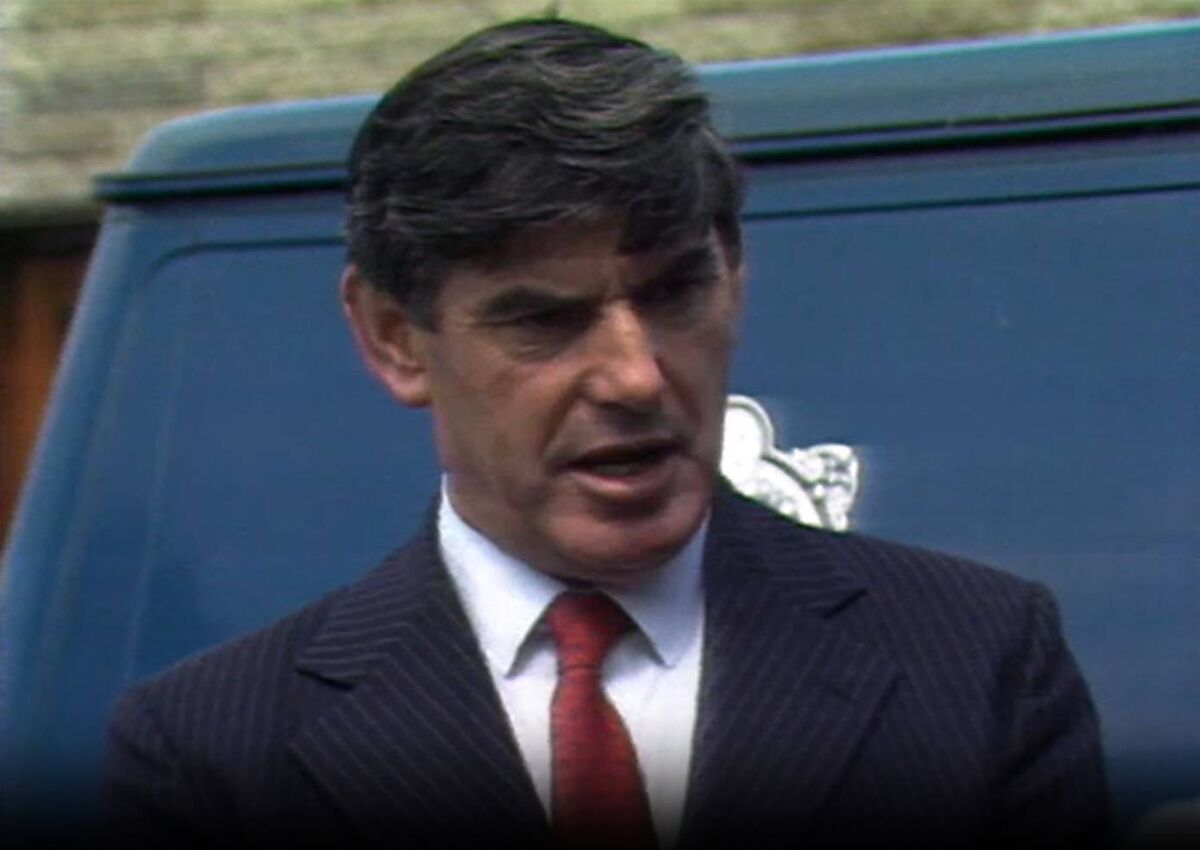
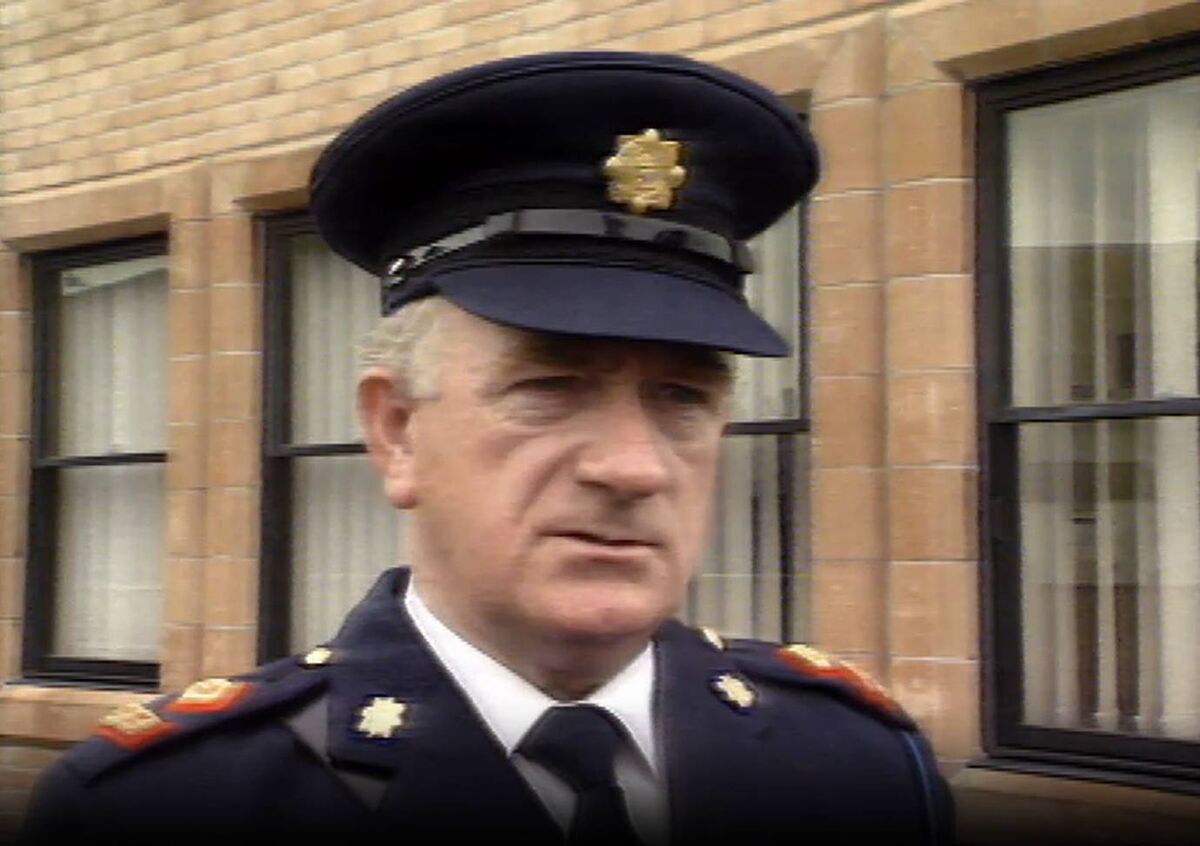
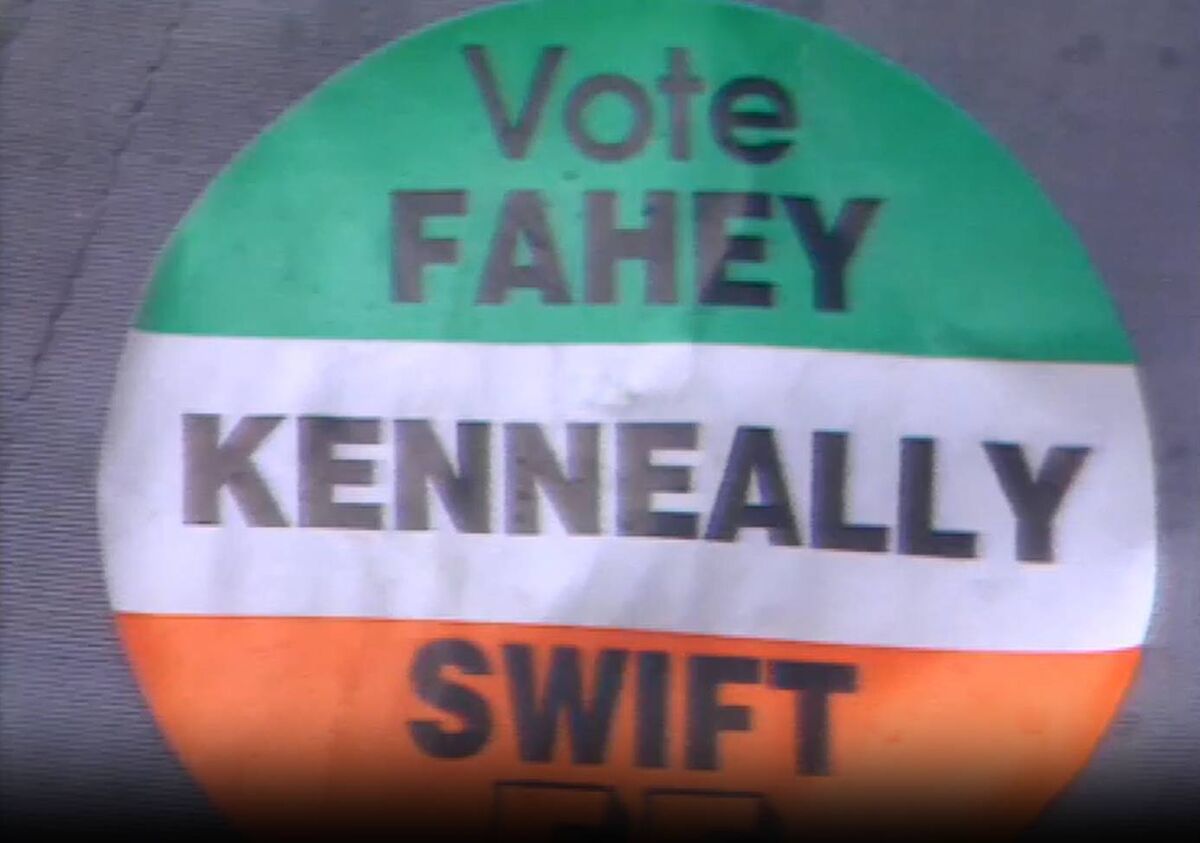
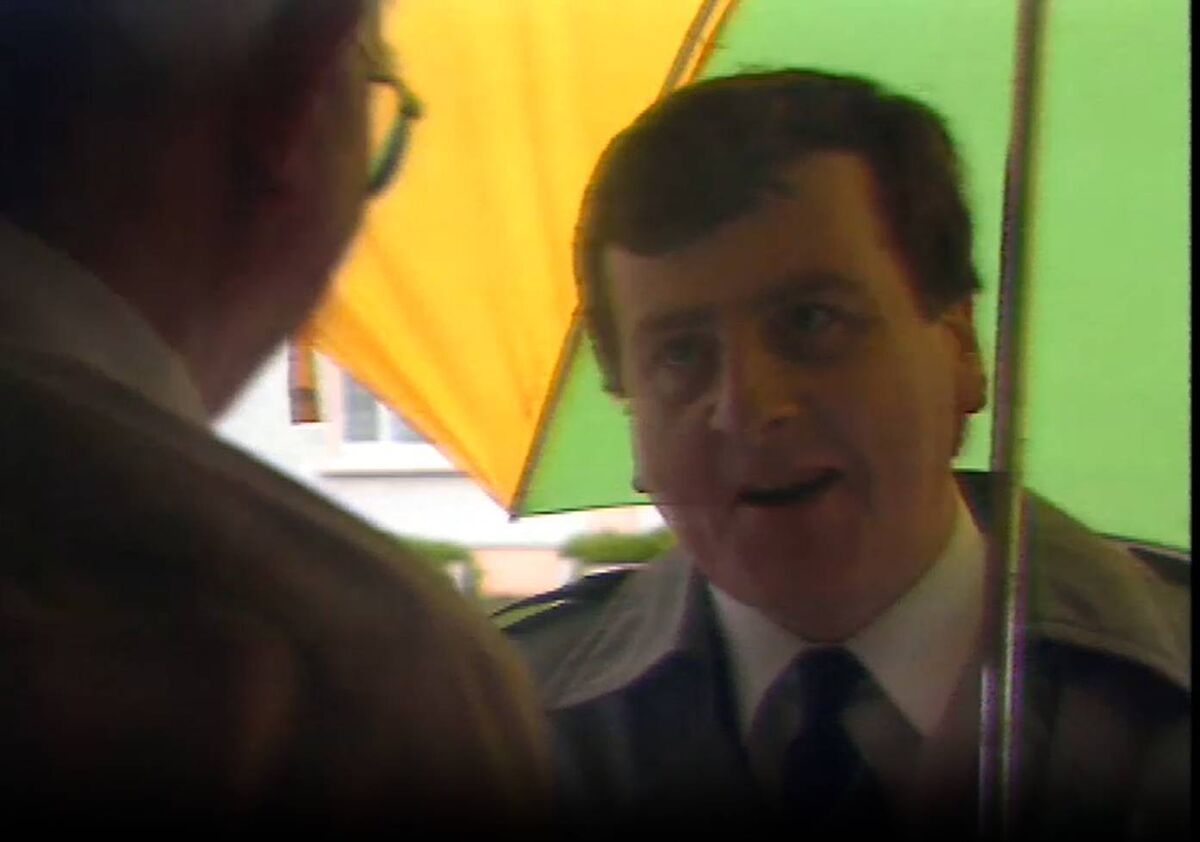
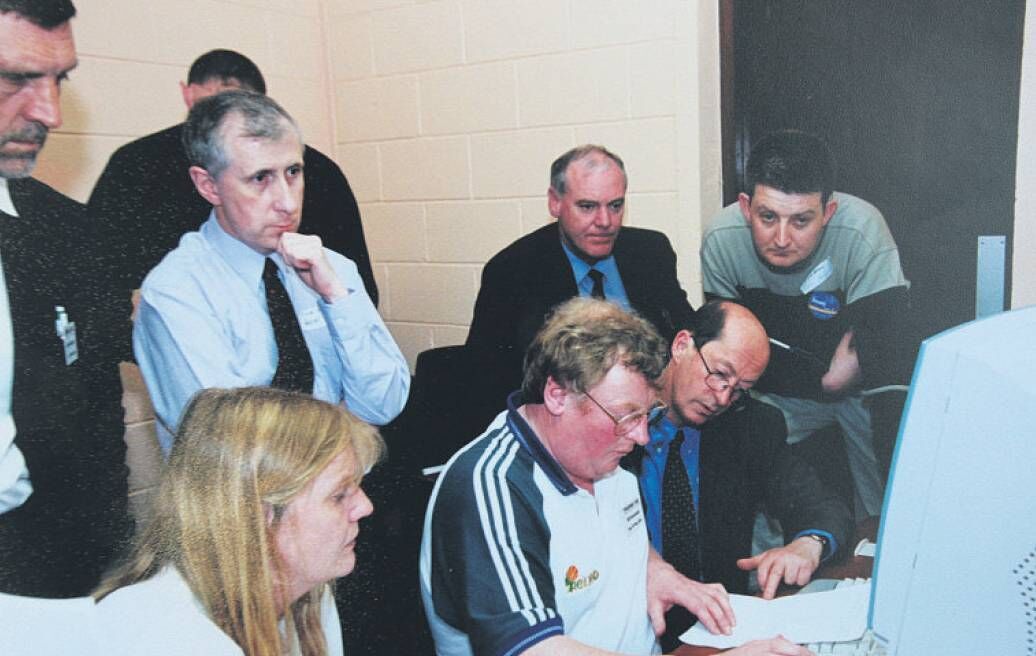
Both Billy Snr and Brendan Kenneally are heavily referenced in the Commission’s report for their lack of action, as is Bill’s other uncle, Monsignor Shine, a senior member of the Church in Waterford.
Over many years, Billy Kenneally Snr, Brendan Kenneally and Monsignor Shine all showed at the very least, a failure to bring the matter into the public domain to the extent of reporting the matter to the statutory agencies responsible for child protection.
First dealing with Billy Kenneally snr.
After being contacted by Garda Sean Cashman in 1987 about his nephew’s alleged abuse against children, Billy Kenneally Snr did not take any steps to notify either on the record or discreetly the Fianna Fáil Executive in charge of the Waterford constituency.
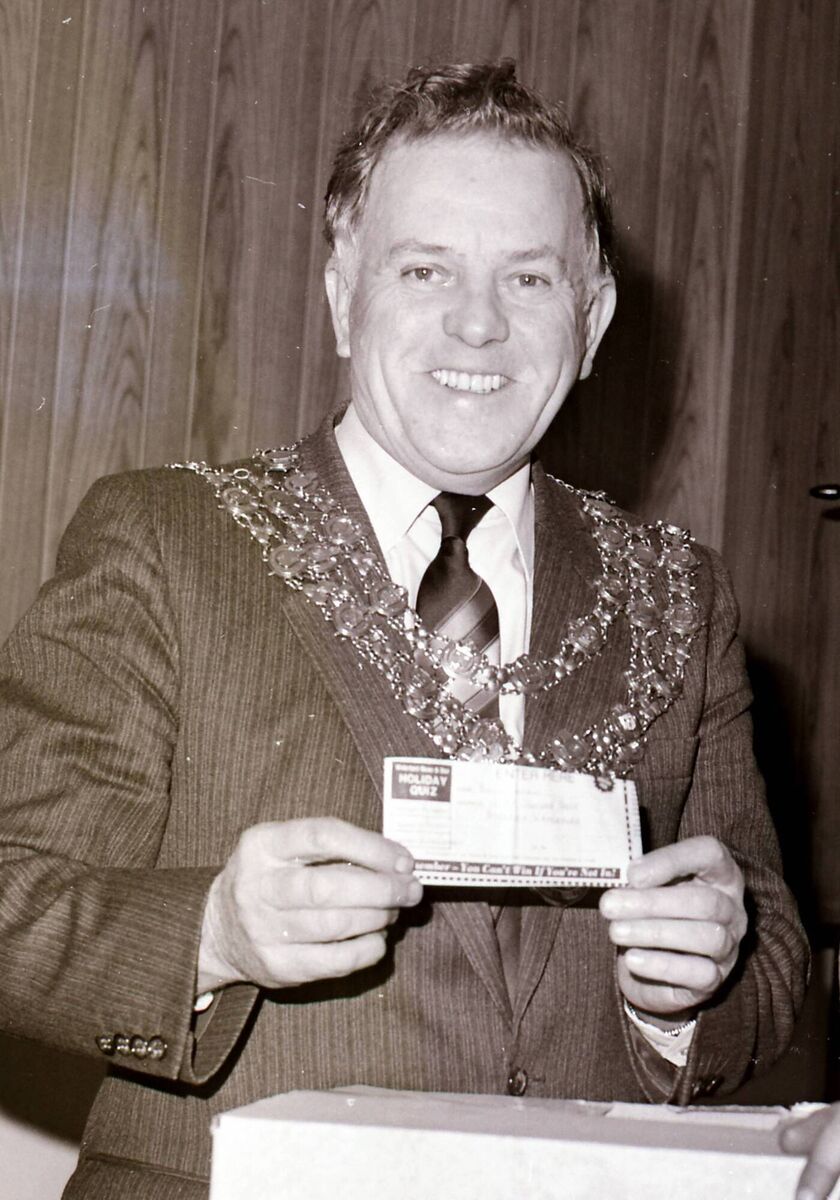
He also did not take any steps to notify either prominently or discreetly the basketball clubs Bill Kenneally was playing an active part in.
The Commission’s report also highlights that Billy Snr was not an ordinary member of the public, but an experienced former public representative.
There was information available in early 1988 about the issue if he had taken the time to research it.
Brendan Kenneally Jr, the cousin of Bill, was first elected as a TD In 1989. He previously served as Mayor of Waterford City.
The Commission in its report has set out at some length the conflict of evidence as to the alleged knowledge of Brendan Kenneally before 2001 of sexual abuse by Bill Kenneally.
The Commission’s report says that there is no direct evidence of Brendan Kenneally having knowledge of his cousin’s sexual abuse prior to 2001, for example from a victim telling him directly.
The Commission cannot definitively on the balance of probabilities establish knowledge by Brendan Kenneally of Bill Kenneally’s sexual abuse of boys prior to 2001.
However, even without knowledge of the psychiatric referral in 1987, Brendan Kenneally’s actions in 2001 at the very least fell substantially below the standards the Commission would expect from a TD of Mr Kenneally’s experience.
But what happened in 2001, to apparently bring to Brendan Kenneally’s attention for the first time the abuse being committed by his cousin?
In 2001, the partner of a former victim of Bill Kenneally wanted to report his abuse to gardaí; however, the victim’s father was against the idea, worried for his son’s welfare and the publicity.
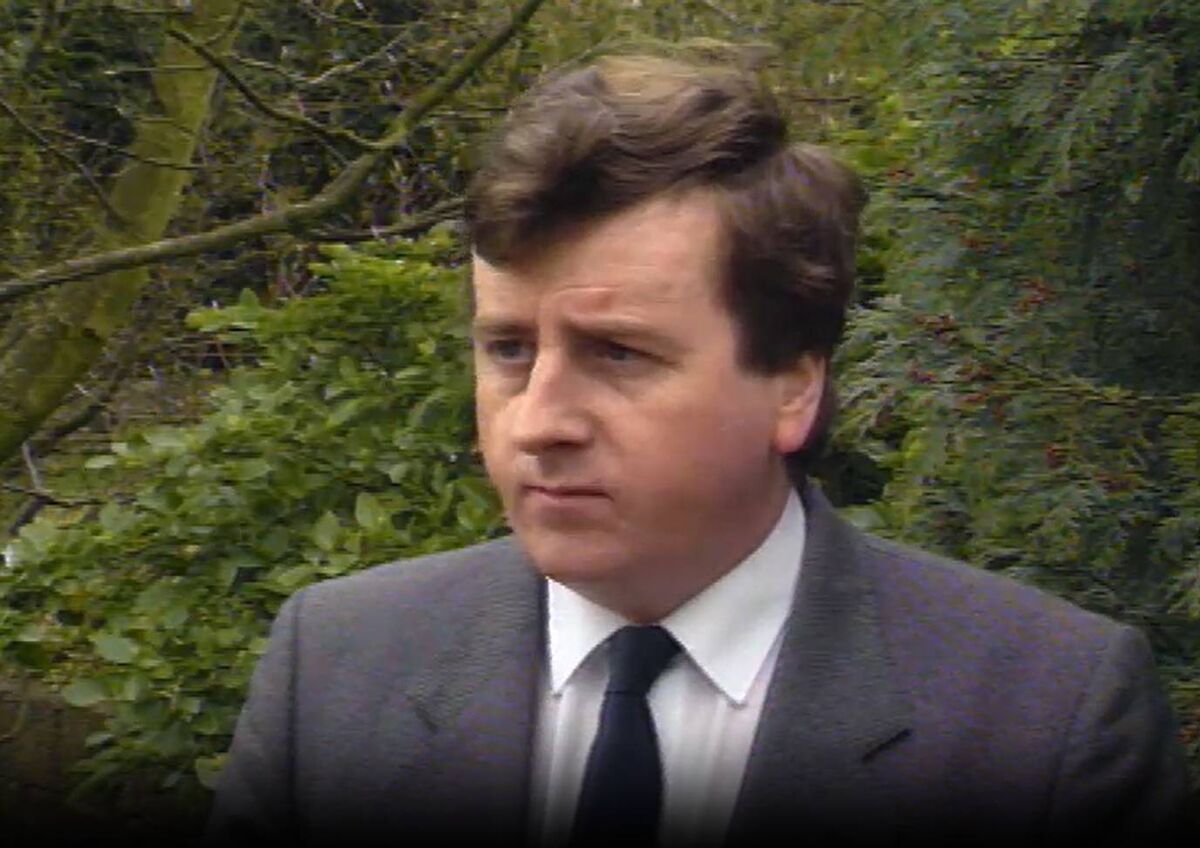
She still wanted to do something about it and decided to approach Brendan Kenneally, who was a TD at the time. She was only 23 years old and showed considerable courage in approaching him. She felt that because he was a political figure, he would have power to do something.
The Commission accepts that the victim’s wider family did not want this matter to be reported to An Garda Síochána, and thus Brendan Kenneally was entitled to respect those wishes of his constituents.
It is the Commission’s opinion, however, that to further the interests of his constituents, the family of the victim, and the public, Brendan Kenneally had one obvious option; to report this matter to the Child Protection Services of the Southeastern Health Board in Waterford and ask that service to carry out a risk assessment.
He should have spoken to Bill Kenneally and advised him to resign from Waterford Viking basketball club, and he should never have allowed him to continue to canvas and act as tallyman for him or the Fianna Fáil party.
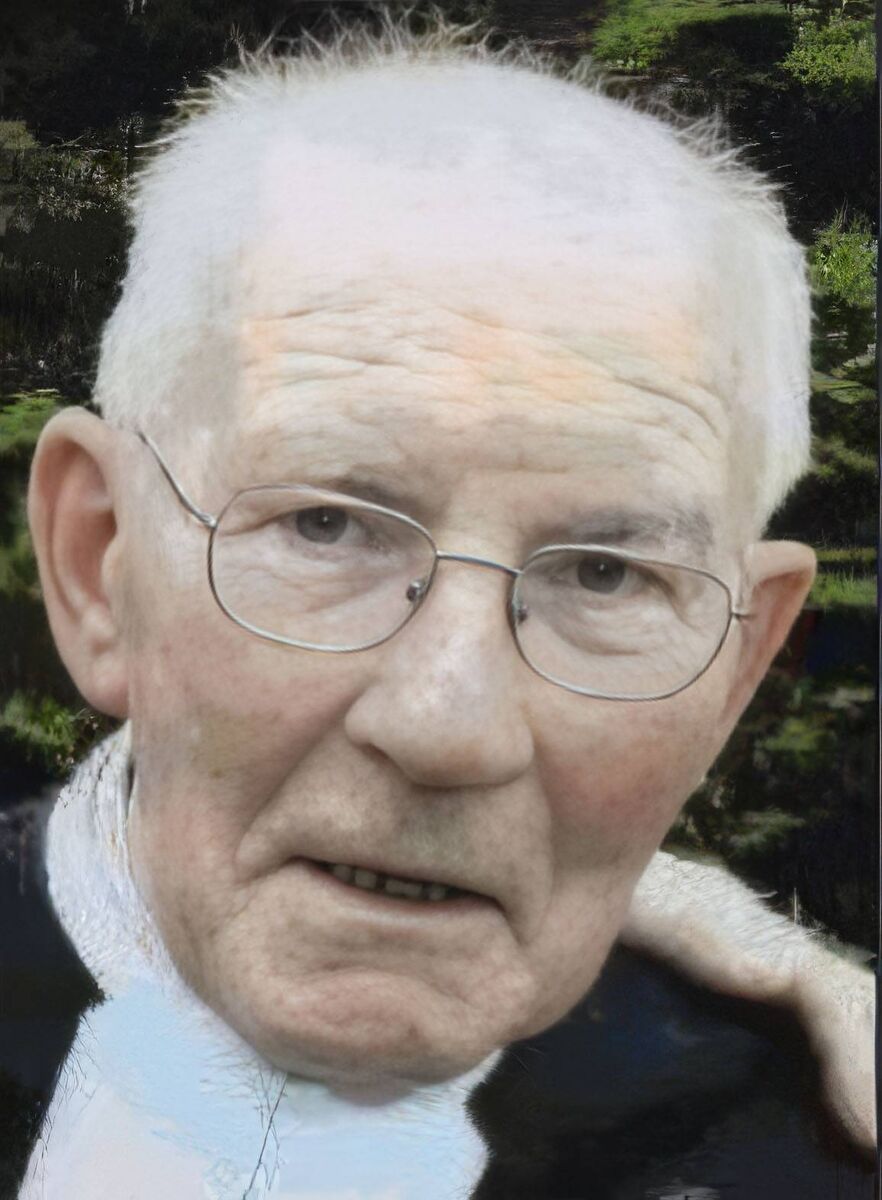
Monsignor John Shine was Bill Kenneally’s uncle. He was a senior clergyman with a distinguished career.
Monsignor John Shine, along with Billy Kenneally Snr, knew in late 1987 and early 1988 that Bill Kenneally had sexually abused at least one child, and possibly another.
Monsignor Shine failed to bring the matter into the public domain at least to the extent of reporting the matter to the statutory agencies responsible for child protection.
The Commission’s report also criticised false statements that Shine provided to gardaí in 2013.
He told gardaí that he never heard about any further allegations of assault against Bill Kenneally after 1987.
This was an untrue statement, as he had been informed in 2001 that the abuse had continued long after the psychiatric intervention in 1987.
The procurement of the Commission’s report has been a long and arduous journey for the victims.
They told the Waterford News & Star that they feel vindicated at its findings, but that the release of the report was handled poorly.
The victims were sent the finalised report less than 24 hours before it was released to the public.
They expressed regret that they had very limited time to inform family and friends, travel to Dublin to host a press conference, and grapple with the emotional weight of reading the massive 417-page document.
They felt aggrieved that they had to make considerable efforts in the past week, and yet when Taoiseach Micheal Martin appeared in the Dáil last Wednesday to discuss the report, he himself said that he had not fully read through it.
The report recommends that the Law Reform Commission should urgently consider the absence of a criminal offence of “misconduct in public office” in this country.
The victims say the outcome they hope for now is that people in positions of authority will never be allowed to be cover up abuse against children ever again.
Jason Clancy said: “The report said there was no state collusion, but there was localised state collusion, that’s very evident.”
“There will always be Bill Kenneallys out there, but if people fail to stop them, they should be open to prosecution. It’s about targeting the people in power so that they can no longer enable or cover up. That’s the best outcome we can get.”
A State Apology will happen, and a group of victims will be meeting with Ministers in Dublin this Tuesday to discuss the matter further.
They say that a State Apology will be meaningful, however, more importantly is that the findings of the report are enacted into real change.
Over the years, the victims of Bill Kenneally’s abuse, whether named or anonymous, showed extraordinary bravery and resilience.
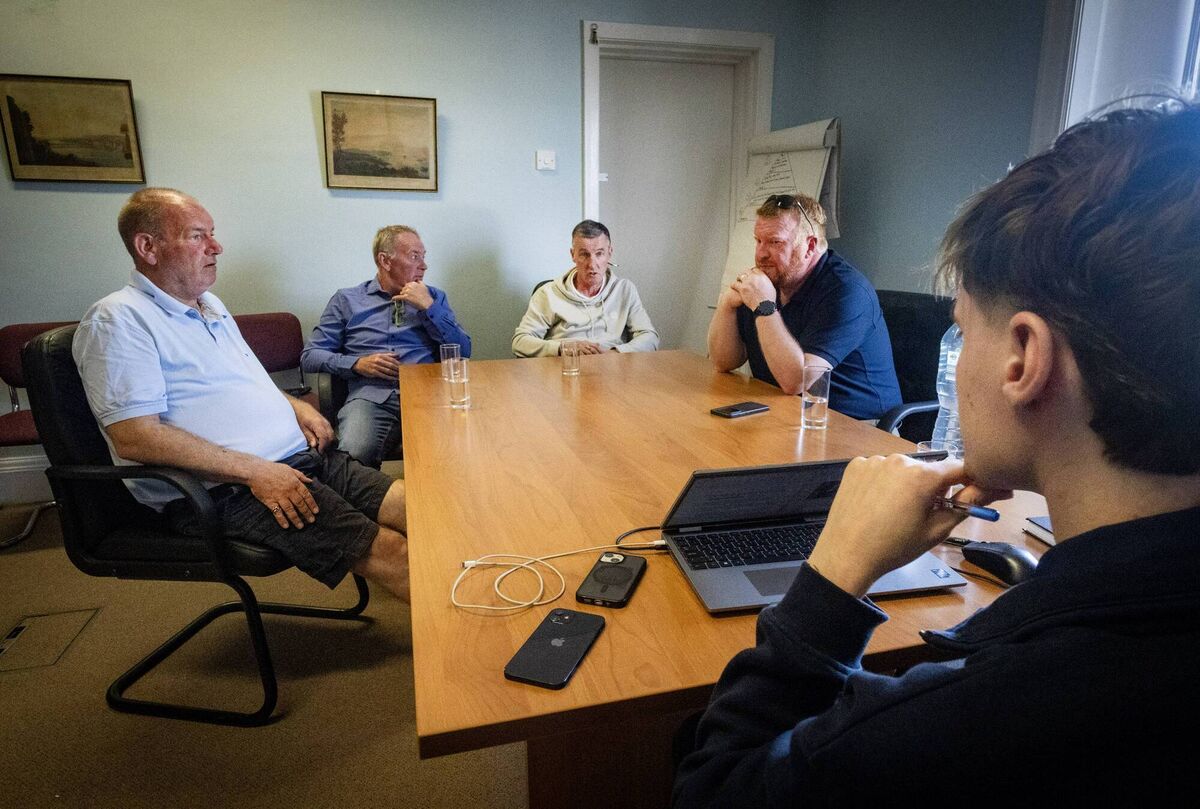
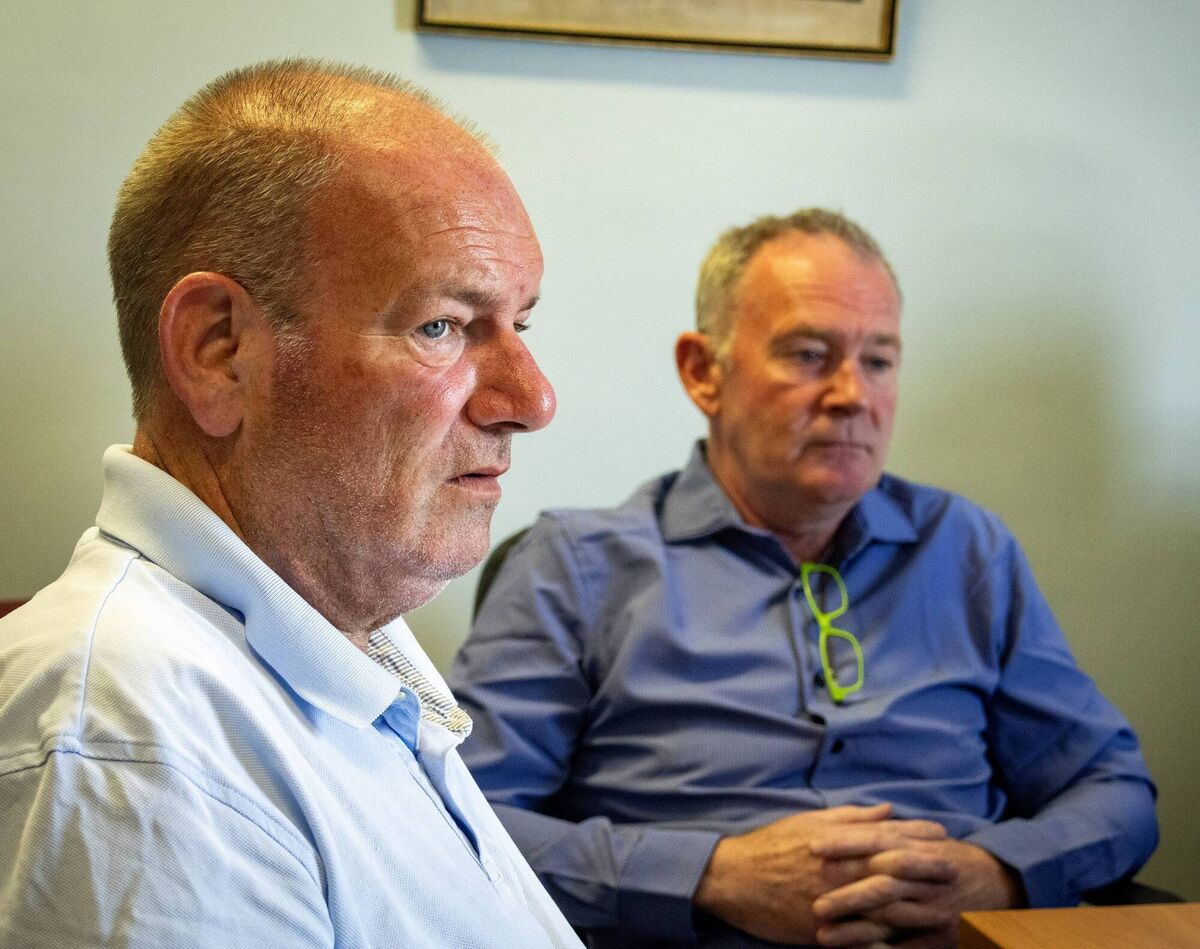
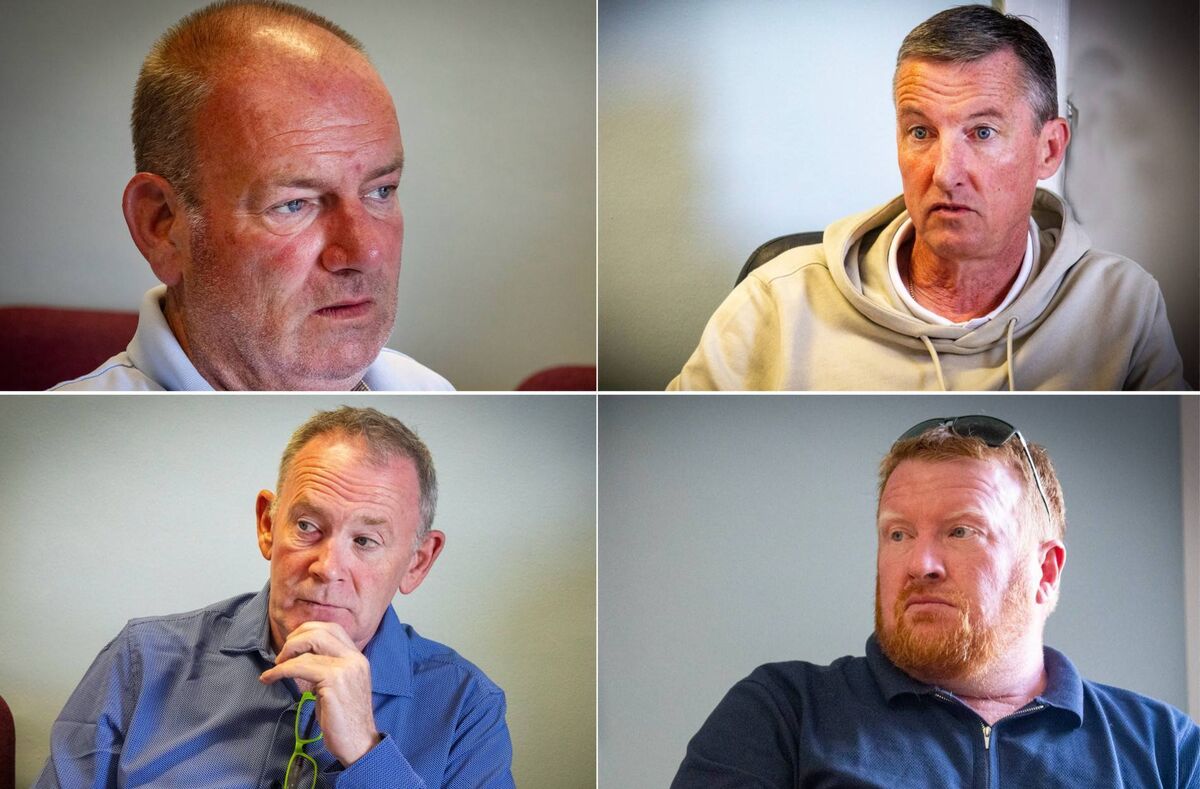
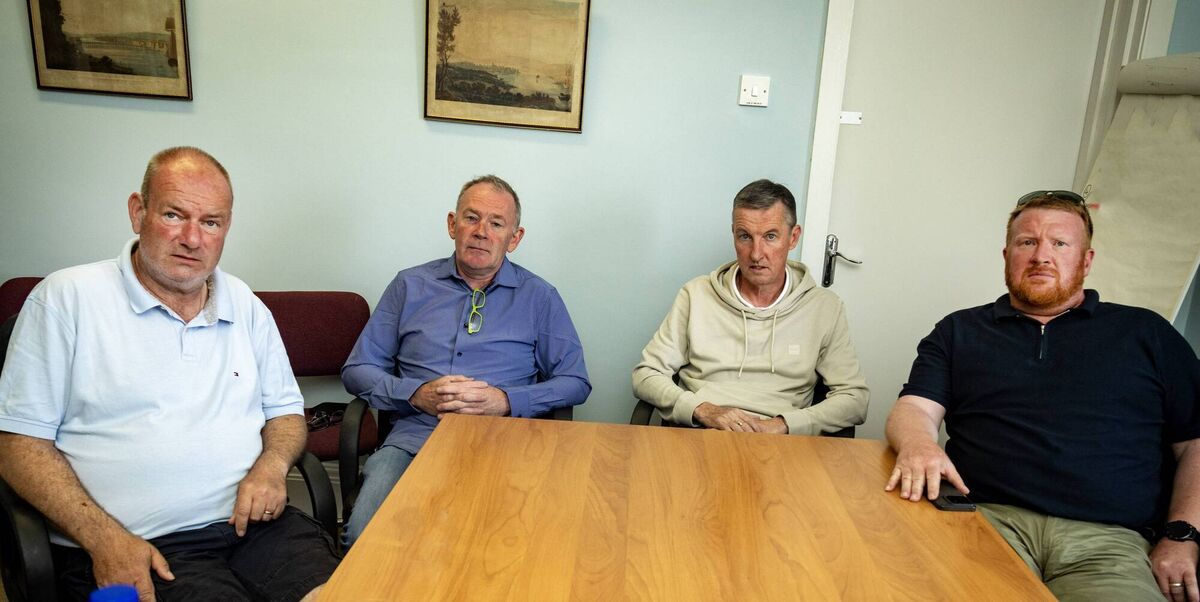
The four men we met in the offices of the Waterford News & Star last week displayed these qualities in full.
They told us, that whether it be living with the trauma of their abuse, or going through the arduous journey of pursuing justice, they could not have done it without each other.
Kevin Keating said: “I wouldn’t have got through this Commission on my own, none of us would.
“We always knew we could phone someone or talk to each other.
“There were some days I would get up and felt I couldn’t face it, but I knew if I rang one of the lads, they would be there.
“For so many years before this went public, I was living a lie, but I’m much happier now in my life. Much more confident, much more capable.”
From 2012 onwards, victims began to waive their anonymity, a necessary burden to ensure Kenneally was imprisoned and the Commission would investigate state failures around the investigation.
However, there are so many others who remain anonymous, who must also be commended for their bravery and endurance in living with the abuse they endured.
Mr. Power said: “This commission is for all the victims, and I hope it brings them comfort. It’s an achievement for every victim, because we all went through this abuse.”
Concluding our interview, Jason Clancy said:
“Bill Kenneally’s organs are shutting down, he is very sick, and I don’t get any pleasure in that. This enquiry is coming to an end now, as is his life. It’s all finishing at once.
“We have been dealing with this for years, and now all we want is the normal life. We just want the normal everyday problems that everyone else has.
“We have all had the Kenneally cloud in our homes, impacting our lives and our families’ lives, and hopefully now it will be gone.”

CONNECT WITH US TODAY



Be the first to know the latest news and updates