Bill Kenneally inquiry finds garda investigation was ‘unprofessional, rushed and inappropriate’
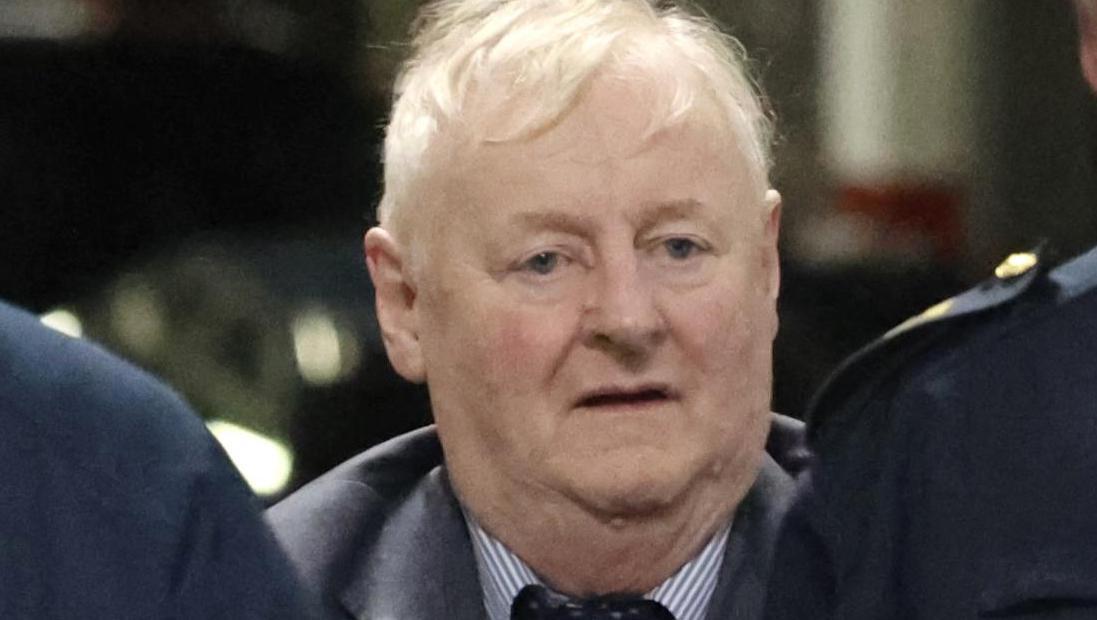
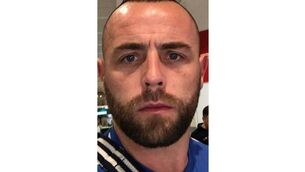
A 2024 file picture of Bill Kenneally who is currently serving a 19-year sentence for the indecent assault of 15 boys in Waterford between 1979 and 1990. File picture: Sasko Lazarov/Rolling News
A report into how gardaí handled allegations against paedophile Bill Kenneally in the 1980s has said the investigations were “unprofessional, rushed, and inappropriate”.
Bill Kenneally, a 75-year-old former basketball coach and accountant, is currently serving a 19-year sentence for the indecent assault of 15 boys in Waterford between 1979 and 1990, though the South East Commission of Investigation’s report notes that the number of victims is likely far higher.
Its final report, to be presented to Cabinet by justice minister Jim O’Callaghan on Tuesday, has been examining how State agencies dealt with allegations made against Kenneally since 2018.
The core chapter probes how gardaí in Waterford dealt with allegations from November 1987, when his behaviour was first brought to their attention by the father of one of the abused children.
After Kenneally was interviewed by two senior gardaí at that time and acknowledged his actions, he didn’t come to garda attention for a further 25 years when a formal criminal prosecution was brought against him in 2012. He had continued to abuse his victims for years after.
The chairman of the commission, retired High Court Justice Michael White, notes in the report that, notwithstanding the lack of maturity in Irish society about such sexual offending at the time, the contemporaneous actions of An Garda Síochána were deeply flawed.
Read More
Kenneally, a member of a prominent Fianna Fáil family, had, for at least a decade at that point, routinely groomed young boys via his position as a basketball coach by proffering them with alcohol and money before sexually assaulting them. The instances of abuse lasted for years at a time.
The report describes how then chief superintendent Sean Cashman and then inspector PJ Hayes interviewed Kenneally on December 30, 1987, at which time he freely admitted to the abuse he had carried out on seven boys.
It notes that “the investigation started to go badly wrong from here to the conclusion”.
“It was unprofessional, rushed, and inappropriate,” it states.
It describes as “unusual” the decision by Mr Cashman to, in advance of informally interviewing Kenneally, contact his uncle, Billy Kenneally, a former Fianna Fáil TD.
“There was no need to do that, nor was any thought given to the implications,” the report states.
It notes that both Billy Kenneally and his brother, Monsignor John Shine, were “prominent public figures in Waterford”, and that “a scandal involving their nephew being made public was not an attractive prospect to them”, adding that the pair’s subsequent behaviour “demonstrated that they were not frank in dealing with these issues”.
The report says Mr Cashman was “naive at the very least” about Billy Kenneally and Monsignor Shine’s motives. It concludes that Mr Cashman “risked compromising the investigation before it started” given that Kenneally could have destroyed evidence.
The report also says Mr Hayes should have excused himself from any dealings given he had a blatant conflict of interest, as he was close friends with the monsignor and knew the family.
It concludes that, contrary to Mr Cashman’s belief that the likely success of an investigation was low, given the victims would not give sworn statements, he nevertheless was in a position to arrest Kenneally and search his home — actions which likely would have furthered the investigation, but neither of which were taken.
While concluding that Mr Cashman was uninformed regarding the offending, “did not think laterally”, and was not prepared to take advice, the evidence did not support the suggestion that he had behaved corruptly.
However, in conclusion, Mr Justice White does call for the introduction of a criminal offence of misconduct in public office in order to hold those guilty of serious derelictions of duty, but not of deliberate perversion of the course of justice, accountable.
CONNECT WITH US TODAY



Be the first to know the latest news and updates