David O’Mahony: From the Pied Piper to Ireland’s Magdalene laundries, how history gets rewritten
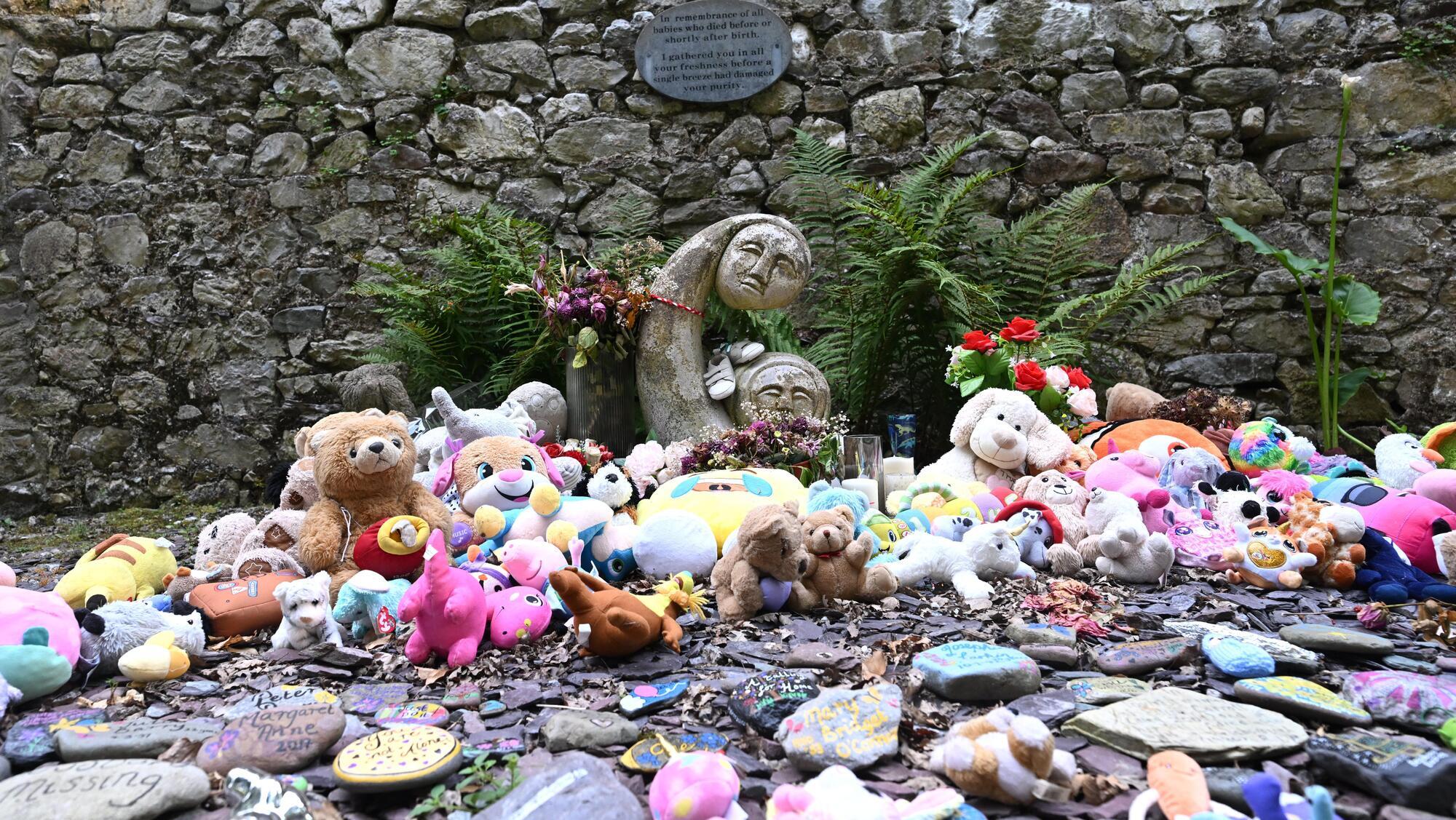
Survivors of mother and baby homes and Magdalene laundries have been able to tell stories that rewrite the previously official narrative. Picture: Larry Cummins

I managed to annoy somebody online this week.
And I know what you’re thinking: “Just the one?” Touché. But I didn’t even mean to this time. All I did was tell them something that conflicted with what they already believed.
It reminded me how much of the stories we tell ourselves are, in fact, reflections of what we’ve been through or what we want to see, as much as they are containing some element of fact or history.
In this case, it was nothing earth shattering. We’re not talking a soldier in the Maga or Andrew Tate faithful here. But it was, nonetheless, something they had internalised as certain when the reality was different.
Reader, it was about the Pied Piper of Hamelin.
I know, I know, I clearly move in riotous circles. It just happened to be a thread aiming to highlight obscure facts. One person mentioned town records noted it was a real event — it’s a bit of an unusual entry to folk stories, in that there’s a rough date ascribed to it (1284, in case you’re wondering).
The note, allegedly, is from 1384 and says “it is 100 years since our children left us”, or words to that effect.
I thought I was being helpful. I thought I was contributing something interesting when I replied there are town names derived from Hamelin and it’s been argued the story reflects a generation of young people leaving, never to return.
Read More
I was informed no, that’s not what the town records say. There was no room for debate — I was in the wrong.
Now, I myself was slightly incorrect, due to a wonky memory here more than malice. It wasn’t that the town names were derived from Hamelin; I had misremembered that it was, in fact, names common to Hamelin are found elsewhere in later years. But the migration idea is very real (plague and starvation are other possibilities), and has been researched.
Indeed, it may be a memory of how a whole generation of children were sold to recruiters responsible for gathering populations for new towns being founded throughout medieval German territories (“pied” means brightly coloured, and these recruiters were dressed exuberantly to get attention).
In that sense, it’s less a cautionary tale about failing to repay your debts and more an expression of guilt, generational trauma, and heartbreak. It’s not unique: Godzilla — yes, that one — has scarred and gnarled skin to reflect the damage suffered by the survivors of Hiroshima and Nagasaki. Irish folklore is full of the same themes, too.
And if you or your ancestors had been involved in selling over 100 children, wouldn’t you rather the record reflected it as some sort of tragic, even supernatural event and not, I don’t know, the consequences of your own actions? Some of the early accounts describe their disappearance as a miracle, for feck sake.
But those early accounts are reports of things people have read previously, or reference people who claim to have seen it happen (this happens a lot in medieval texts, it doesn’t mean it’s true). It’s actually a story that lends itself to all sorts of expansions and retellings anyway — a writer friend of mine recently published a version where the piper was a vampire, for example.
The brain fills in the gaps with what we think we saw/heard, and every story comes out slightly different in each oral retelling anyway (and that’s without a few drinks in you).
So what might, for instance, have been a procession of children leaving a village becomes, years later, something more ethereal; more years pass, and folk memory darkens depending on contemporary circumstances, adding in rats and punishment.
And who’s to say the next generation — maybe children born after older siblings had left — didn’t get some sort of garbled account of what happened, if it happened at all, and passed that on down the generations.
We only have to look a few decades into our own past to see how the realities of the Magdalene laundries and mother and baby homes were brushed aside, parked in the shadows, retold in ways that made the oppressors out to be some sort of moral caretakers instead of jailers guilty of incalculable cruelties to children and women alike.
The difference, in our case, is that the survivors have been able to tell stories that rewrite the previously official narrative. I have at least one relative who died in a workhouse just out of infancy, where he was living with his mother, who had seemingly been pregnant out of wedlock.
Thomas Leonard, a shoemaker from Passage West, is listed as the father on the birth record, but I can’t even be sure it’s my great-great-great-grandfather as opposed, for instance, to one of his sons.
If that information was lost in the actual generation of the child’s birth in a broadly literate society with a copious bureaucracy, how would a community fare when it had nothing but faulty memory and shame to work from?
My online correspondent, incidentally, went silent after other people (gently and politely) offered them more nuanced information.
Maybe the Pied Piper took them.
- David O'Mahony is Irish Examiner assistant editor, a writer, and a historian

CONNECT WITH US TODAY



Be the first to know the latest news and updates