'Very difficult winter' for energy prices
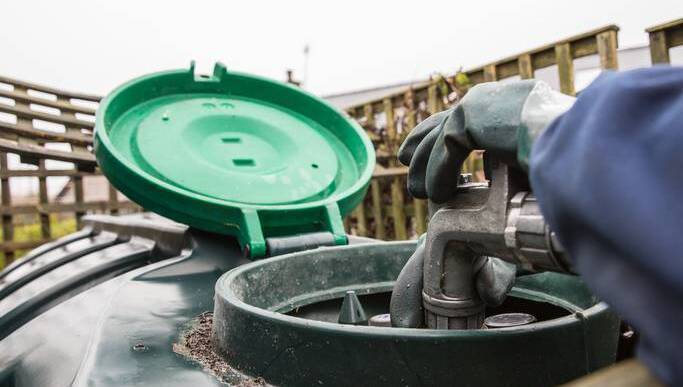
The European commissioner for energy, Dan Jorgensen, said there is “no doubt” the winter is going to be challenging, with “very high” fuel prices. Picture: iStock
Europe is going to face “a very difficult winter” in terms of energy prices and people’s ability to heat their homes, an EU presidency meeting of energy ministers in Dublin has heard.
Faith Birol, executive director of the International Energy Agency, said he hopes this difficulty will not turn into a “harsh winter”.
The European commissioner for energy, Dan Jorgensen, said there is “no doubt” the winter is going to be challenging, with “very high” fuel prices.
He said in a normal winter, close to 50m people in Europe are not able to adequately heat their homes, and added: "This winter might be even worse — so we take it very seriously."
The commissioner said that since the start of the US-Iran war the EU has paid more than €100bn extra for energy this year, without receiving “one extra molecule” of gas or oil.
Ireland is particularly vulnerable to global energy price hikes, as 78% of its overall energy supply is imported, compared to the EU average of 57%. Ireland imports 100% of its oil and 82% of its gas.
Speaking to media at Dublin Castle, both Mr Jorgensen and energy minister Darragh O’Brien said there is a “very real” security threat to Europe’s energy infrastructure, with increasing hybrid attacks, including from drones, anchors on the sea bed, and cyberattacks.
Mr Jorgensen said: “Our energy system is vulnerable, and we need to do more to protect it.”
Mr Birol told media: "Europe is going to enter a very difficult winter, so we hope that it will not be a harsh winter."
Mr O’Brien said the meetings at Dublin Castle is coming at a “critical time” with residential electricity prices across the union a third higher in the first half of 2025.
Read More
He said all EU energy ministers are “acutely aware that households and businesses are feeling that pressure every single day”.
The minister announced new measures to help home owners, including a fossil fuel boiler scrappage support of €2,000 and “enhanced measures” for at-risk households — measures welcomed by the Friends of the Earth.
Mr O'Brien said a National Energy Affordability Task Force would publish its action plan soon.
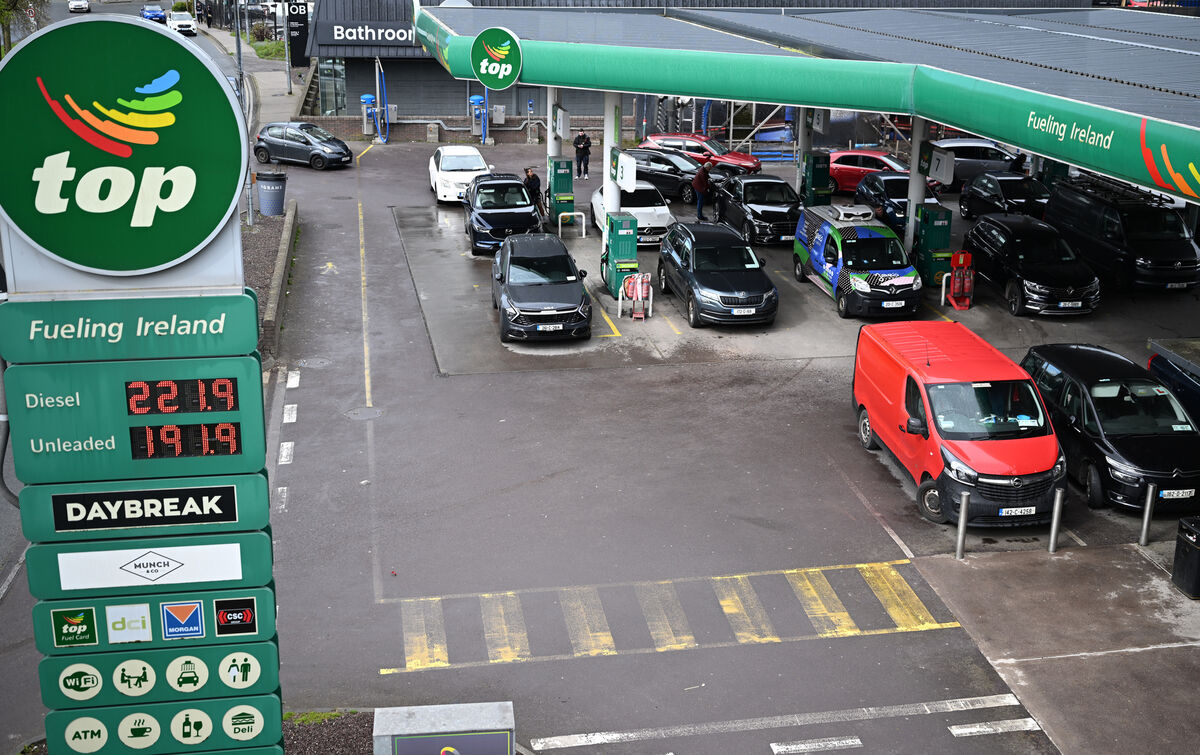
The latest CSO figures reveal that wholesale electricity prices are 77% higher than they were last year.
Ireland’s wind energy sector is currently estimated to produce, on average, around 40% of Ireland’s electricity.
The Government has a target to produce 80% by 2030, but this has been put back.
On security, Mr Jorgensen said the European Commission is working on a better energy security framework, including on strengthening electricity grids.
He also said there is now an “obligation” on developers of new energy infrastructure projects to include security in their plans.
Mr Jorgensen said the commission is working “very closely” with Nato.
Mr O’Brien said they got “a very detailed” presentation on energy threats from Brigadier General Timothy O'Brien, director of cabinet of the EU military committee.
“The threats are real and they're present,” the minister said. “We've seen an increase in everything from drones to cyberattacks to hybrid attacks.”
Ukraine’s deputy minister of energy, Anatolii Kutsevol, also attending the meetings.
Asked what support the EU can give Ukraine, Mr Jorgensen said Russia is bombing Ukraine’s energy infrastructure “at the coldest times to make people suffer” and then bombing again when repair crews are sent in.
Mr O’Brien said: “We were really pleased to have Anatolii here with us today, who spoke very movingly [and he was] very thankful for the support the EU has given Ukraine, and what he got... was our full support for Ukraine going forward.”

CONNECT WITH US TODAY



Be the first to know the latest news and updates