Households are paying the price for energy-guzzling data centres
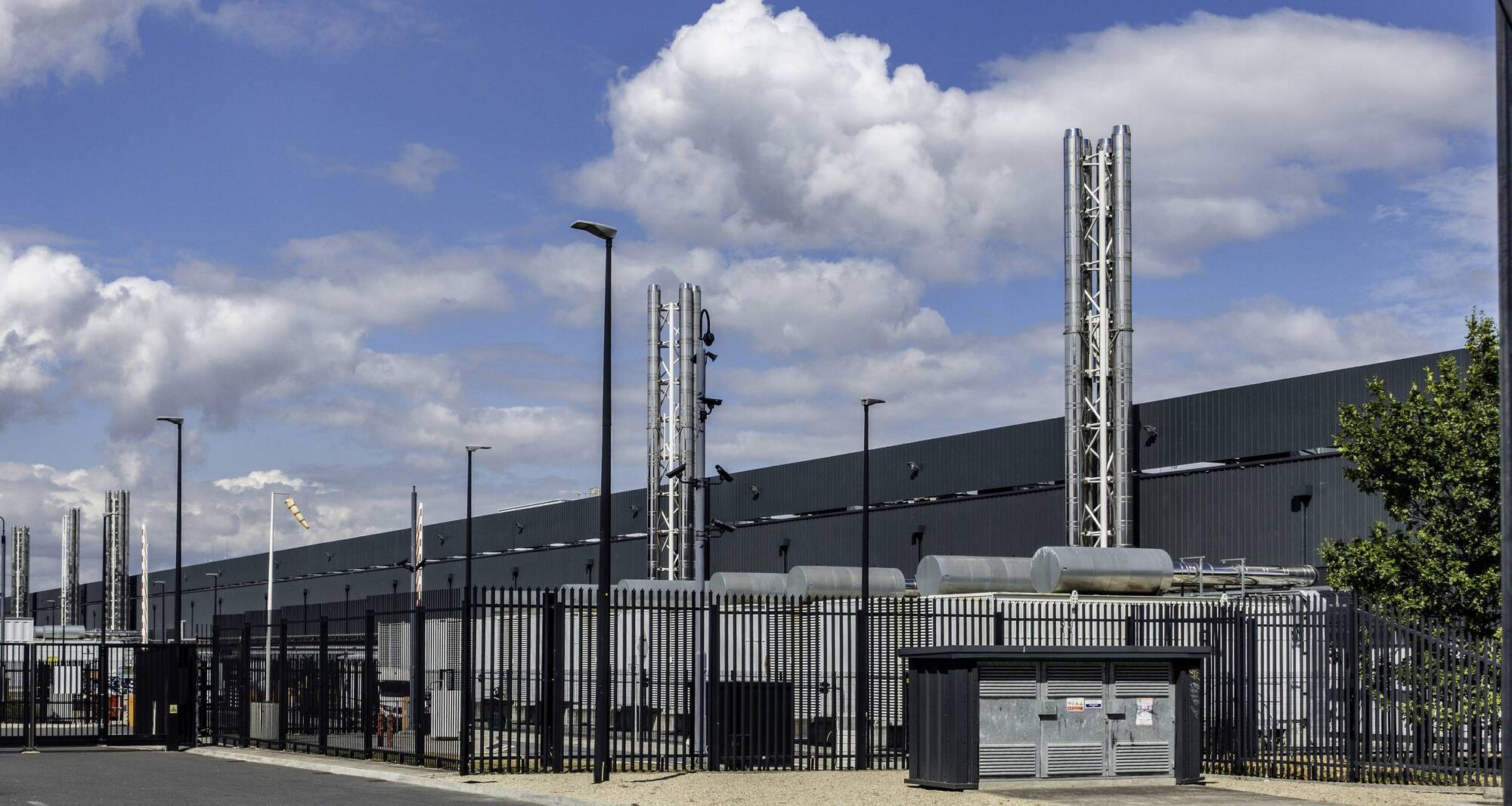
The AWS Cloud data centre in Tallaght, Dublin. Data centres inflict an enormous strain on energy grids.
Across the world, the backlash against AI is growing, from concerns about existential risks to recognition of its role in amplifying environmental harms and genocide.
At the same time, we are seeing a concerted effort from the tech industry and policymakers to extol the benefits of AI, arguing that if ‘we get it right’, we all stand to reap the benefits.
However, AI is necessitating the build-out of infrastructure at a scale unseen since the railway boom of the early-20th century, in particular data centres.
These facilities utilise enormous amounts of electricity and water, accounting for 23% of Ireland’s electricity demand, and growing our emissions in the process.
Their ownership is concentrated in the hands of US tech giants who exert a functional monopoly over the sector. Nonetheless, it seems that all we hear about are the economic benefits of AI and data centres.
Read More
In our new report, How we all pay for Big Tech: The social, economic, and environmental costs of data centres in Ireland, we find that data centres in Ireland impose significant costs on Irish society, whilst any benefits of uninhibited data centre development for the local economy are exaggerated.
We present new evidence and arguments for the direct, indirect, and opportunity costs of runaway data centre development in Ireland.
Data centres represent an unsophisticated and largely automated part of the AI value chain, requiring very few jobs after the construction phase and performing tasks that are akin to managing electricity and waste heat for server operations.
Data centres are known for their high energy usage, accounting for 23% of electricity on the grid.
The soaring consumption of electricity by data centres resident in Ireland imposes direct costs on households and small businesses by consuming scarce renewable energy capacity and intensifying Irish dependence on fossil fuels, which have been subject to extraordinary price volatility since 2022.
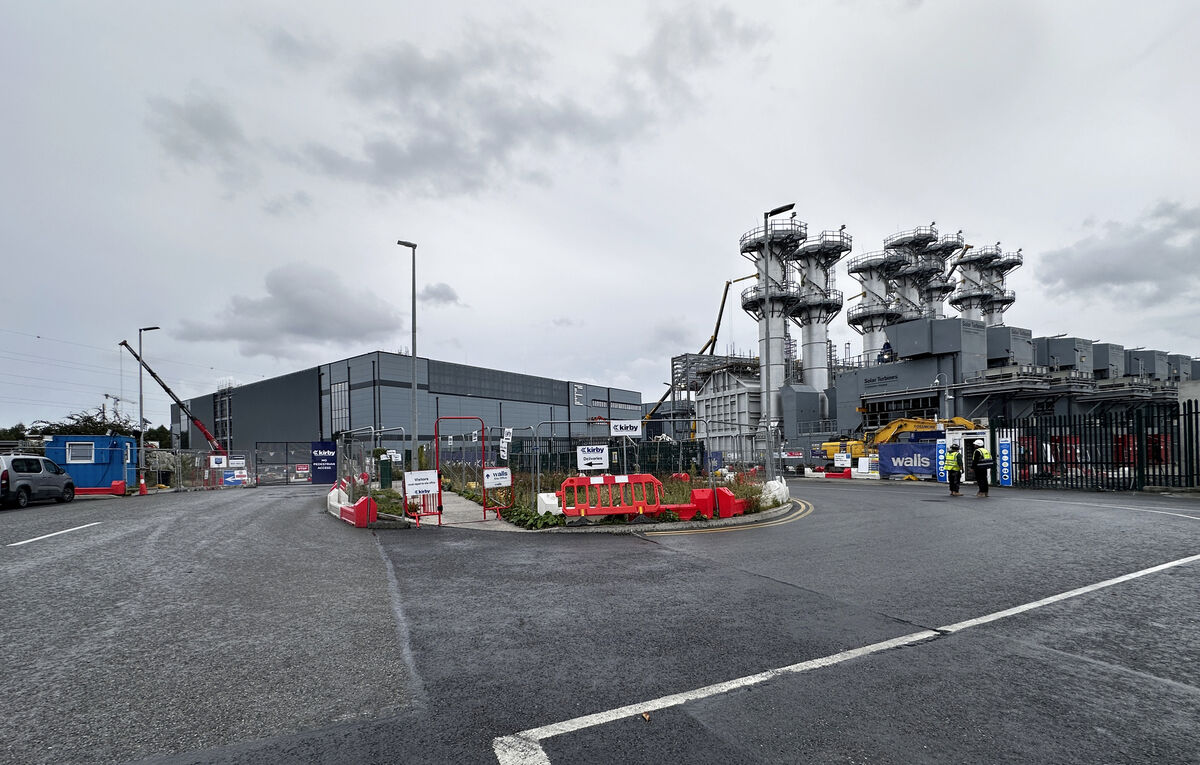
Recent modelling has indicated that data centres increased wholesale electricity costs in Ireland from 2015-2023 by €360 for the average household. In total, this has cost all Irish households some €715m during this time.
This is the lost income of Irish households, paid by the public to support data centres over the period. Households pay twice as much for their electricity per unit as data centres.
And it isn’t just energy. The prolonged hot, dry weather this summer resulted in hosepipe bans across the country as water reserves ran short.
We know that climate change will bring an intensification of drought conditions and yet water intensive data centres continue to be built.
We calculate that the total water footprint of the electricity consumption of data centres in Ireland was approximately 125.9 million litres of water a day in 2025, with a total annual footprint of 46 billion litres.
This is equivalent to the total direct water consumption of 340,600 homes (or 18.5% of occupied dwellings in the state). Data centres weren’t asked to reduce water consumption — in fact, during warmer weather, even air-cooled data centres require increased water usage to operate their cooling systems.
Government and industry representatives have made exaggerated claims about the economic benefits of data centres, based on spurious connections between data centres and real economic activity in Ireland. Our report presents evidence to dispel these claims.
Instead of a credible analysis of direct and real economic activity that may be linked to data centres, the Government has sought to create a myth of “domestic dependency” of huge sections of pre-existing economic activity in Ireland to hyperscale data centres.

Data centres provide little direct employment and cannot be compared, as minister Darragh O’Brien has tried, to industrial sectors across Europe simply because they consume vast amounts of energy.
For example, employment in the German automotive manufacturing industry is approximately 400,000 direct jobs, compared to about 3,300 in the Irish data centre industry.
Electricity use in the German automotive sector was about 3% of German national grid demand, and this scale is expected to decline in the coming years. Data centres in Ireland are expected to account for 30% of electricity demand by 2030.
The jobs that data centres do provide are more emission- and energy-intensive than jobs across the economy by orders of magnitude.
For example, we find a full-time job in a data centre is 880 times more CO-intensive than a job in the health service, 590 times more than a job in education, and 400 times more than employment in the retail sector.
More important than the raw figures of energy or water use is the opportunity cost of data centre development. Put simply, continuing data centre development directs essential economic capacity away from meeting urgent social needs.
Housing and transport projects are competing for grid connections and construction resources with the data centre industry, which has the capital and legal support to dominate the market.

These are opportunity costs that the Government actively withdrew from a recently commissioned KPMG report into the benefits of data centres to the Irish economy.
Our report finds that if the capital committed to data centres owned by US tech giants was instead devoted to home building, some 50,000 houses could have been built in Ireland between 2019-2024.
Leaving aside this level of investment, the construction sector reportedly needs 110,000 more workers between now and 2030 in order to meet its housing targets.
Currently, home building cannot compete with the contract values of data centre construction, changing the allocation and profile of essential construction skills across the sector.
Rather than being an economic opportunity, the continued runaway development of data centres represents an irrational allocation of resources across the Irish economy, prioritising the needs of big tech over Irish society during a housing and cost-of-living crisis and a time of escalating ecological emergency.
Our report demonstrates that data centres impose a wide range of costs on our society, allowing tech giants to continue to accumulate extreme amounts of wealth, power, and control over energy and resources, whilst Irish society pays the costs.
We wrote the report amid increased opposition from local communities, civil society, and political parties in Ireland to Government plans to expand support for data centres, as part of a strategy to accommodate and compete in the "AI race."
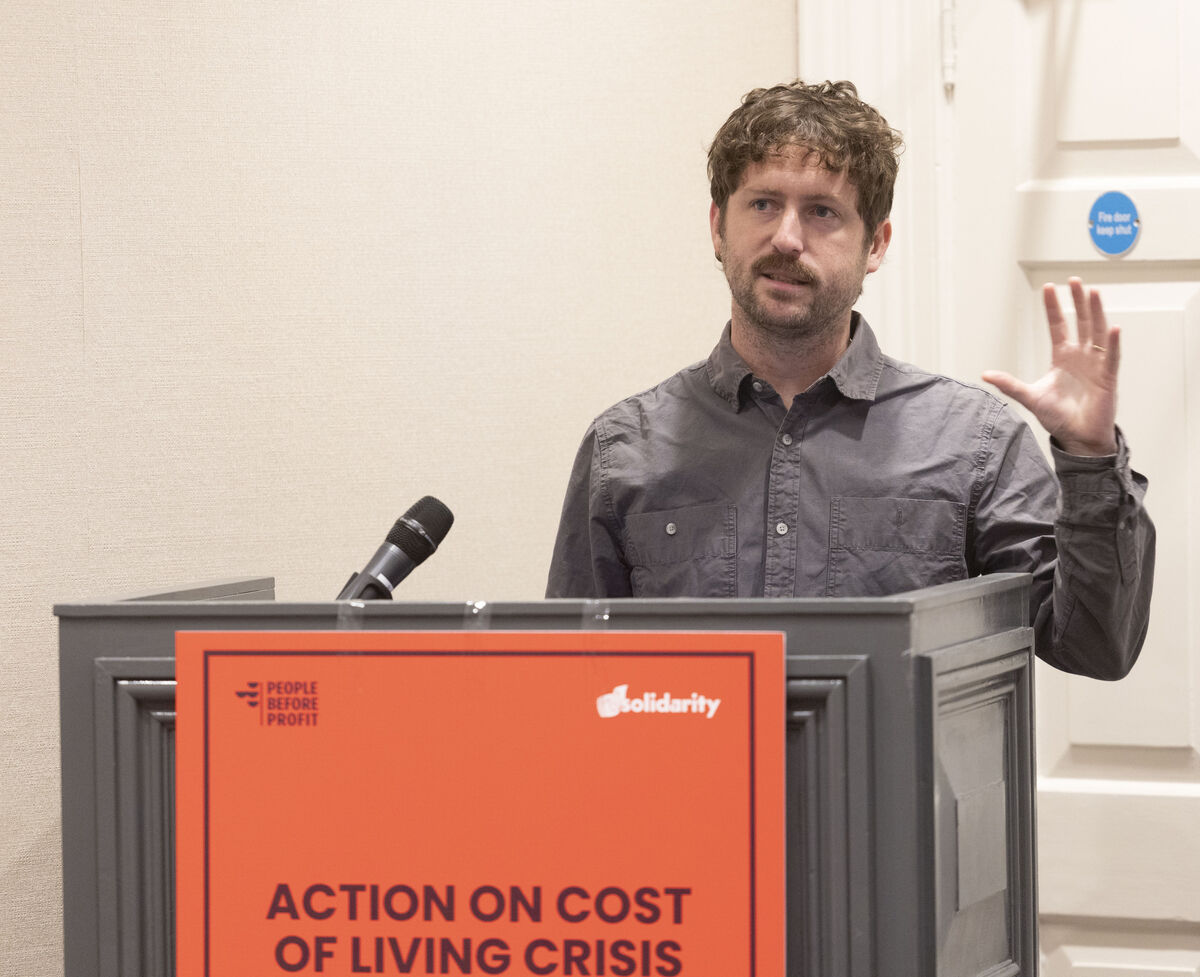
There is a clear and mounting gap between public sentiment and Government policymaking.
Our research presents evidence and arguments for a moratorium on the further expansion of data centres in Ireland. We are already a global outlier, and opposition to uncritical expansion of data centres is growing across the world.
Economic development in Ireland must focus on meeting social and ecological needs as a priority, instead of the needs of tech monopolies.
An immediate moratorium on data centre development is just the starting point.
By putting a halt to AI infrastructure build-out, we can help disarm the AI arms race while developing alternative green industrial policies, putting people, the environment, and the achievement of social good to the fore.

CLIMATE & SUSTAINABILITY HUB
CONNECT WITH US TODAY



Be the first to know the latest news and updates