Sean Rooney inquest hears Cork soldier’s account of terrifying attack in Lebanese village
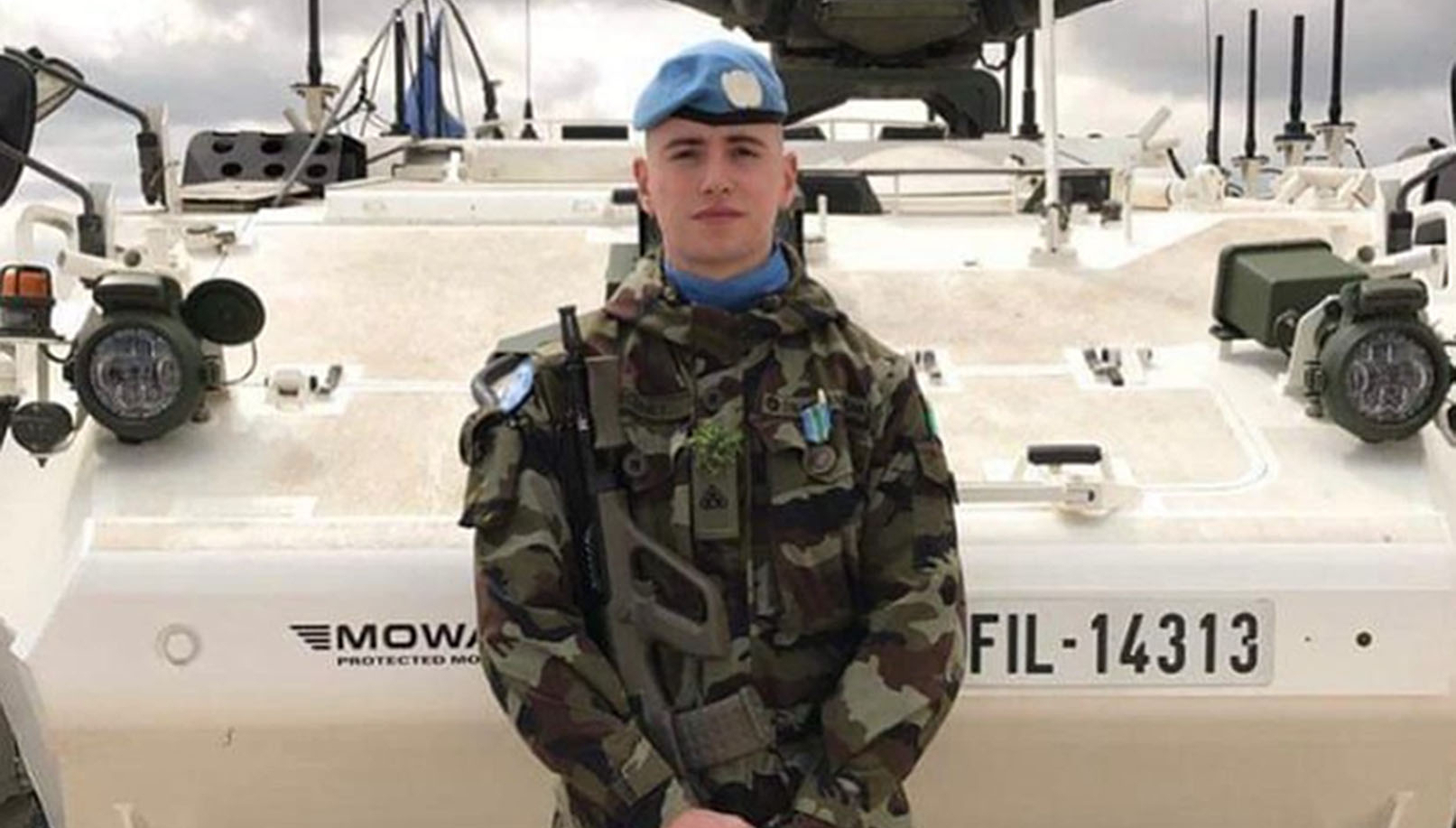
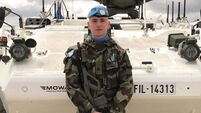
Private Sean Rooney of Newtowncunningham in Co Donegal, the Irish peacekeeping soldier killed in Lebanon in 2022. Picture: Press Association
A Defence Forces soldier who was critically injured in the incident in which Private Seán Rooney was killed has described the terrifying experience of his armoured vehicle after it mistakenly entered a Lebanese village.
At an inquest into the death of Pt Rooney in Dublin, Defence Forces trooper Shane Kearney, from Cork, said no one in his vehicle had previously travelled the designated route to Beirut airport on December 14, 2022.
Both soldiers were serving with the UN peacekeeping force UNIFIL at the time.
Pt Rooney, who was driving the second vehicle in a two-vehicle convoy, was shot dead during the incident in the village. Mr Kearney, who was sitting in the rear of the same vehicle, suffered a critical head wound and was subsequently airlifted to hospital in Dublin.
The inquest heard a transcript of an interview Mr Kearney gave to An Garda Síochána in 2022. He said he had not attended briefings about the journey to the airport because he was a passenger travelling on bereavement leave. However, his understanding was that Captain David Kelly, the commanding officer in the lead vehicle, was the only person in the convoy familiar with the route.
Read More
The inquest heard that, after both vehicles reached EP28, the boundary between UNIFIL’s area of operations and Lebanese territory, they stopped to remove their blue UN flags. When the lead vehicle continued, the second vehicle was unable to move. Mr Kearney said it took several minutes to get it running again. By then, the lead vehicle had disappeared from sight.
No one in the second vehicle was familiar with the route through Lebanese territory, which required a specific sharp turn to reach Beirut airport.
“We decided to go on anyway. It was grand. We tried catching up and we couldn't,” he said. After about 15 minutes, the armoured vehicle entered a Lebanese village, “and we could see we were not wanted there”.
“Driving past the locals, they were watching a soccer match, they'd look up, might have stood up, and saying 'what the fuck are this crowd doing here?',” he said.
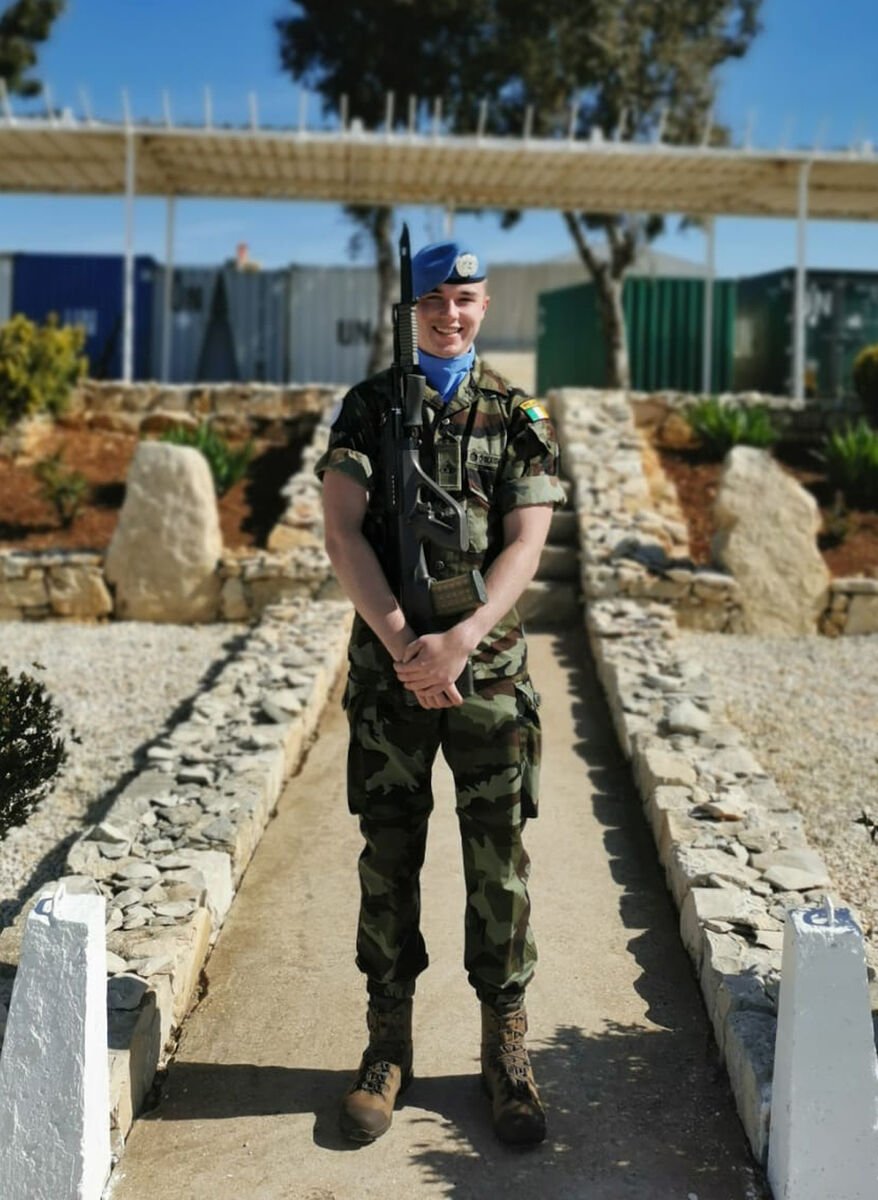
Shortly after entering the village, the vehicle was surrounded by angry locals who attacked the locked car and shook it violently. Mr Kearney agreed that the situation turned hostile “very quickly”.
He said a green van then arrived carrying three men armed with assault rifles.
“You could see they were aggressive like,” he said, adding that the four occupants of the vehicle were initially unconcerned because “we were in a bulletproof car”.
He described how a young man, aged 18 or 19, pointed a handgun without a magazine at him through the rear passenger window. The man then walked away before returning and deliberately loading the magazine in front of him.
“About two minutes later the back window got smashed in,” he said, adding that “we started doubting”.
“All of us still thought that we were getting out of there, that help was going to come,” he said.
“They were still battering, we started to realise that this isn't normal, this isn't how it normally goes.”
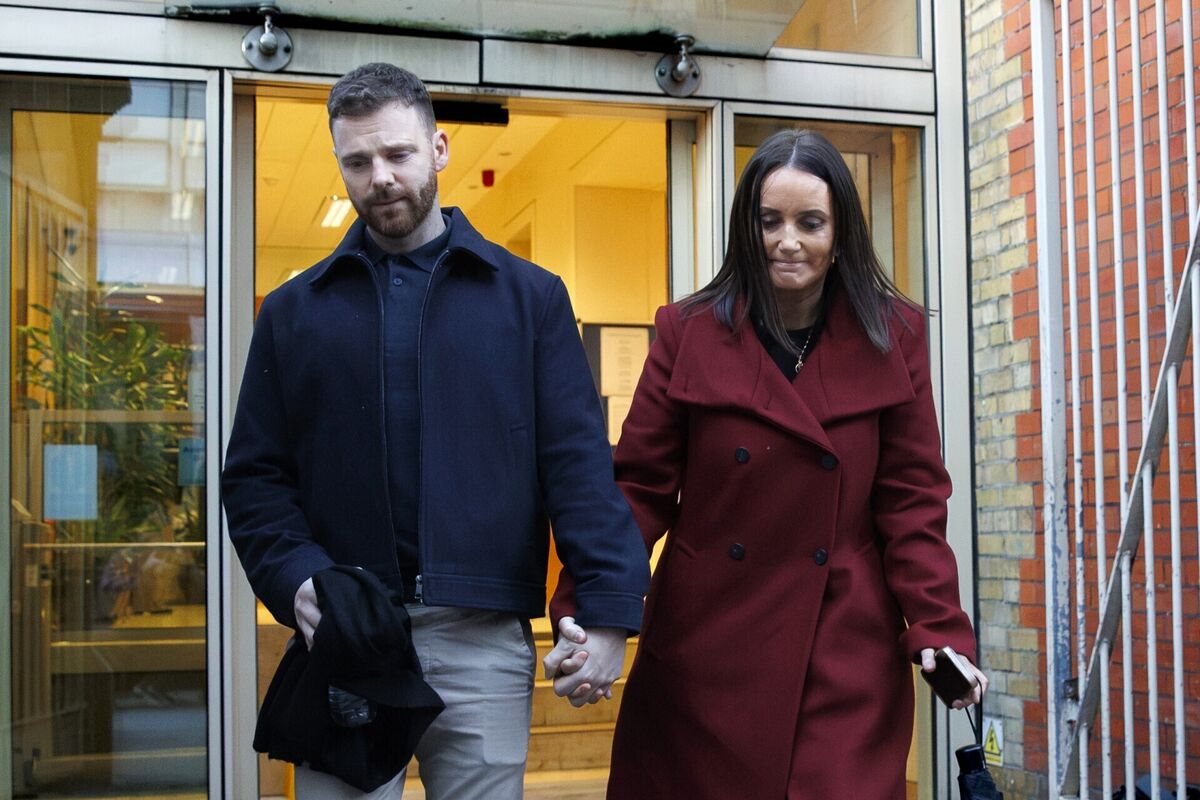
Mr Kearney said he could not remember anything after the rear window was smashed. His next memory was waking up in hospital in Dublin.
He told Pt Rooney’s family’s legal counsel, Seán Guerin SC, supported by Ray Motherway BL and instructed by solicitor Darragh Mackin of Phoenix Law, that the injury he sustained “probably” occurred shortly after the window was broken and the attackers gained access to the vehicle’s boot.
He said he had no memory of the vehicle’s subsequent movements or of a crash in which it was involved.
Mr Kearney told Coroner Myra Cullinane that he had received no formal training for journeys outside UNIFIL’s area of operations. The only briefing he had received from Captain Kelly about the journey, which he was making to fly to Ireland for a funeral, was the departure time from their base, Camp Shamrock.
Asked why there were two vehicles in the convoy, Mr Kearney replied: “I don't think you can go anywhere in just one car”.
He said the incident in the village was the first time he had been involved in a Denial of Freedom of Movement (DFOM) incident.
He told Mr Guerin that, although he had been in the Defence Forces for four years at the time, he had not completed the required Mission Ready Exercises (MRE) for his deployment. He said, however, that this “would happen often enough”.
CONNECT WITH US TODAY



Be the first to know the latest news and updates