Lower carbon tax rate on home heating oil 'an absolute consideration', says Jack Chambers
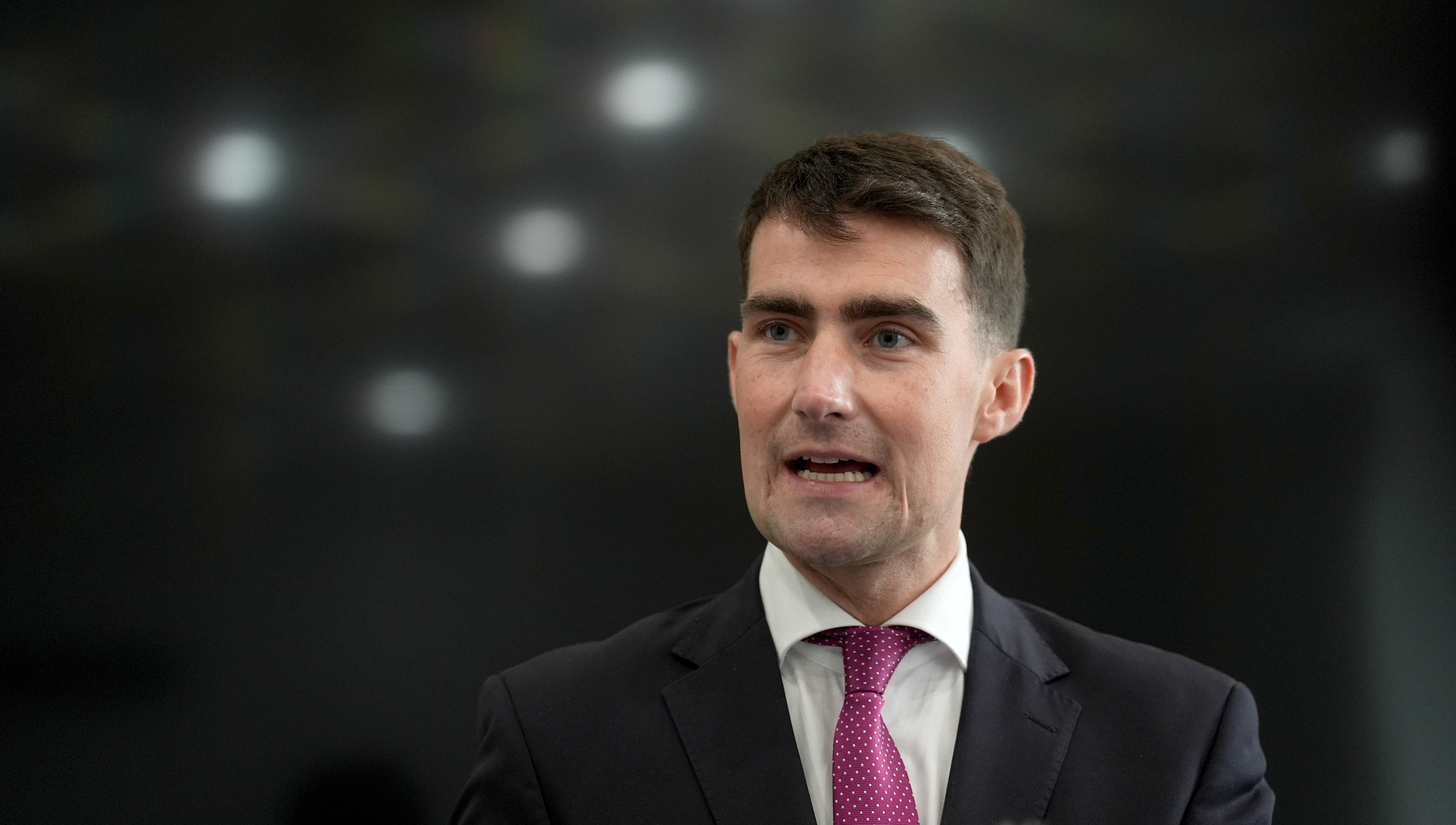
Public expenditure minister Jack Chambers says the Government is examining 'how can we give people certainty on petrol and diesel through the winter period'.
A lower rate of carbon tax on home heating oil is being considered for the budget, public expenditure minister Jack Chambers has confirmed.
Mr Chambers confirmed that a cut to the cost of a fill of home heating oil and extending excise cuts on motor fuel are both on the agenda.
Mr Chambers said that while the Government "cannot insulate" every household from energy price increases, the tax treatment of home heating oil is "an absolute consideration".
"We know that home heating oil is a specific issue for many families that have no alternative and that is why we are examining how we treat home heating oil in the context of the carbon tax," he told RTÉ's .
Read More
The Fianna Fáil minister said he supports the carbon tax, which has become something of a political running battle in recent years, and said that doing away with the tax would impact revenue intake and spending.
He said: “We have agreed temporary deferrals but I’m absolutely clear if there was a full annual deferral, for example of the carbon tax, that would impact the revenue available on some expenditure items.”
Mr Chambers said the Government's discussions have featured questions on "how do we target the limited amount that’s available to help people?"
“So that’s why we’re examining, for example, changes to the fuel allowance which helps the lower-income households in our country," Mr Chambers said.
He said the Government is also examining “how can we give people certainty on petrol and diesel through the winter period and potentially a further extension of excise into the early spring".
However, Mr Chambers warned that the Government cannot continue to "chase" prices indefinitely.
He said: “We cannot and we will not be able to chase every global price change and that’s why we’ve actually made one of the bigger interventions in Europe because we have the ability to do so because we’re running surpluses.
“But we need to ensure that we manage it and get the balance right on that.”
Meanwhile, sources said that much of the budget remains to be signed off, with expectation that some departments will have their plans greenlit early next week, but that some like social protection will likely take until the final meeting of coalition leaders on the night before the budget to be signed off.
Senior sources said that negotiation on core rates had been "difficult", with increases of between €8-€10 touted, but one source said that "balance" was needed with new measures such as a cost of disability payment and a planned "big push" on childhood poverty.
The cost of disability payment, a source said, will not go all the way to meeting the additional costs of disability, but will be permanent and is being treated as a "first step" in the payment's lifetime.
- Paul Hosford, Deputy Political Editor

CONNECT WITH US TODAY



Be the first to know the latest news and updates