'Profound and deeply troubling' failures in care of vulnerable people at hospital
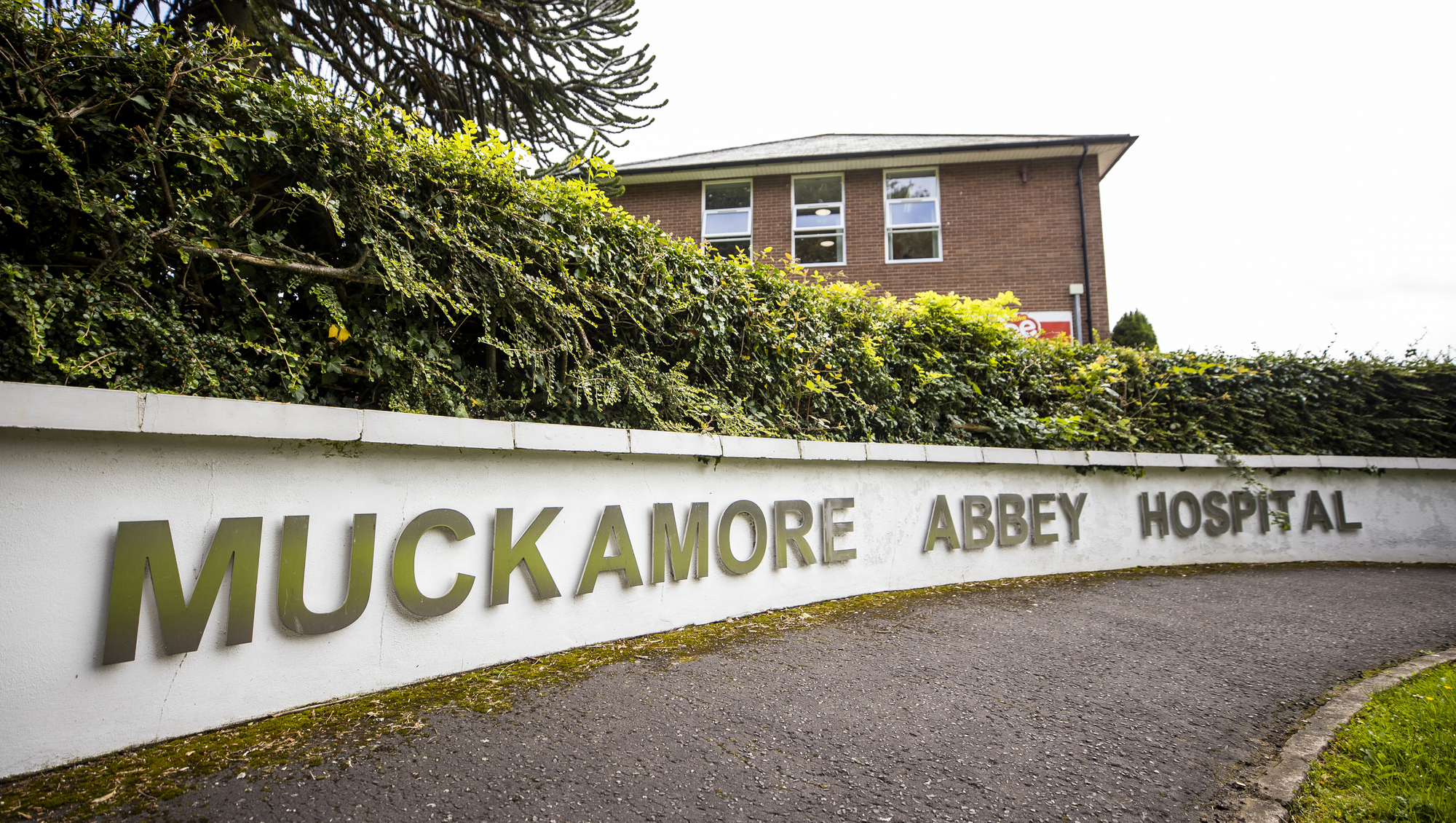
'The people who lived at Muckamore Abbey Hospital deserved better and their families deserved better.' Picture: PA
The public inquiry into the abuse of vulnerable people at Muckamore Abbey Hospital has found “profound and deeply troubling” failures in their care.
The inquiry said some staff inflicted “systematic bullying” on patients.
The long-awaited inquiry report also found that restrictive practices were used inappropriately, and that “as needed” medication was overused and “left some patients zombified”.
Delivering the findings in Belfast, inquiry chair Tom Kark told relatives that the mistreatment of their loved ones by staff at Muckamore became “normalised”.
The hospital has been at the centre of the UK’s largest-ever police investigation into the alleged abuse of vulnerable adults and a number of prosecutions are continuing.
Read More
The report said that CCTV footage was “essential in revealing the truth” at the Co Antrim facility for adults with severe learning disabilities and mental health needs.
“The people who lived at Muckamore Abbey Hospital deserved better and their families deserved better,” said Mr Kark.
Solicitor Claire McKeegan, who represents several families whose loved ones resided in Muckamore Hospital, said the inquiry findings “confirm years of systemic abuse and failure”.
She said those who held power “must now be held to account”, with survivors and families given redress. The solicitor called for all the recommendations set out in the inquiry to be delivered in full.
“For years these families were told they were exaggerating, or they were simply not listened to at all,” said Ms McKeegan.
“Today the inquiry has confirmed what they always knew — that their loved ones were abused on a staggering scale, that the failure was systemic, that the warning signs were there to be seen, and that those with the power to stop it did not.
“This report belongs to the families and to the patients, including those who did not live to see it. They were right. But being vindicated is not the same as receiving justice.”
The report made clear that patients were abused at Muckamore.
“It is important to state that bold and simple fact,” it stated.
“The abuse did not involve every patient nor every member of staff, nor a majority of the staff.
“But many patients had their lives made miserable by systematic bullying by certain members of staff whose job it was to look after them.”
The inquiry’s central finding was that a policy shift, beginning in 2001, to move all patients with learning disabilities and autism from hospital into community-based care, was not matched with investment.
As a result, many patients could not be safely discharged due to a lack of capacity in the community.
This led to significant delays in resettlement, heightened distress, and in some cases readmission to Muckamore hospital.
The inquiry also found that there was “insufficient” staffing at all levels, leading to unsafe wards, and restrictive practices were used inappropriately.
Staff instability, increased violence, high use of restrictive practices, and repeated complaints were “visible and known”.
A lack of activities for patients often led to “frustration, boredom, and dysregulated behaviour” and Muckamore became “more functional and less homely” as time went on.
Peer-on-peer abuse “escalated dramatically” and was not recognised as a warning sign, the inquiry said.
It also found that “as needed” medication, also known as pro re nata medication, was overused as a tool of restraint which left some patients “zombified”.
It found that seclusion was misused as punishment for so-called bad behaviour and was not properly monitored.
There was a “closed culture” among staff which discouraged reporting of poor behaviour and many families said they were frightened to complain in case it impacted on the care their relatives received.
Systems and structures in place were “wholly inadequate” to manage the scale of abuse uncovered through a review of CCTV footage in 2017.
The inquiry has made 106 recommendations and proposes reforms in response to the “profound catalogue of failures”, including “ineffective” external inspection regimes, and serious failures in governance within the Belfast Health and Social Care Trust which led to the erosion of oversight at the care facility over many years.
It said the trust treated each complaint in isolation, preventing any recognition of wider patterns emerging over time.
'Implementation must begin immediately'
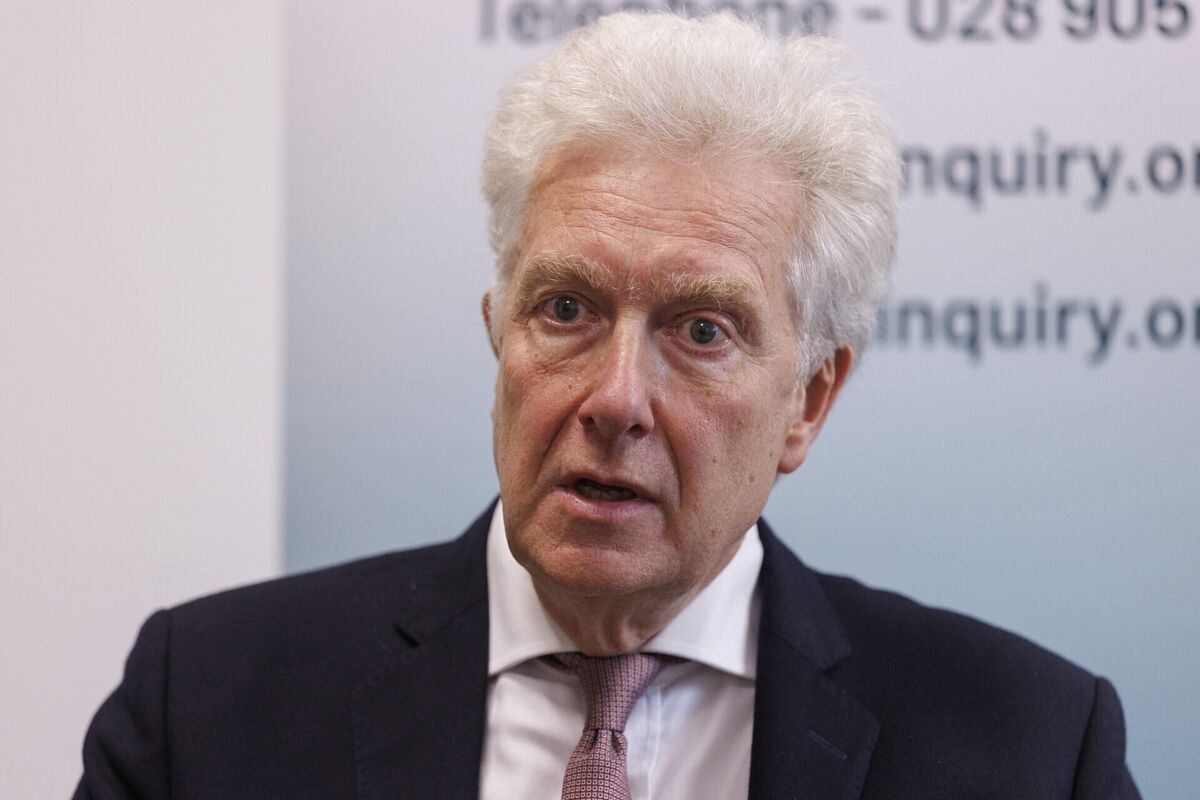
Speaking at the publication of the report, Mr Kark paid tribute to the residents of Muckamore and their families for being “central to uncovering the truth”.
“While the publication of this report cannot undo the harm suffered, it is my hope that it will serve as a turning point.
“The responsibility to act on the recommendations now lies with those who lead, manage, and deliver health and social care services across Northern Ireland.” He said the amount of recommendations reflect “the depth of evidence heard and the seriousness of the failures uncovered”.
“The inquiry’s report has been formally submitted to the health minister.
“Implementation must begin immediately and monitored rigorously. The lessons from Muckamore Abbey Hospital are stark. This cannot be allowed to happen again.
“There should be no delay, no dilution, and no side-stepping in the delivery of the recommendations.”
Mr Kark said it was “highly unusual” for a public inquiry to take place simultaneously with a large police investigation and criminal trial proceedings.
A memorandum of understanding was entered with the police and the Public Prosecution Service in Northern Ireland to ensure the inquiry did not interfere with the criminal proceedings.

CONNECT WITH US TODAY



Be the first to know the latest news and updates