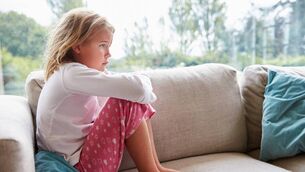
Joanna Fortune: My child wants to go back to playschool 
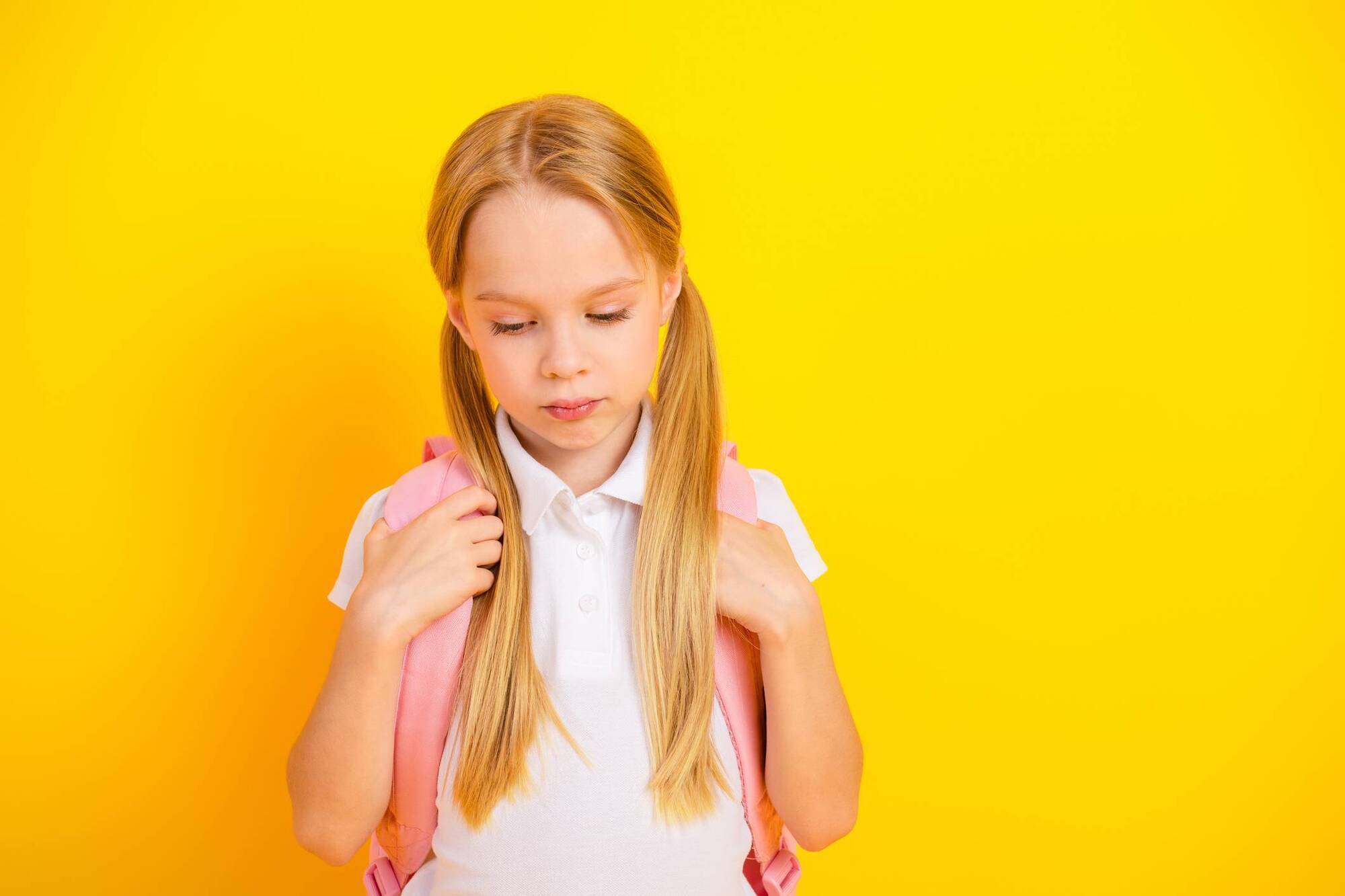
Starting ‘big school’ becomes over-hyped, and when the child finally starts, the reality can feel underwhelming
Anticlimax is a common experience for young students (and sometimes for their parents, too) after they start primary school. Picture: iStock 

Anticlimax is a common experience for young students (and sometimes for their parents, too) after they start primary school. Picture: iStock 

My five-year-old daughter started ‘big school’ last week. She was excited to wear a uniform and bring her new bag and lunchbox to school. But, at the end of the first day, she said she wanted to go back to playschool and was upset when I explained that she was too old. It’s been a struggle getting her out to school since.

Sometimes, through no one’s fault, starting ‘big school’ becomes over-hyped, and when the child finally starts, the reality can feel underwhelming, an anticlimax. Your daughter’s response is understandable. When something hasn’t lived up to our expectations, we would rather return to the comfort and predictability of where we used to be.

All you can do is gently, yet firmly, persist. Validate her feelings and acknowledge that big school feels different from how she imagined it, but that it is where she’s supposed to be.

Connect with her school and let them know that she is feeling resistant, and perhaps the teacher (or classroom assistant) can keep a close eye on her.

Maybe she could be given a small task each day to help the teacher. For example, she could hand out sheets of paper, collect them, or run a small errand to the school office and back. The responsibility might help her to feel ‘big’ in this new ‘big school’.

Anticlimax is a common experience for young students (and sometimes for their parents, too) after they start primary school. Typically, it happens a few weeks into the term, but for some children, like your daughter, it can be much sooner. The hype has faded into routine, and the build-up around new uniforms, bags, and pencil cases has worn off.

These first days and weeks are often exhausting for young children as they learn to navigate new rules, longer days, social transitions, and new people. Even those who can hold it together all day at school will emotionally exhale all of that effort once they get home. The combined sense of anti-climax and overwhelm can indeed render a young child reluctant to go to school and craving the more relaxed and familiar comfort of pre-school.

Along with the morning resistance you describe, also watch for physical complaints (tummy aches, feeling sick) and emotional moodiness (irritability, clinginess, anger, tearfulness), along with any other behavioural regression (bed-wetting, thumb-sucking, extreme clinginess). Children who are having difficulty with an area of their lives tend to use behaviour as a means of expressing what they cannot otherwise verbalise.

I suggest you lower demands on your daughter and keep afternoons relatively free, allowing for play and relaxation. Don’t greet her with questions about her day, but simply sing a song, provide a snack and a drink, and spend time playing together outdoors where possible.

When curious about her day, reframe the question: ‘What made you laugh today? What made you cross today? What surprised you?’

Keep her bedtime routine calm and consistent during this adjustment phase. Don’t force her to ‘be happy’, but, rather, meet her where she is at with kindness and patience.

Trust the process of school adjustment, because the majority of children will settle within the coming days and weeks.

If you have a question for child psychotherapist Dr Joanna Fortune, please send it to parenting@exmainer.ie or use the form below.

More in this section

Cookie Policy Privacy Policy Brand Safety FAQ Help Contact Us Terms and Conditions

© Examiner Echo Group Limited