My Childhood with Tony Griffin: ‘Hurling brought me out of myself’
Hurling was a huge part of life for former GAA All-Star, Tony Griffin, as a teen, but he, says that moving to the US for college opened new possibilities to him. Now, as a published author, he hopes his book can help young people who may be struggling. 
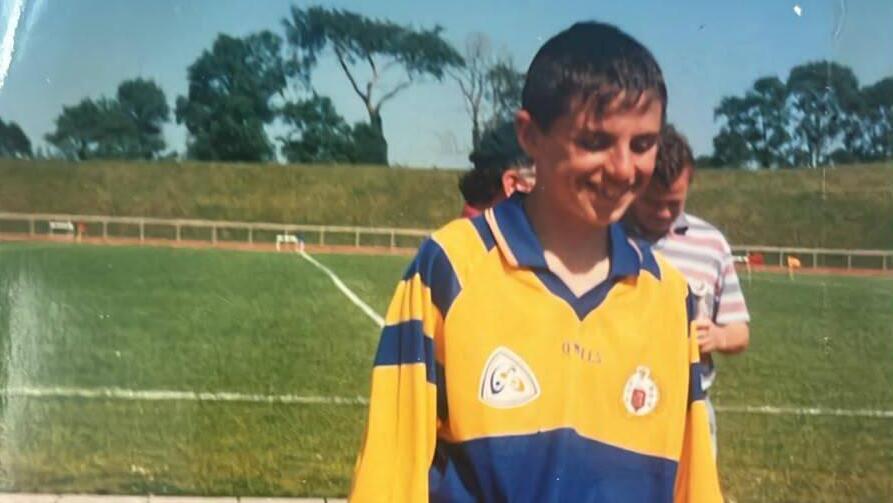
Tony Griffin representing Clare for the first time at U14 level

Tony Griffin representing Clare for the first time at U14 level

Breaking his femur as a two-year-old had a lasting impact on Tony Griffin. The former GAA All-Star hurler believes it turned him into “a dreamy kind of kid who would head off across the family farm to look at trees and make up songs and stories”.

Griffin spent six weeks in hospital recovering from that break. His parents both worked and had six other children to look after at home.
“My mother could only come to see me after she finished her night shift as a nurse’s aide and before she cycled the 12 miles home to Ballyea,” he says. “I spent a lot of that time on my own and I think it made me go into my own world.”

The experience also caused a speech delay. It was so significant that, in junior infants, Griffin’s teacher had to ask his older sister to translate what he was saying. His teacher eventually told his parents that he would have to attend a special school if he wasn’t speaking properly by the time he started senior infants.

His mother Maria sprang into action. Every day of the summer holidays, she would read her son a story and ask him to repeat it back to her.

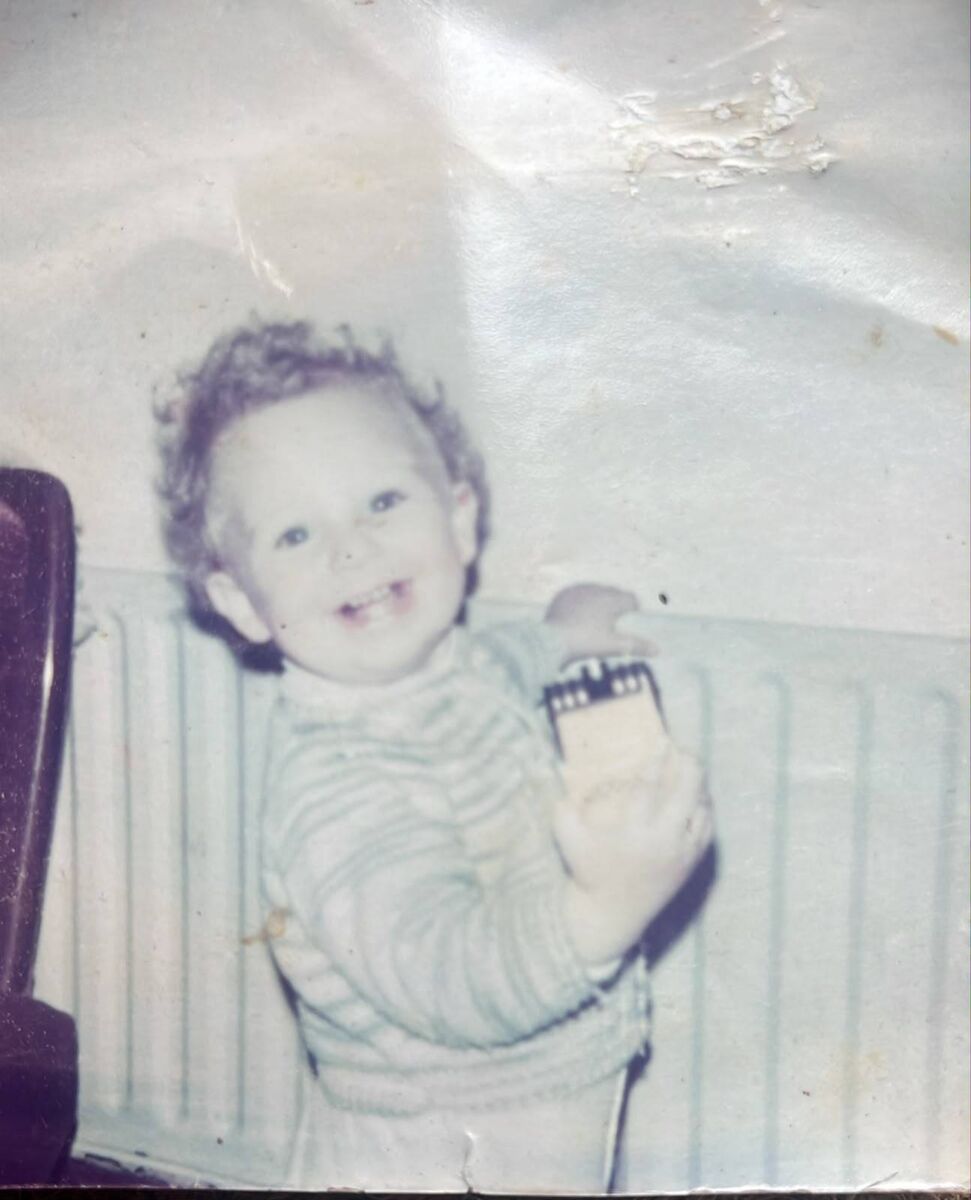
Tony Griffin as a toddler.

“How I loved sitting in her lap being read to,” he says. “And it worked. I was speaking clearly by the end of the holidays.”
Maria hailed from Scotland and Griffin laughs as he tells the story of how his parents met. In the 1960s, his father Jerome and three friends emigrated in search of work and one was hired to work on the Clyde Tunnel, where he was billeted with a family of four daughters.

“That man wrote to his friends telling them he had an eye on one of the daughters and suggesting they might be interested in the others. Four guys from Clare married four sisters from Falkirk. We still have the newspaper clipping about it.”

Griffin’s parents initially settled in Falkirk but his mother worried about raising children in what was then a sectarian society. So his father decided to return to Clare.

“They arrived with Angela, Seán, Rosaleen, Frankie, and Susan,” says Griffin. “Me and Eva were born afterwards.”

If breaking his leg as a toddler made Griffin retreat into himself, he argues that hurling brought him “back out again”. He has a distinct memory of playing hurling with his older brothers when he was nine or 10 and suddenly realising he was good at the game.

He was soon playing with his local club and was called to join the Clare team aged 13. He took hurling seriously from then on and says he was “fixated on exploring how much better I could get”.

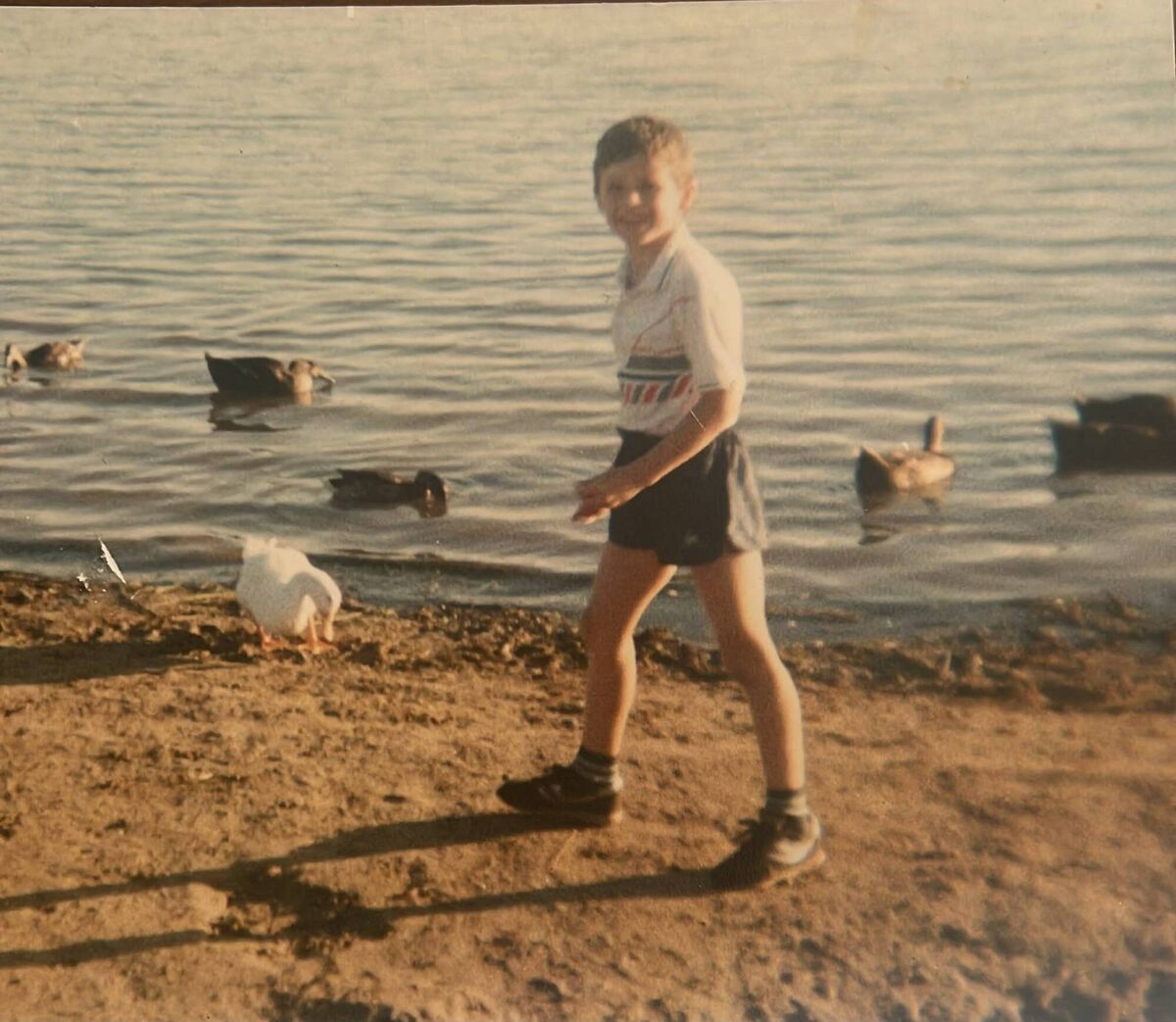
Tony Griffin aged 10.

Looking back, he wonders if this fixation was motivated by teenage insecurity. Griffin didn’t hit a growth spurt until he was 15 and says he “felt small, weak, and insignificant, especially in comparison to my brothers who seemed so strong and manly”. He added: “But that changed when I stepped onto the playing field. People praised me then. I fed off the validation of that and, over time, I think my identity got entwined with my performance. Everything became about the game and the need to prove myself over and over again.”
Hurling even dictated his choice of secondary school. He initially attended the same Christian Brothers school in Ennis as his older brothers but asked to transfer to St Flannan’s College because they were better at hurling.

“I spent four amazing years there, training in the evenings and at weekends,” he says. “It was the making of me as a player.”

He had hopes of studying physiotherapy after school but didn’t get the points. Instead, aged 18, he started studying for an English and economics degree at University College Galway.

He enjoyed those years but says he didn’t have “a typical college life”. He was a member of the Clare senior team by then and had “a strict training schedule that required travelling back to Clare on Tuesdays, Thursdays, and weekends”.

Griffin got a second chance at college life aged 23. He was friends with Travis McDonagh, a chiropractor and nutritionist who worked with the Clare hurling team and who suggested Griffin study performance psychology at Dalhousie University in Canada.

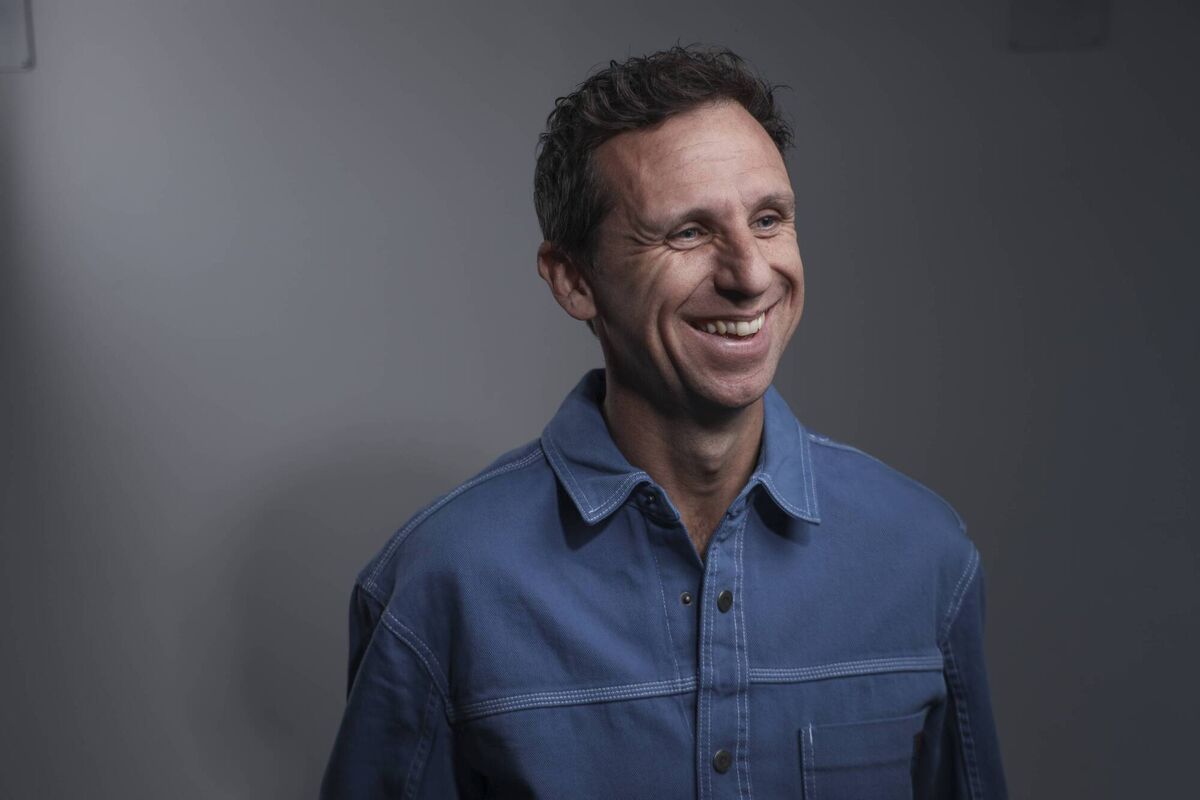
Tony Griffin is a performance psychologist and his book, The Teenager's Book of Life, is published by Little Island Books. 

Griffin followed his advice and had a transformative experience. Before moving to Canada, Griffin’s world was defined by hurling and he lived according to his training schedule. Away from Ireland, he says his “mind opened to other possibilities”.

His father’s death during that time affected him deeply too. “Dad worked so hard to look after us and was always so solid in his support of me,” says Griffin. “He died when I was 24. I wish I’d been able to get to know him as an adult.”

Griffin did something unusual to process his grief. He cycled across Canada in his father’s memory, raising €1.2m for charity in the process.

He went on to give talks about the cycle in schools and found he had an affinity with teenagers. In 2012, he co-founded The Soar Foundation, which delivers workshops to help teenagers discover who they are and develop the self-confidence to believe in themselves.

During the pandemic, he wrote a book called The Teenager’s Book of Life. Based on his experience of working with teenagers, it draws on psychology, sport, and Griffin’s own life story to deal with topics such as identity, mental health, and relationships.

That book is now being published by Little Island Books and Griffin couldn’t be more delighted.

“I remember what it was like to struggle as a teenager,” he says. “It makes me happy to think my book could help today’s teenagers through that.”

More in this section

Cookie Policy Privacy Policy Brand Safety FAQ Help Contact Us Terms and Conditions

© Examiner Echo Group Limited