Dr Phil Kieran: Why is my teen sleeping so much but still tired?
From nutritional issues to screens in the bedroom, there are plenty of factors that could be playing into this situation
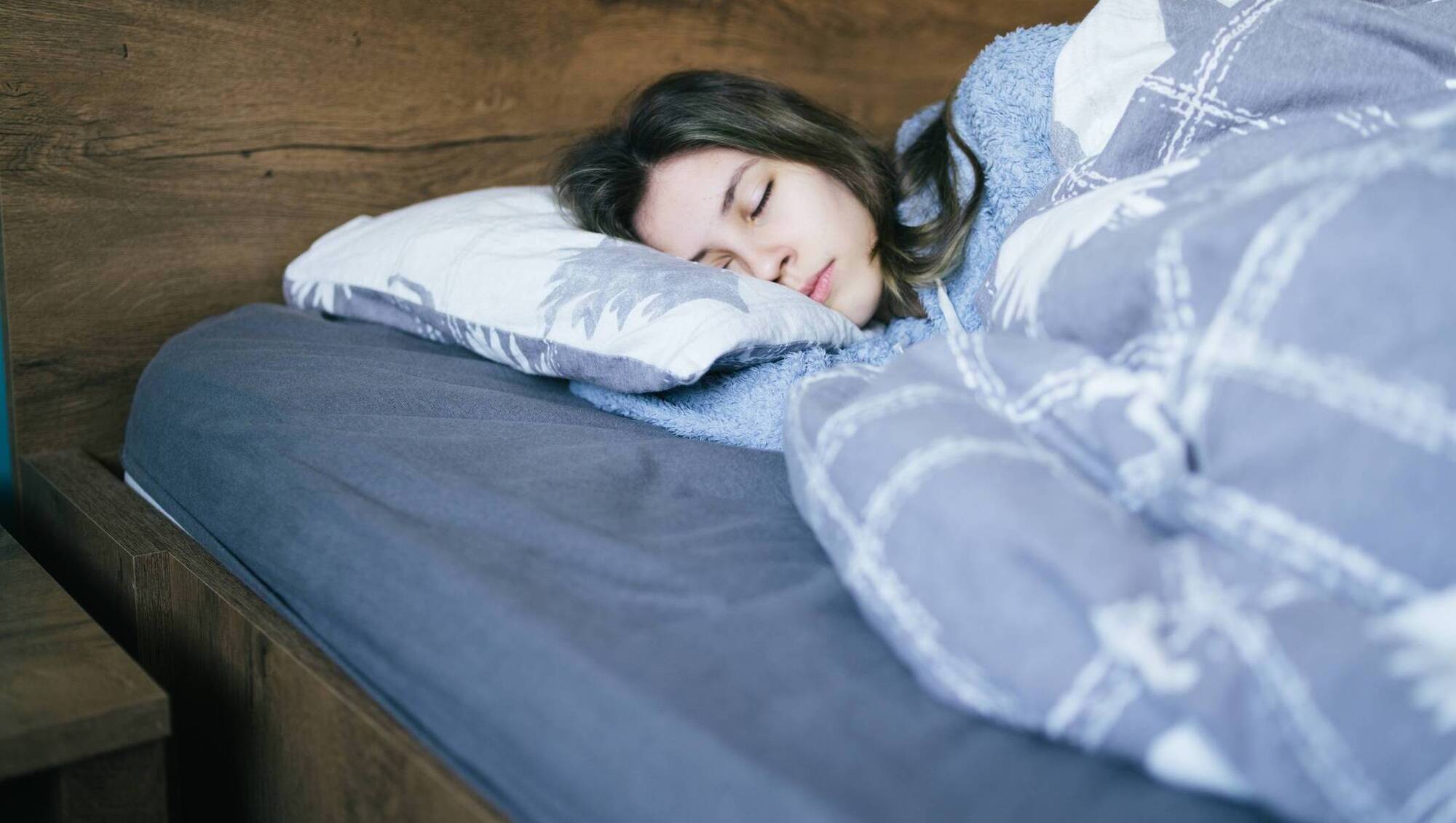
Dr Phil Kieran: A few behavioural and nutritional aspects can be explored before we start worrying about an underlying medical issue. Picture: iStock 

Dr Phil Kieran: A few behavioural and nutritional aspects can be explored before we start worrying about an underlying medical issue. Picture: iStock 

My 15-year-old has always struggled getting off to sleep but, during the summer, she started sleeping up to 12 hours a night and complaining of being tired all the time. It could be related to the weather as she doesn’t like it when it’s hot outside. Should I be worried or are marathon sleeping sessions normal for teens?

Sleep difficulties are one of the most common presentations we see in general practice, and sleep changes in adolescence are even more common.

Sleep requirements for teens are higher than you might think, at eight to 10 hours of sleep per night. Few actually manage to get this much.

It’s harder for teens because their circadian rhythm changes, making them more wakeful in the evenings and nighttime and wanting to sleep later in the mornings.

Due to this change, many teenagers build up a sleep debt, leaving them extremely tired. For this reason, I don’t necessarily worry too much about children having occasional longer sleeps to “catch up” but it sounds like your daughter’s case is going on longer than is ideal.

A few behavioural and nutritional aspects can be explored before we start worrying about an underlying medical issue.

As a teenager’s sleep clock shifts later, they can start to have difficulty drifting off, which can lead to bedtime varying significantly.

Research shows that adolescents who have a bedtime set by parents get more sleep than those who set their own bedtime. It seems that having a set routine around sleep makes it easier to fall asleep.

My next suggestion is to keep screens out of the bedroom.

Most of us know this but the majority of patients I speak to have their phone or tablet in their bedroom. Usually, this is for the alarm clock but browsing screens before going to sleep is not a good idea, whatever the reason.

A possible cause for increased fatigue that can get overlooked is low iron. It can be easy for adolescents to gradually become iron-deficient while actively growing. This is especially true for girls with heavy menstrual bleeding.

A girl your daughter’s age needs about 15mg of iron per day, so it is a good idea to have a look at her diet and see if she is meeting this requirement.

If things aren’t improving with a good diet, improved sleep habits, and the weather settling down to more comfortable temperatures, it would be time to go see your GP. One of the first things I would look for in such a case would be any signs of an underactive thyroid or signs of a mood disturbance (anxiety or depression can present as increased tiredness, particularly in adolescents).

Sleep is a complex topic that we can’t fully explore in this article, but I would recommend visiting unicef.org, which has an excellent page discussing it in detail, titled Why Does My Teenager Seem So Tired?

Increased fatigue, like you are describing, is usually not a sign of a worrying medical issue but simply a teenager growing and needing more rest. If your daughter can improve her nutrition and sleep hygiene, there’s a very good chance that this tired spell will resolve quickly.

  • If you have a question for Dr Phil Kieran, please send it to parenting@examiner.ie or use the form below

More in this section

Cookie Policy Privacy Policy Brand Safety FAQ Help Contact Us Terms and Conditions

© Examiner Echo Group Limited