Dr Phil Kieran: When should you call your GP? 
When is it okay to 'watch and wait' and when is it time to call the doctor
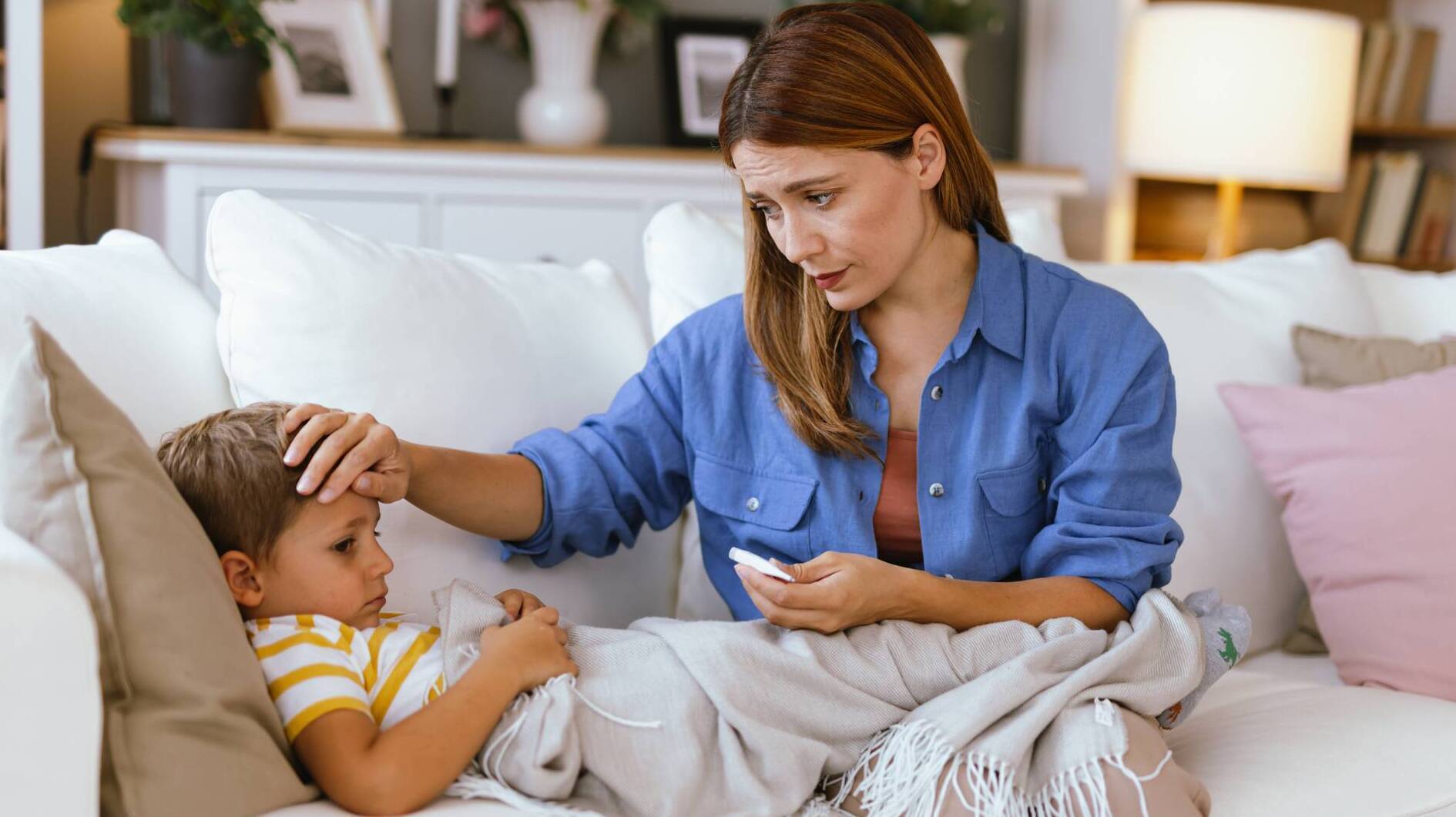
Here are signs and symptoms to look out for when your child is ill. Picture: iStock

Here are signs and symptoms to look out for when your child is ill. Picture: iStock

Working as a GP, I see sick children every day, and parents frequently ask for guidelines as to when they should call the doctor or when it is OK to watch and wait. An exhaustive list isn’t possible here, but here are some signs and symptoms to look out for.

Viral illness

When our children are sick, most of us worry about what type of sickness they have. As doctors, we are more concerned with what effect the illness is having on the child. Most infections children get are viral and self-limiting, so what matters is keeping them well enough for their immune systems to do the work.

Dehydration

For smaller children, dehydration is a worry, and it can happen pretty quickly. So if your child is sick and has significantly fewer or drier nappies, or if their eyes look dull or their mouth is dry, that suggests dehydration, and they need to be seen by a doctor. Also, a child who is unusually difficult to rouse or not interested in what’s going on around them should be taken seriously and get medical attention.

Breathing

A child who is really struggling with their breathing must be seen urgently. A more subtle sign is called their “work of breathing”. This term refers to how much effort your child is putting into getting enough oxygen. Parents often worry about a cough that has been lingering for weeks, but there is usually no need to contact the doctor if the child breathes easily when they aren’t coughing.

What is more worrying than whether they have a cough is a child who has to suck each breath in and breathe out hard to get enough air in and out. If your child is breathing quickly, their tummy sucks in with each breath, or if they are sitting with their hands on their knees, panting, see a doctor.

Temperature

Fever is something most parents watch for, and a temperature number to focus on would help. Unfortunately, there’s no cut-off reassuring below and scary above (though I wouldn’t sit with a child whose temperature was over 40°C). More important is how the child is — how they are eating and drinking, and how long the temperature has been high? If they’re not too sick overall, then it’s probably OK to watch and wait.

A few special cases for fever:

  • Children younger than three months should be seen urgently with any temperature at or over 38°C
  • Anyone with a fever and a rash that doesn’t go pale under a glass needs urgent review
  • Children with a fever for five days or more need to be seen.

I always encourage parents to trust their gut feeling. You know your child. If they’re unwell and you’re worried, seek review. If you think they’re OK and are happy to keep an eye on them, trust yourself on this, too.

  • If you have a question for Dr Phil Kieran, please send it to parenting@examiner.ie or use the form below

More in this section

Cookie Policy Privacy Policy Brand Safety FAQ Help Contact Us Terms and Conditions

© Examiner Echo Group Limited