Joanna Fortune: My son has boundless energy — do I need to encourage more quiet time? 
He’s less interested in sitting at the table to go colouring or do jigsaws like my other children enjoyed at this age.
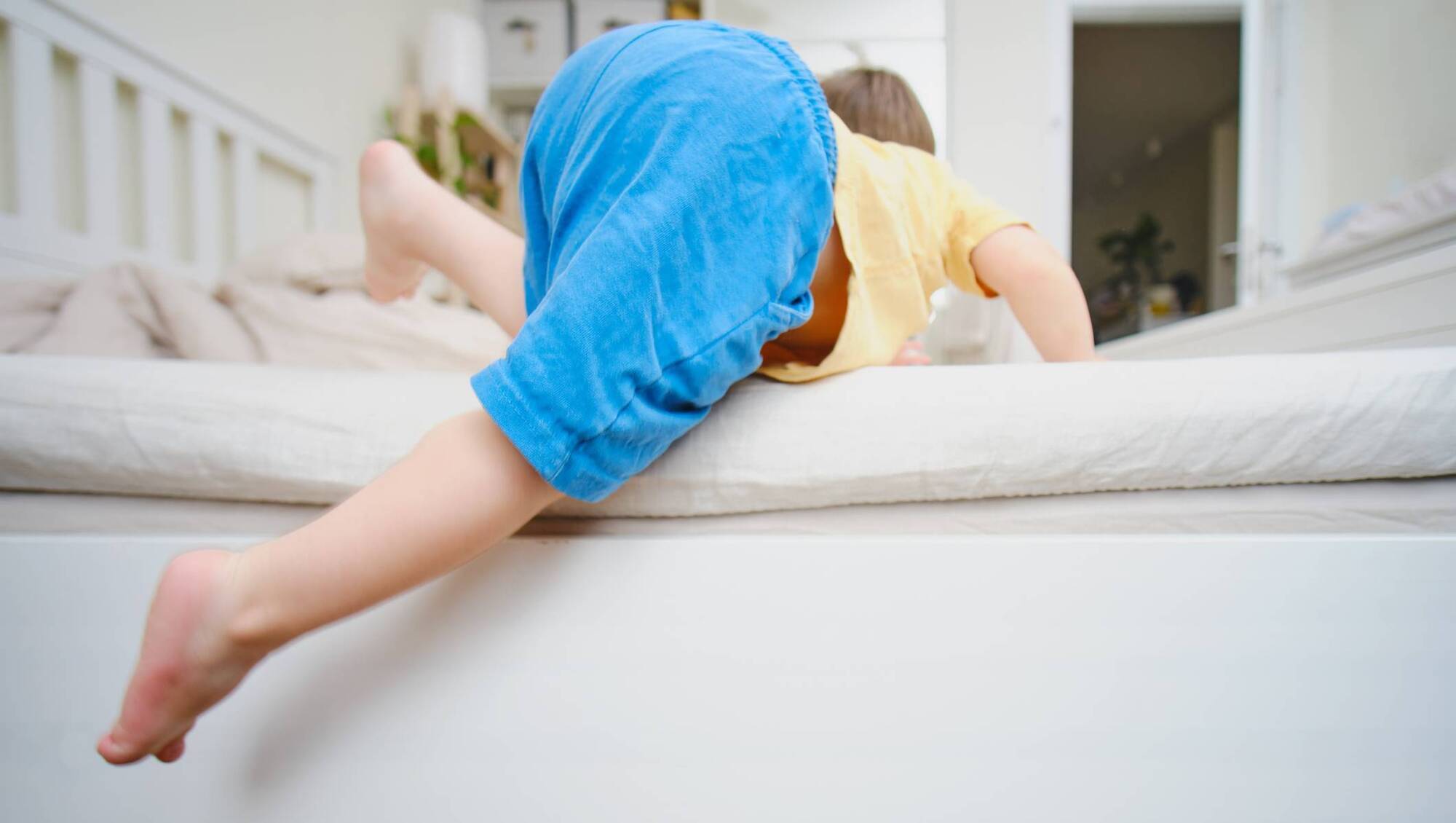
Due to rapid growth rates and a high metabolic rate, many young children (even toddlers) possess what can seem like boundless energy, says Joanna. Picture: iStock

Due to rapid growth rates and a high metabolic rate, many young children (even toddlers) possess what can seem like boundless energy, says Joanna. Picture: iStock

I have three children, and my youngest is by far the most spirited of them. He seems to have boundless energy and is always looking to go on his bike, build forts with his older brothers, or jump from couch to couch, playing the floor is lava. He’s less interested in sitting at the table to go colouring or do jigsaws like my other children enjoyed at this age. He’s a very happy child, and rarely in bad form. A family member recently commented that he’s very full on and said we must be exhausted all the time. It made we wonder if maybe we should be doing more to encourage more downtime and quiet games instead of the more active games?

You don’t say how young your youngest son is, but I want you to think about the world through the eyes of a young and energetic child for a moment.

Due to rapid growth rates and a high metabolic rate, many young children (even toddlers) possess what can seem like boundless energy. I read a study some time ago that spoke about the “fatigue-resistant muscles” of young children, and in essence what it was saying is that young children tend to rely on aerobic respiration, which enables them to keep moving and to keep playing and creating without experiencing the type of fatigue most of us grownups would experience when moving at the same rate. I mention this because your observing family member may be reflecting on how they would feel if they were to be as active as your young child, but do not confuse this with him “needing” rest because of this observation.

A young child’s brain is developing at a very fast pace, constantly processing new information and stimuli such as sights, sounds, and other information.

This constant and fast-paced mental stimulation in turn, drives a fast-paced physical response. They are spirited because they are growing and learning all of the time. They need movement and activity more than they need rest at this age.

You have other children to compare him to, and you mention that he is even more active than his older brothers were at his age. This is such a good reminder that no two children, even within a sibling group, are the same. They all develop at their own pace and in their own way.

Your youngest experiences the world around him in a fast-paced and physical way. Some children are innately more active and are born with what you could describe as a high-activity temperament and prefer movement over quiet tasks, like the jigsaws and colouring activities you mention, which are not appealing to him.

I would suggest you pay attention to his diet and sleep schedule. A high-sugar diet will not suit an innately energetic child and could result in surges and crashes in his energy level. Equally, when you are thinking about encouraging rest periods for him, I would tend to do so around his sleep routine. A calm, clear, and consistent sleep routine will help to regulate energy.

Overtired children often appear tired but wired because they are prone to sudden surges in adrenaline, making them appear hyperactive rather than tired. So persist with a set sleep schedule, and this will be of great support to him.

All of that said, there are some ways to encourage waves of lower-energy play that will also stimulate and engage him. A family game night, while selecting games that encourage some movement such as Cranium (family edition), What a Performance (Orchard Toys), and many more ( cogstoysandgames.ie has a wide selection). Other types of play to support this are things like having a slow-motion dance party whereby you play music but all dancing is in slow motion so he doesn’t get too hyped up.

Another suggestion is playing balloon volleyball so that he gets the sensation of hitting or throwing, but the slow float of the balloon stops this becoming too excitable.

This play is still offering him fun and plenty of activity, but in a more structured way, so that the wave of energy is at a more mild to moderate level.

  • If you have a question for child psychotherapist Dr Joanna Fortune, please send it to parenting@examiner.ie or use the form below.


x

More in this section

Cookie Policy Privacy Policy Brand Safety FAQ Help Contact Us Terms and Conditions

© Examiner Echo Group Limited