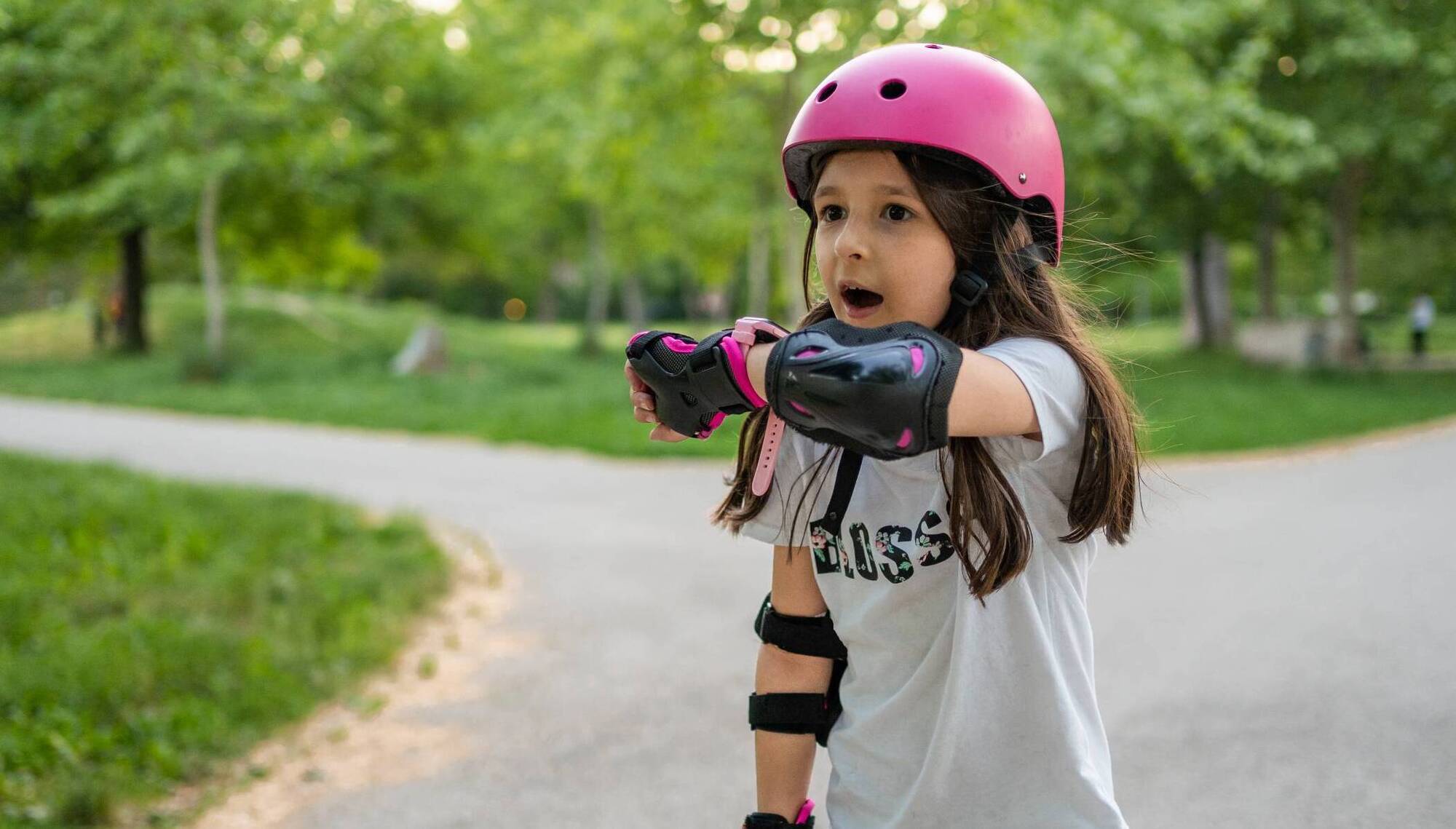
We always held our ground when it came to mobile phones. The children had to be in the dying days of sixth class before they could join our family package. True to our word, each one of our daughters had to wait. Until it came to daughter number four.
We don’t live on a green, and with a lot of her friends coincidentally based in the same housing estate, we had to bend the rules. The 11-year-old needed a little freedom to see friends in a safe space.
Phones were out of the question, so we explored the next best thing — a smart watch.
We had our ground rules, though. This had to be a device with no camera, no social media. We just wanted to be able to call our daughter and see her location, and for her to be able to call us. We also wanted a limited number of phone numbers that she could access. Ideally, a device that could be used at school, as a simple watch.
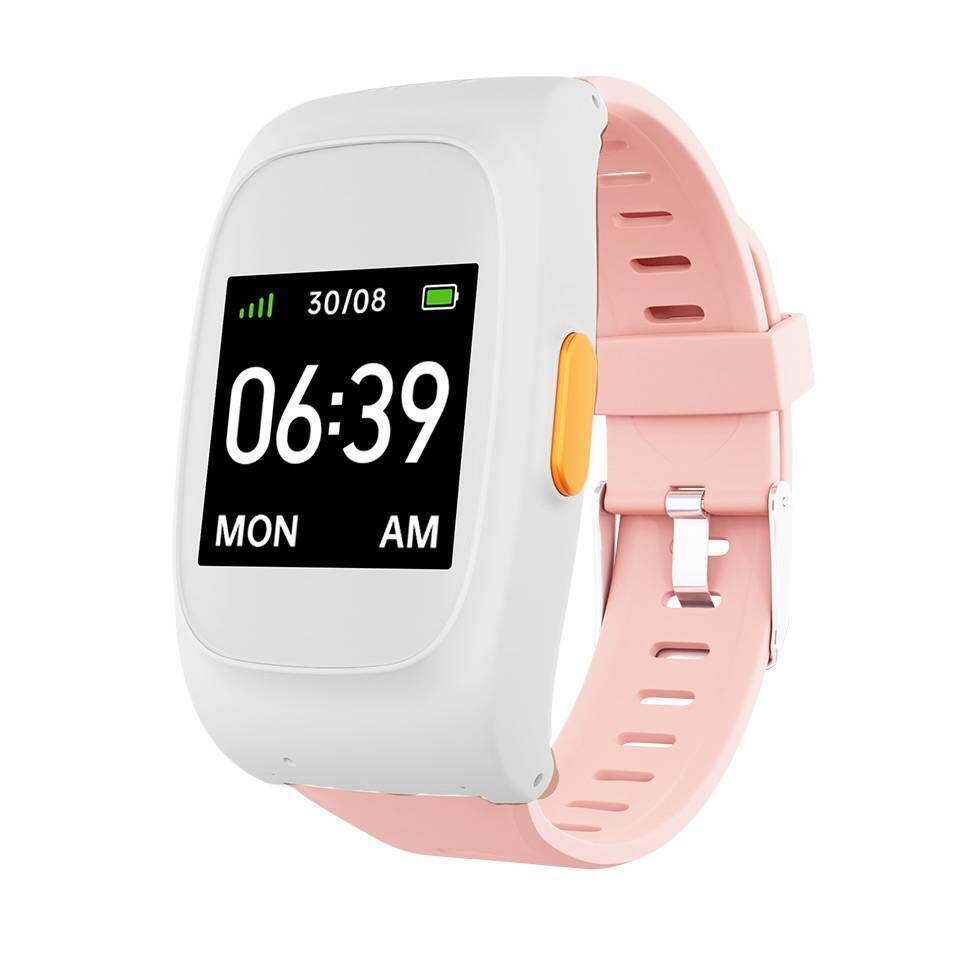
There weren’t many providers that matched our requirements. Until we discovered the Ally smart watch. It has just one button on the side, press it, and you’ll dial the emergency number saved in the watch — mum. If the call is not picked up, it will go to the next one on the list. The watch can also accept calls, so parents can check in, too.
One thing to keep in mind: The watch can’t tell the difference between a recorded voicemail and a person answering the phone. If your child’s message goes to voicemail, it won’t ring the next assigned emergency contact number. As a result, voicemail will need to be switched off for the watch to work as designed.
The watch has a price tag of €200, and the monthly SIM card is €12, which is on par with other watches and plans.
The Ally watch includes a GPS tracker. It counts steps, has a heart rate monitor and, though it is disabled in our watch, it has a fall detection facility. One of the main demographics for the brand is elderly people who may need emergency assistance — a key market for Wexford-based Tunstall Emergency Response, which launched the watch with Pandu, a Dublin technology company.

Supporting the watch is a smartphone app for parents to monitor their child. You can see the location of the wearer, and also set up geofence alerts if the watch leaves a specific area.
This is the feature that most concerns Dr Colman Noctor, child psychotherapist, mental health lecturer at SETU Waterford and Irish Examiner columnist.
I tell him I worry about the messaging I’m sending to my 11-year-old — that she needs constant surveillance.
So, does it make me a terrible mum?
“No,” he laughs. “Having a device that allows you to call [your child] is nowhere near the same level of risk as a smartphone would. So, from that perspective, it’s absolutely fine, and I wouldn’t think there’s any risk of anything happening there.”
He pauses, and I ready myself for the ‘but’.
“The only problem with this is that it’s a wearable,” he says. “And the issue around wearables is that we normalise surveillance as part of our culture.”
Noctor isn’t urging me to disconnect the location tracing. Instead, he advocates something that existed long before mobile phones — a simple conversation.
“There’s nothing unusual or unhealthy about you tracking where she is, by virtue of the fact that she’s your daughter and she’s 11. The problem is, where does this go? What problems might it create in the years to come?
“When you’re introducing any device, you’re trying to think of years down the line. When your daughter has had a wearable since she was 11 and now she’s 16, all her friends want to track her, and the companies want to track her, and they want to harvest her geolocation data, her purchases, her Revolut transactions, it’s the consequences of that down the line that you just need to be aware of.”
At its core, though, he reassures me, the watch is a good thing.
“If this watch allows her to spend more time on the green with her friends in real time, that’s a worthwhile investment. Any technology that increases your face-to-face contact with other people is a good use of technology. If she didn’t have the watch and couldn’t go to the green — well, the watch is an absolute no-brainer.
“In the next 10 years, spending time in real spaces with other people is one of the biggest things to disappear from society.
“So, for me, anything that encourages a play-based childhood is worth it. So, from that cost-benefit analysis of you giving her this watch, which allows her to do that with her friends, is a far greater dividend than the risk of her developing an unhealthy relationship with wearables.
“You have to just be mindful of what the other messaging she might be picking up from the device over time. Buying the technology is like buying a puppy — the work doesn’t end there; it only starts.
“You accompany it with the conversation, communication. Tell her it’s not a surveillance thing. It’s a safety thing, and it allows you more freedom when I can tell where you are. I can give you more freedom by means of that.”
He adds that we need to advise children that they should never allow anyone else to track them.
Knowing your child, their strengths and vulnerabilities, is essential, says Noctor.
“If you have a watch that’s counting your steps, and you have an app on your phone that tells you your calorie breakdown in terms of how much protein you’re having and all that, that could be a very useful thing for someone who’s trying to live a healthier life. You put that on the arm of a child with an eating disorder, and it’s a persecutory device.
“It’s about the vulnerability of the user combined with the capacity of the device.”
I take Noctor’s advice on board. We have the conversation about tracking, about safety, but also about guarding her own privacy. And my daughter? She enjoys a few hours here and there on the nearby green, safe in the knowledge she can reach me — literally — at the touch of a button.
- Ally Watch, see exa.mn/smartwatch-for-kids or call 0818 999247

Cancel anytime
CONNECT WITH US TODAY
Be the first to know the latest news and updates