What is Zionism? The history behind the political movement and its meaning today
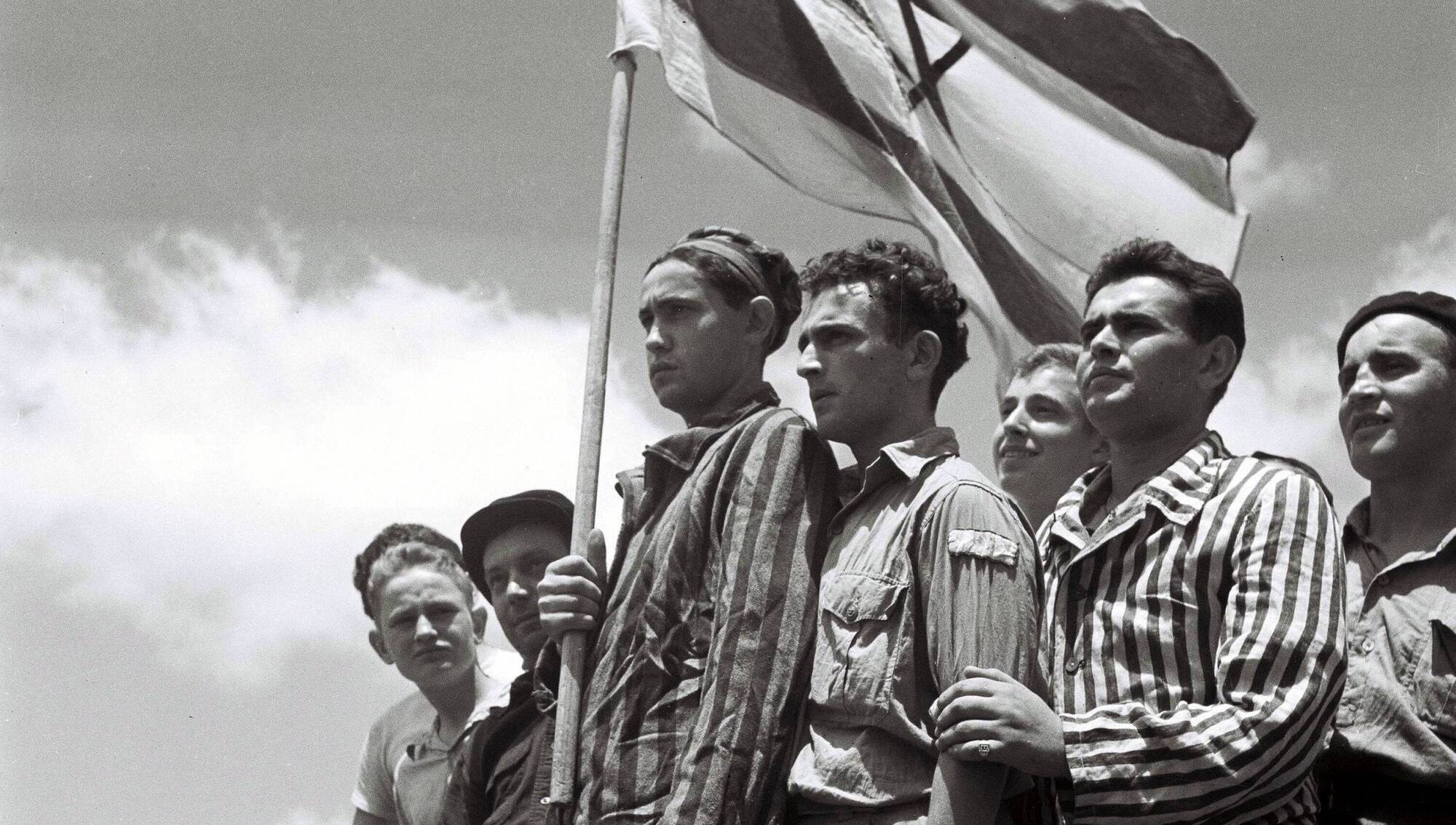
HAIFA, MANDATE PALESTINE - JULY 15, 1945: Jewish survivors of the Buchenwald Nazi concentration camp, some still in their camp clothing, stand proudly on the deck of the refugee immigration ship Mataroa July 15, 1945 at Haifa port, during the British Mandate of Palestine, in what would later become the State of Israel. (Photo by Zoltan Kluger/GPO via Getty Images)
Before Zionism was a political movement, Zion was a place, a promise, and an expression of longing. Turning that ancient name into an “ism” gave it a modern purpose: the creation of a Jewish national home. Today, the word can express belonging, describe a messianic ideology, or deliver an accusation.
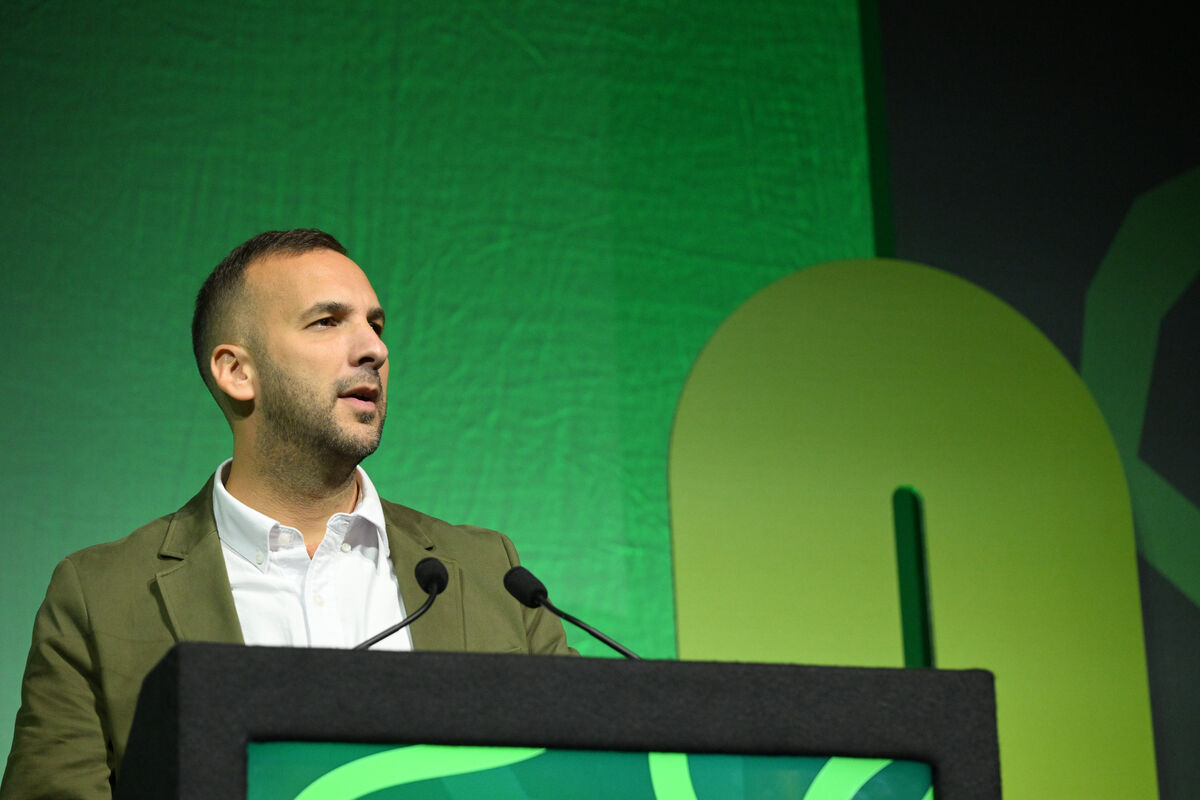
At their recent conference in Brighton, members of the Green Party of England and Wales voted to define it as racism. The motion passed by 1,022 votes to 813.
It defines Zionism as an ethno-nationalist political project and supports a single democratic Palestinian state throughout historic Palestine. The immediate consequence is a change in Green policy, formally establishing the party as anti-Zionist.
It changes no British law. How it will operate within the party remains contested. The dispute exposes a question larger than the Greens: when somebody calls themselves a Zionist, or calls somebody else one, what precisely do they mean?
The name begins with the Hebrew word Tsiyon. In the biblical account, Zion was the stronghold in Jerusalem, captured by King David. It subsequently became a name for Jerusalem more broadly and a symbol of Jewish attachment to the land.
Its deeper linguistic derivation remains uncertain. Across centuries of diaspora, Zion belonged to prayer, poetry, and the expectation of return.
But religious longing was not a blueprint for a modern state. Some religious Jews would oppose political Zionism precisely because they regarded restoration as a matter for divine intervention.
Modern Zionism emerged in 19th-century Europe, where emancipation promised Jews citizenship while nationalism frequently marked them as outsiders. Anti-Jewish violence in the Russian empire and antisemitism further west challenged the belief that integration would bring security.
For its early advocates, Jewish nationhood offered an answer: a persecuted people should determine its own future. Moses Hess’s , published in 1862, combined Jewish national revival with socialist ideas.
Leon Pinsker’s 1882 pamphlet argued that Jews could not depend on others to liberate them. Nathan Birnbaum is generally credited with introducing the term Zionism in 1890.
Theodor Herzl became its most influential political organiser. An assimilated, largely secular journalist, he published in 1896 and convened the first Zionist congress in Basel the following year. The movement sought a Jewish home in Palestine secured through international recognition.
Zionism, therefore, preceded the Holocaust by decades. Its biblical vocabulary clothed a recognisably modern ethno-nationalist project. Nor did it have only one meaning.
Other Jews rejected the premise altogether. The socialist argued for Jewish collective life and rights where Jews already lived. Some liberal Jews feared that declaring a separate nationality would undermine their citizenship elsewhere.
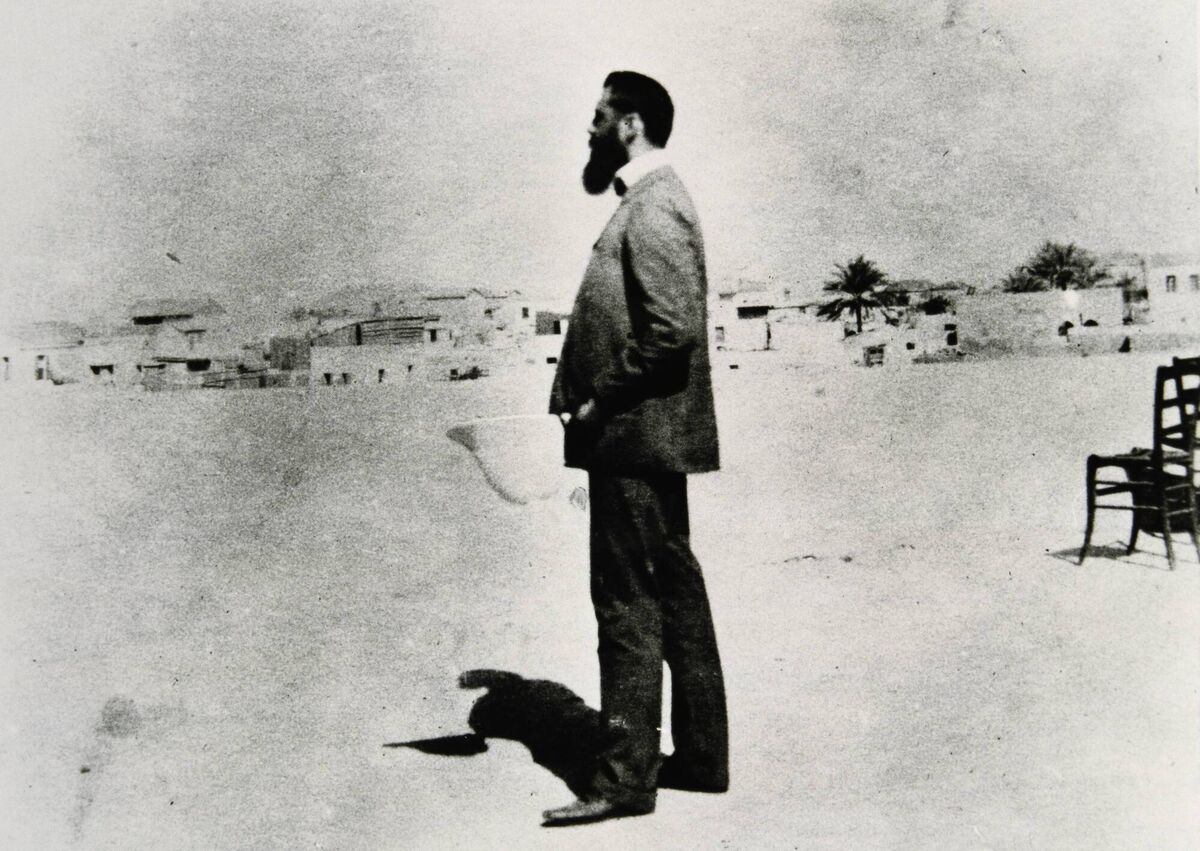
Opposition to Zionism was therefore part of Jewish political debate from the beginning. The argument was never simply between Jews supporting a homeland and outsiders objecting to it; competing visions of Jewish emancipation were also at stake.
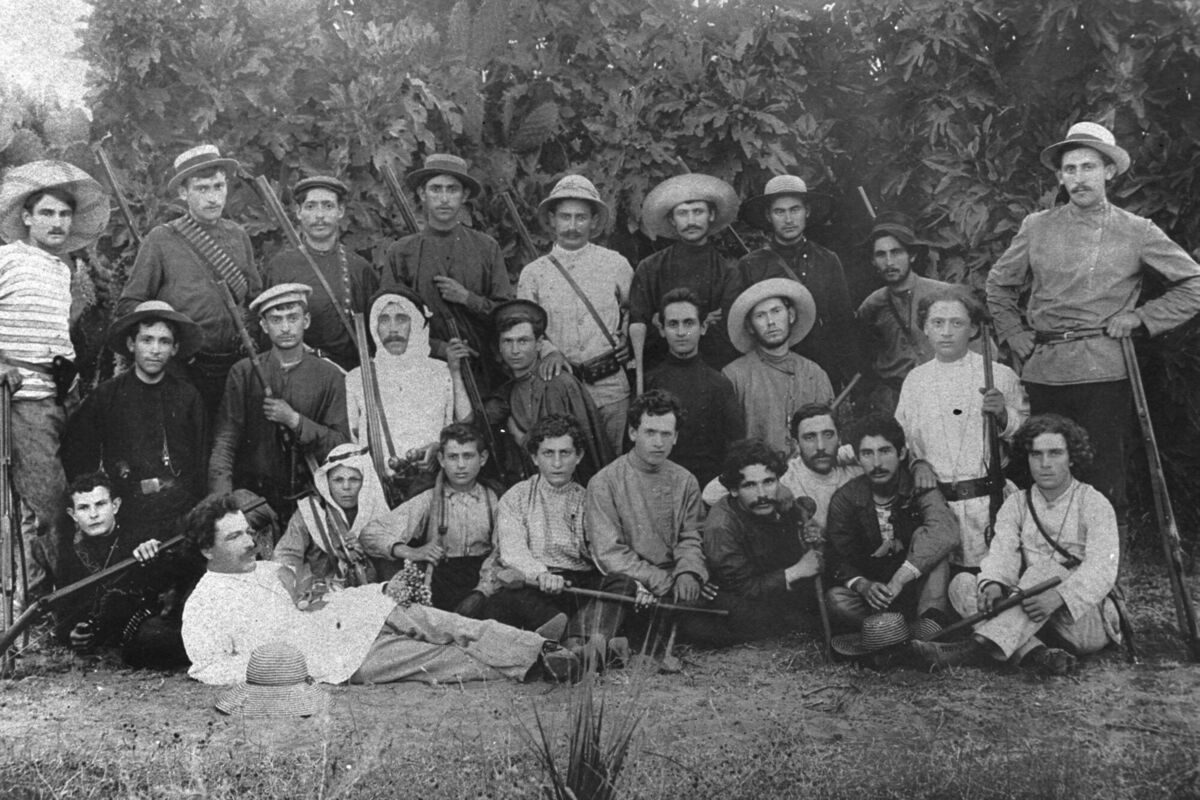
Ahad Ha’am championed a Jewish cultural and spiritual centre, emphasising Hebrew language and collective renewal. Labour Zionists combined national reconstruction with socialism, agricultural settlement, and the creation of a new society. Their institutions would help build the state.
Ze’ev Jabotinsky’s Revisionist movement stressed military strength and a more expansive territorial nationalism. Religious Zionists connected national revival with religious obligation. Christian Zionism, meanwhile, demonstrates that support for Zionism has never been confined to Jews.
These traditions differed over borders, religion, society and the purpose of nationhood. Their differences matter when a single word is made to explain everything from cultural attachment to territorial conquest.
There was, however, a difficulty that no ideological distinction could remove: Palestine was already inhabited. By Palestinians.
It had Muslim, Christian, and Jewish communities, with an Arab majority whose political aspirations could not simply be absorbed into somebody else’s national project.
Jewish historical attachment and Palestinian residence were both realities. Neither cancelled the other. One, however, tried.
Early Zionist thinkers were not uniformly oblivious to this. Ahad Ha’am warned against mistreating the Arab population.
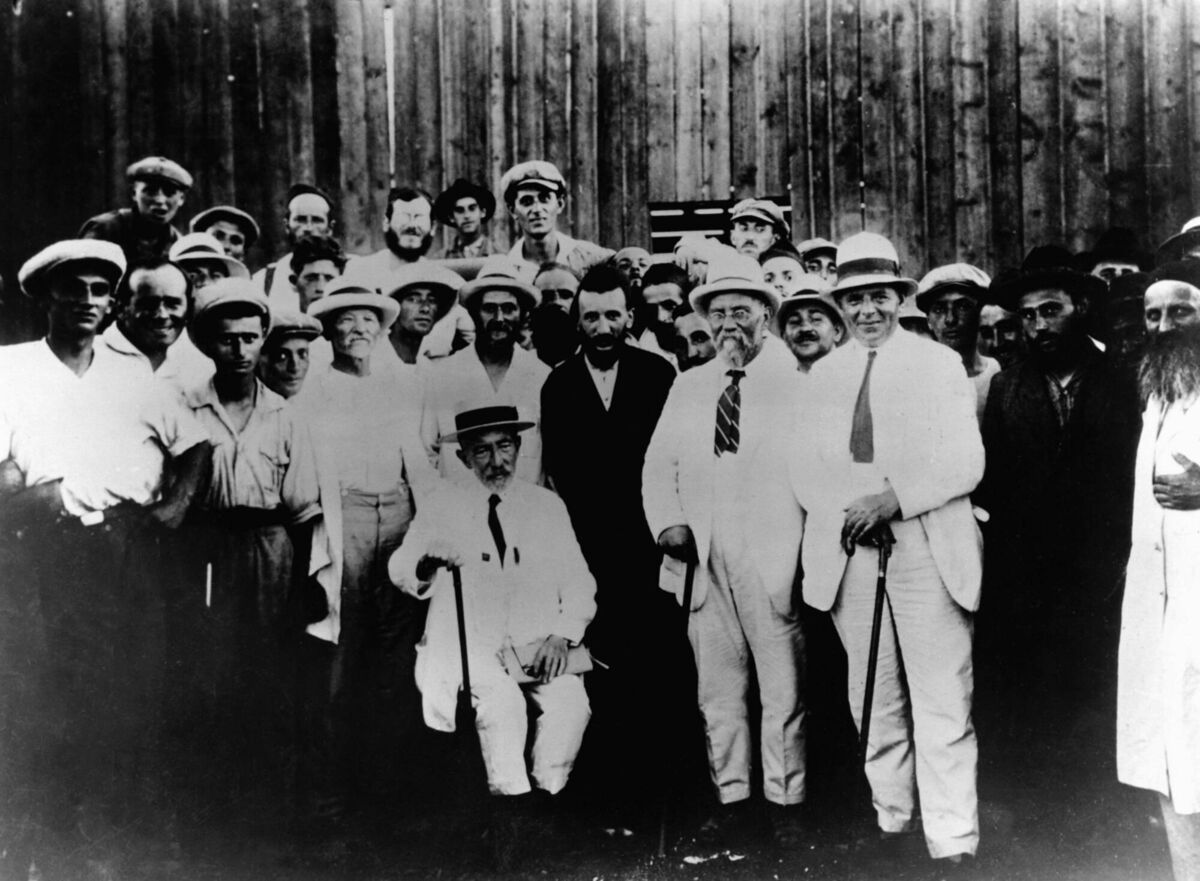
Palestinian opposition developed because immigration and illegal settlement increasingly carried the prospect of a state in which Palestinians would lose control of their own country.
Britain’s 1917 Balfour Declaration supported a national home for the Jewish people while promising protection for the civil and religious rights of Palestine’s non-Jewish communities. The distinction was revealing: one people was acknowledged nationally; the majority was described by what it was not.
British rule subsequently provided the framework in which Zionist institutions and immigration developed, alongside mounting Arab resistance.
The Holocaust gave the demand for refuge a terrible urgency. Six million Jews had been murdered. Survivors encountered closed borders and continuing antisemitism. For many, a Jewish state meant the possibility of living beyond the vulnerability of minority status.
In 1947, the UN proposed partition into Jewish and Arab states. The Jewish Agency accepted the plan; Arab leaders rejected it. Fighting between communities was followed by war involving neighbouring Arab states after Israel declared independence in May 1948.
For Jews who welcomed it, Israel represented national independence and sanctuary. For Palestinians, its establishment brought the horrors of the Nakba, or catastrophe: approximately 750,000 people fled or were expelled, and were subsequently prevented from returning.
The same historical transformation produced Jewish statehood and Palestinian dispossession. Any explanation that suppresses either becomes an account of only one people’s history.
Statehood also changed Zionism’s task. A movement to establish a homeland became a set of arguments about the character, security, and boundaries of an existing state.
The 1967 war changed those arguments again. Israel captured the West Bank, East Jerusalem, Gaza, Sinai, and the Golan Heights. Its occupation of Palestinian territory placed millions of Palestinians under Israeli control.
Gush Emunim (the "Bloc of the Faithful") was an Israeli messianic and religious Zionist movement founded in 1974 that sought to establish Jewish sovereignty over territories captured in the 1967 Six-Day War.
Driven by the belief that settling the biblical Land of Israel was a sacred command that heralded divine redemption, the group bypassed government restrictions to establish unauthorised settlements across the West Bank, Gaza, and the Golan Heights.
Although the formal organisation dissolved in the mid-1980s following the exposure of a radicalised violent faction known as the Jewish Underground, its ideology and offshoot institutions laid the permanent foundation for the modern Israeli settler movement we see today.
The language used in Brighton has its own history. In 1975, the UN General Assembly declared Zionism a form of racism and racial discrimination. It revoked that determination in 1991.
The argument survived both votes.
Today, some people use Zionism to mean Israel’s continued existence as a Jewish homeland, compatible in their view with Palestinian statehood. Others invoke it to justify permanent Israeli control and deny Palestinian sovereignty.
Critics understand it as an apartheid system that privileges one people’s national rights at another’s expense.
Israel’s genocide in Gaza and continuing violent dispossession in the West Bank have intensified its use as a pejorative. But treating every self-described Zionist as an advocate of expulsion obscures differences.
Treating Palestinian opposition as merely a misunderstanding obscures lived experience.
The necessary question is what somebody advocates: refuge, national self-determination, equality, ethnic supremacy, or permanent control over another people.
A biblical name became a modern movement, then the language of a state and its opponents.
Understanding Zionism requires following that history, and asking whose freedom each use of the word promises — and whose it leaves out.

CONNECT WITH US TODAY



Be the first to know the latest news and updates