Parents, do your homework: Back-to-school tips to keep your kids on track
As thousands of pupils prepare to return to the classroom, Jonathan deBurca Butler asks principals and teachers for advice to make the journey smoother
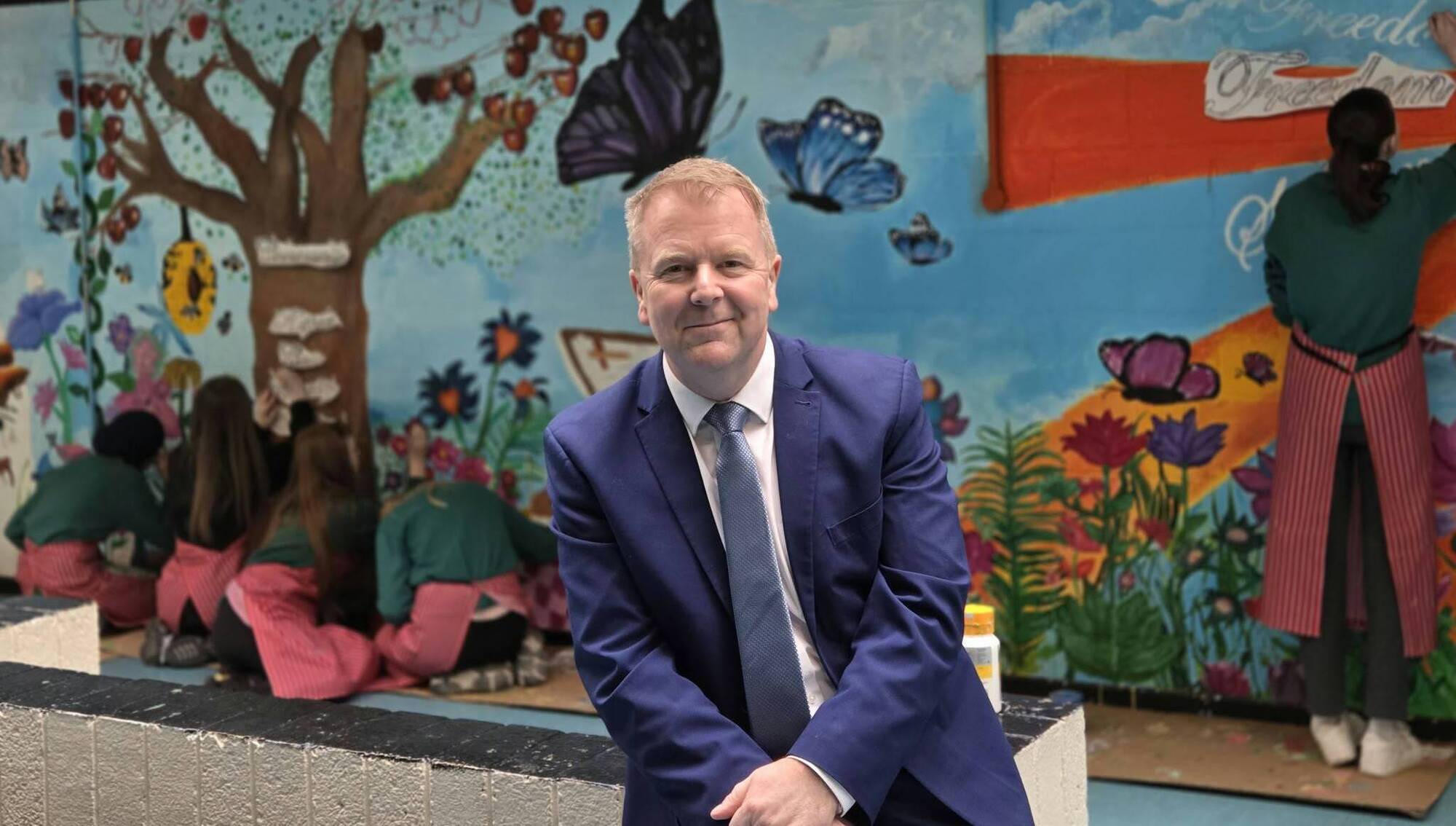
Kevin Shortall, principal at St Aidan’s Community School in Tallaght, Dublin, puts communication at the heart of his ethos.

Kevin Shortall, principal at St Aidan’s Community School in Tallaght, Dublin, puts communication at the heart of his ethos.

We all remember that sinking feeling. You’re sitting in the passenger seat of your mother’s car after another summer’s day of youthful abandon when, suddenly, an ad bursts gleefully from the radio, telling your mother that the tight white shirts and clammy grey trousers that make up your next school uniform are now on sale.

Well, it’s that time of year again. The back-to-school stampede has begun.
For the next few weeks, media will be wall-to-wall with the do’s and don’ts of everything, from uniforms and lunchboxes to copy books and crayons. Much of the advice will be geared towards parents and will be given by parents, but what do those who look after our children’s welfare have to say?

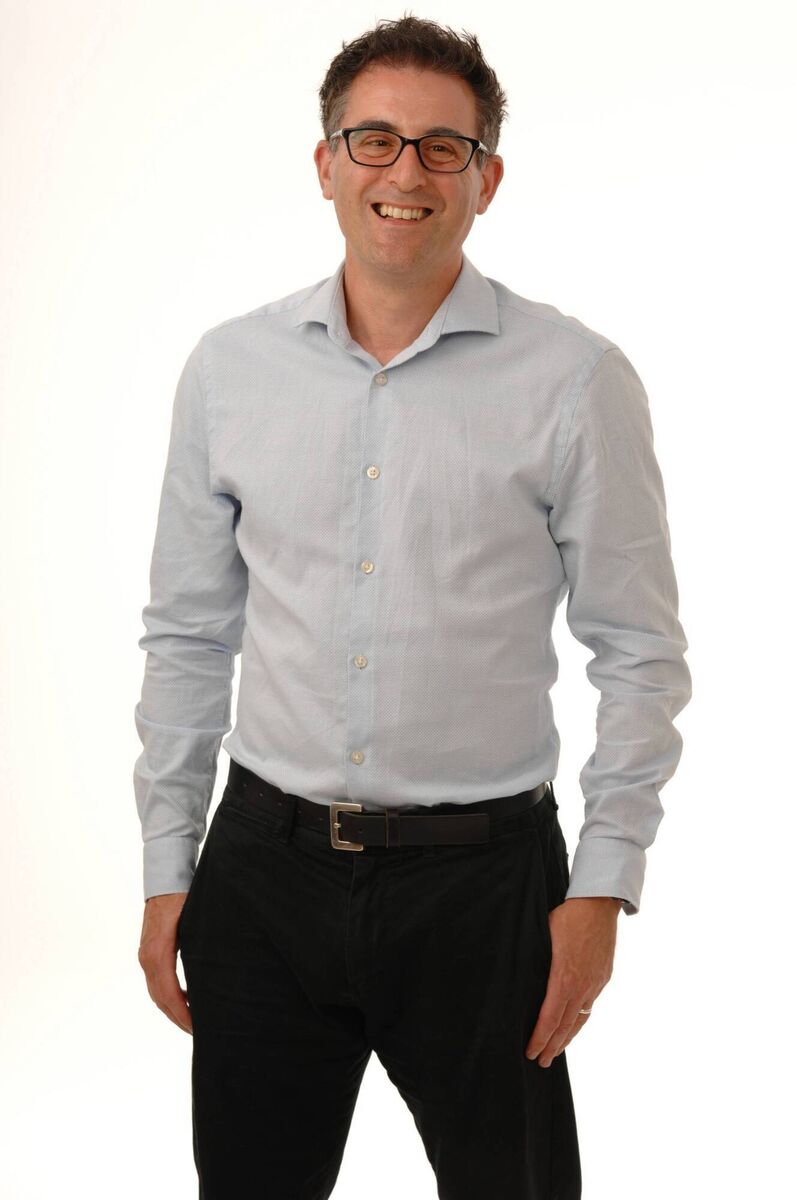
“At this time of year, parents start waking up to the fact that school is coming back,” says Simon Lewis, Principal at Carlow Educate Together. “So I’m here to field questions and make sure everything is in order in the school. I always look forward to going back. I love the buzz of the job.”

Lewis has worked in primary education for almost 25 years, and for the last eight, has hosted the well-known If I Were Minister For Education podcast.

“It’s different every day,” says the 47-year-old. “I always say you’re only a second away from complete disaster, but there’s joy and energy. For anyone who likes high-energy places, schools are great.”

Simon Lewis, Principal at Carlow Educate Together, says: “I always look forward to going back. I love the buzz of the job"

On August 27, his primary school will be back at full throttle, and grappling with the needs and welfare of hundreds of pupils all deserving of the same attention.

“It’s important to remember that schools are communities rather than just a service,” says Lewis. “Sometimes, expectations that parents might have about what schools can offer can’t be matched by reality, and that’s generally because other things around us are collapsing.

“If we think about children with additional needs, for instance, they might need occupational therapy, speech and language therapy, and lots of those doors are closed, but schools are open.

“We’re here for them, but we can only do so much. I understand that parents are fighting tooth and nail for their children, and so they should, but we are on the parents’ side and I’d love them to know that.

“I don’t know of any teacher, or SNA, or anyone working in a school who doesn’t want the best for every child that’s there.”

While Lewis is aware a teacher’s best might not always be enough, he wants parents to keep in mind that their efforts are always “coming from a good place”. He sees the development of “a relationship with a family” as the key to success. In this regard, he encourages parents to play their part and, as the saying goes, Tús maith leath na hoibre (a good start is half the work).

“Getting to school on time is probably more important than it ever was because there’s so much going on at the start of the day,” says Lewis. “If a child is coming late to school, they can sometimes be catching up with themselves so I think when a child is on time, it helps with the settling-in process. In most schools these days there’s a morning meeting where the teacher goes through the day and settles them in. They maybe find out what’s going on with their lives and they have a little circle time to find out how people are feeling. When you miss that, it’s like you’ve missed the start of an event.”

At the end of the month, thousands of pupils across the country will be moving away from circle time and the relative comforts of primary school to the often more daunting secondary.

“Support from home is very important when children are going into first year,” says John Byrne, geography teacher and assistant principal at Hamilton High School in Bandon, Cork. “They’re going to find an enormous difference.

“They have come out from being the seniors in primary school and now they’re back to being the juniors again. They will obviously feel nervous, a little bit like fish out of water, and some will find it easier to make friends than others.

“If they’re not settling in, don’t be afraid to approach a teacher or their year head or even the guidance counsellor,” advises Byrne. “Don’t be afraid to talk to somebody. At the same time, give a little time for everything to settle in. Despite cutbacks, there are lots of support measures in place to help students adapt.”

In his almost 35 years of teaching, Byrne has seen the introduction and development of the often-maligned Transition Year (TY). Despite scepticism around it, he feels that TY should be embraced for all the opportunities and experiences it potentially offers developing children.

John Byrne, geography teacher and assistant principal at Hamilton High School in Bandon, Cork, has particular advice for children starting at secondary school

“There has been a lot of criticism around it, but I’ve seen a lot of students come out of themselves and begin to blossom in Transition Year,” says Byrne. “They come across talents that they didn’t even know they have because they get to do different things. In many cases, it is a huge help towards their personal development and you can learn a lot of life skills.”

Like Byrne, Kevin Shortall, the principal at St Aidan’s Community School in Tallaght, Dublin, puts communication at the heart of his process and emphasises keeping lines open, both at school and at home.

“One great tip I learnt years ago, and I still advise using it today, is that parents get a whiteboard and stick it up at home where they study,” he says. “If you open the journal and write a few things on the board — a name that has to be remembered or a project that needs to be completed, books that are required for the rest of the week or maybe something that went well that day. Just so it’s there and there’s a physical representation of it. You can then discuss it with them and it doesn’t have to run into a row.

“That’s not just about being prepared; there’s a secondary thing there about them feeling in control. If they feel in control, they won’t fear school as much and they feel like they’re getting somewhere and making progress. Nothing is more important than that.

“It’s not about having the answers to questions; it’s about the feeling of being involved, in control, and having some sort of success. And part of that is having that conversation: ‘How did it go today’? ‘What’s on tomorrow?’ And write it up on the whiteboard.”

While not everyone can go rushing off to Ikea for the latest whiteboard, having that focal point as a vehicle to start a conversation about the school day is an interesting idea.


For parents, back-to-school can become an exercise in lists or a frantic search for that last missing book. For children, it’s often less about the right lunchbox or academic excellence and more about finding their place, making friends, and learning how to manage the pressures that come with growing up.

Teachers and principals may not have all the answers, but they can and do give our children a sense that they are not navigating life alone. They need our help to help them help our children.

After all, a good start is half the battle.

x

More in this section

Cookie Policy Privacy Policy Brand Safety FAQ Help Contact Us Terms and Conditions

© Examiner Echo Group Limited