Why salon visit is not cut and dried for the neurodivergent child
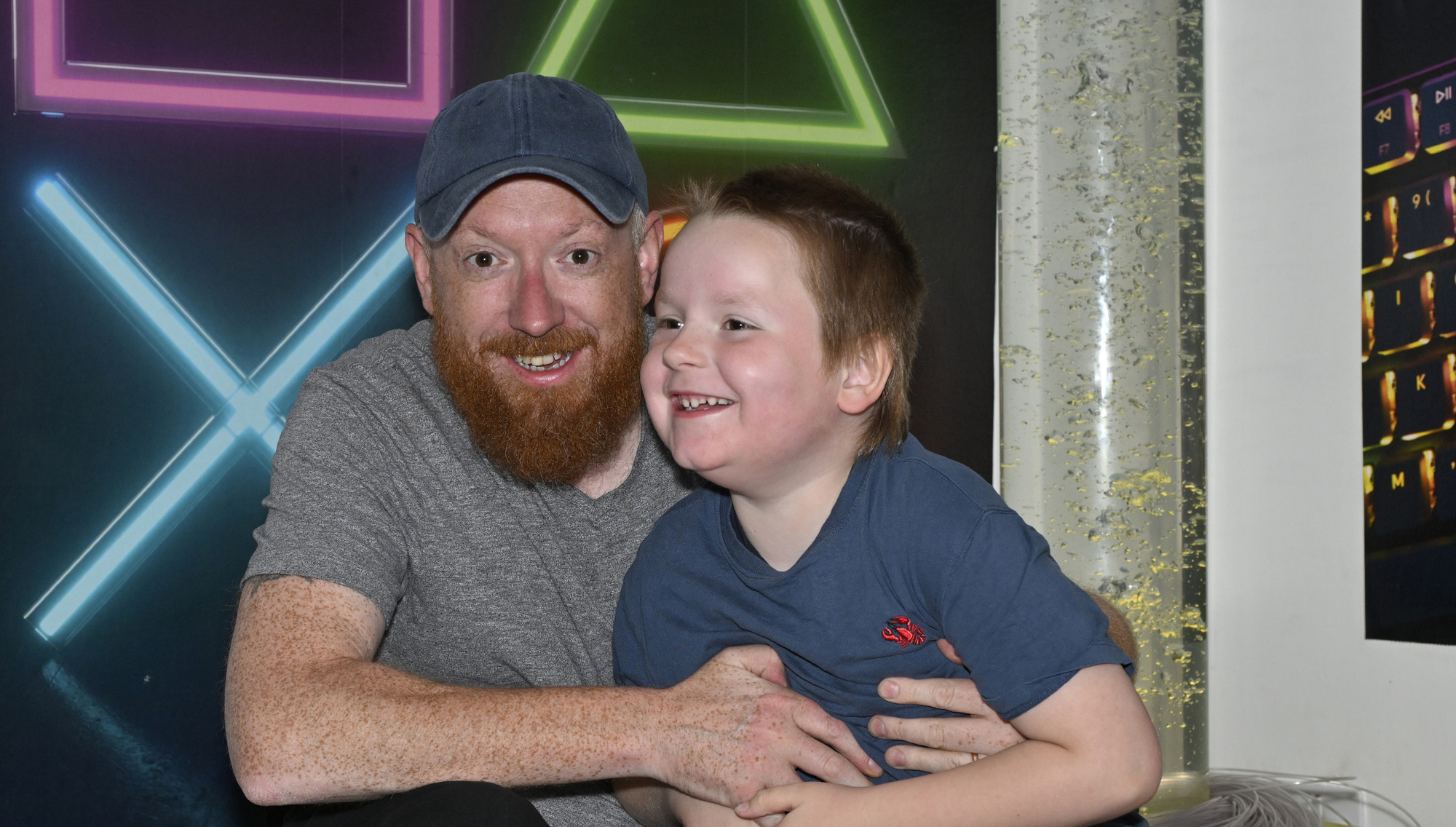
Artie at Flourish & Be Artie Carey with his dad Pat. Picture: Martin Walsh.
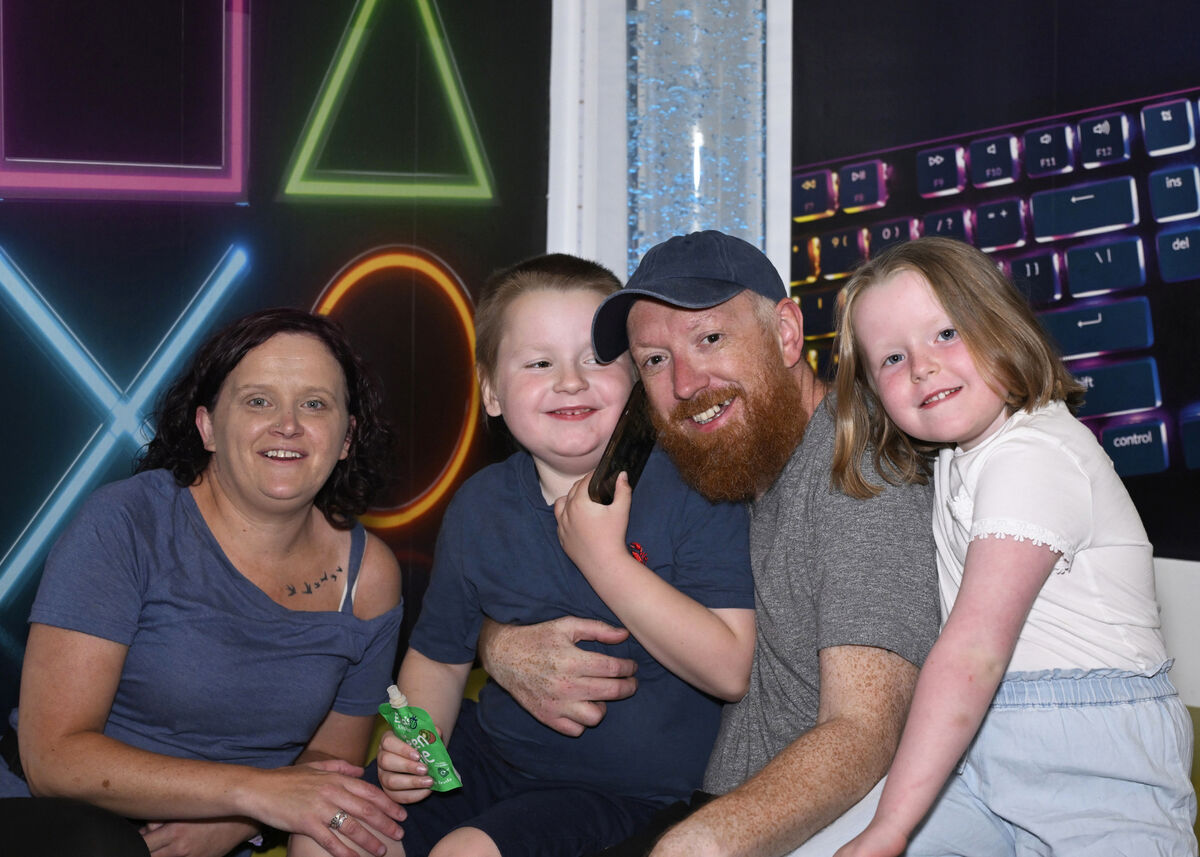


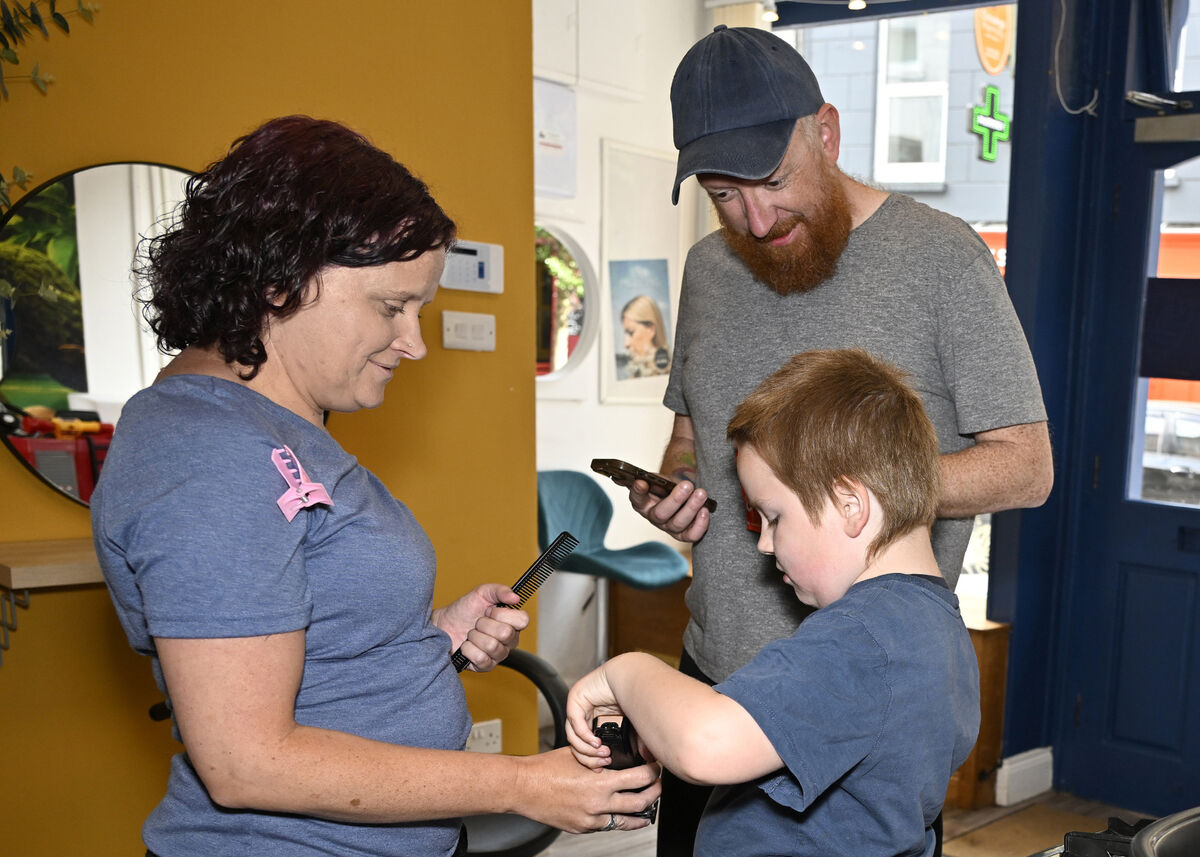

“You’d see them come in and they’re kind of quiet and they’re watching like a hawk, and that’s when I really include them that little bit extra, like [asking] ‘How’s this length? Do you want me to take it a tiny bit shorter?’...I’ll just stop and step back to ask, ‘How do you feel about this now?’ ”
- Ensure that the voice of the child is central to the return-to-school process. Where possible, identify with the child what key information they would like to share with the new teacher and SNA. Let new teachers and SNAs know of the skills they already have, ones that they are still developing, and ones that they would like to practise on their own.
- Use a family or personalised calendar to provide a sense of clarity on return-to-school dates. Use simple visuals to represent the schedule of the school day. If a child is transitioning to a post-primary school, practise using or reading a timetable, and colour-coding books and materials by subject.
- Will they be driven by a parent, guardian, or take a school bus for the first time? Consider what life skills they may need: Road safety, buckling a belt, alighting a bus, lining up, crossing at a zebra or lollipop crossing.
- What fine motor skills might the young person benefit from developing to support them in being more independent? This may be dressing, buttons, lunchboxes, or bottles. For older children, this may be using a locker, managing their keys, or using a combination lock.
- Identify with your child the preferred foods that will be available for their school lunch and, if availing of hot lunches from the school, look at sample menus. Work with your child to understand structured break times.
- Gradually change the time of the bedtime routine by a few minutes each night. Use visual schedules to create a bedtime routine, such as putting on pyjamas and brushing teeth. Practise laying out clothes the night before to reduce anxiety in the morning.
- Ensure that the child is provided with ample time before school. Aim for a discreet time for your child to engage in regulating activities before leaving the house.
- Drive by the school setting. Gather photos if possible. Use the school website as a resource.
- See AsIAm.ie for more online resources


CONNECT WITH US TODAY



Be the first to know the latest news and updates