Feeling the heat: Challenge to provide cooler spaces in urban settings
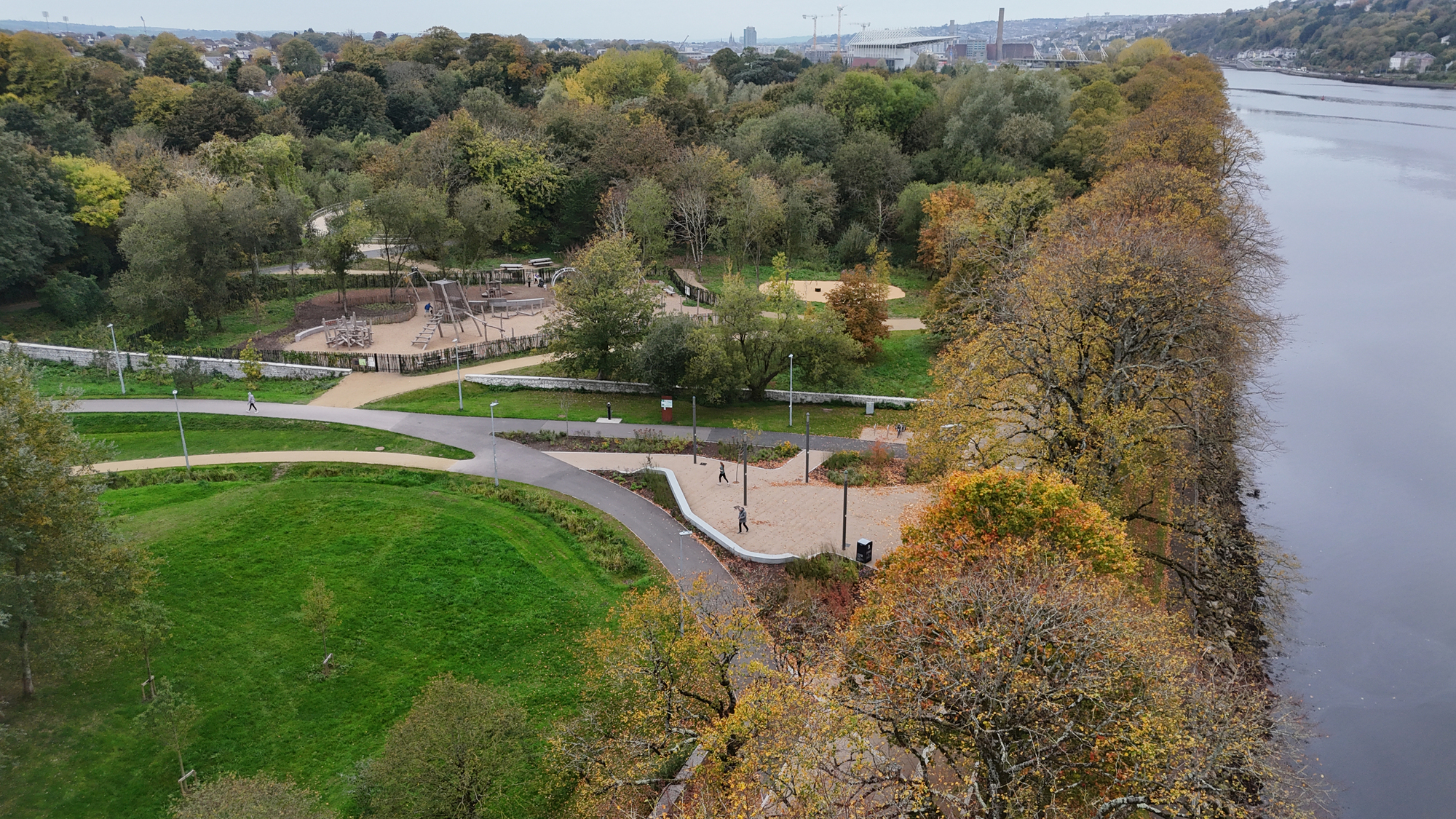
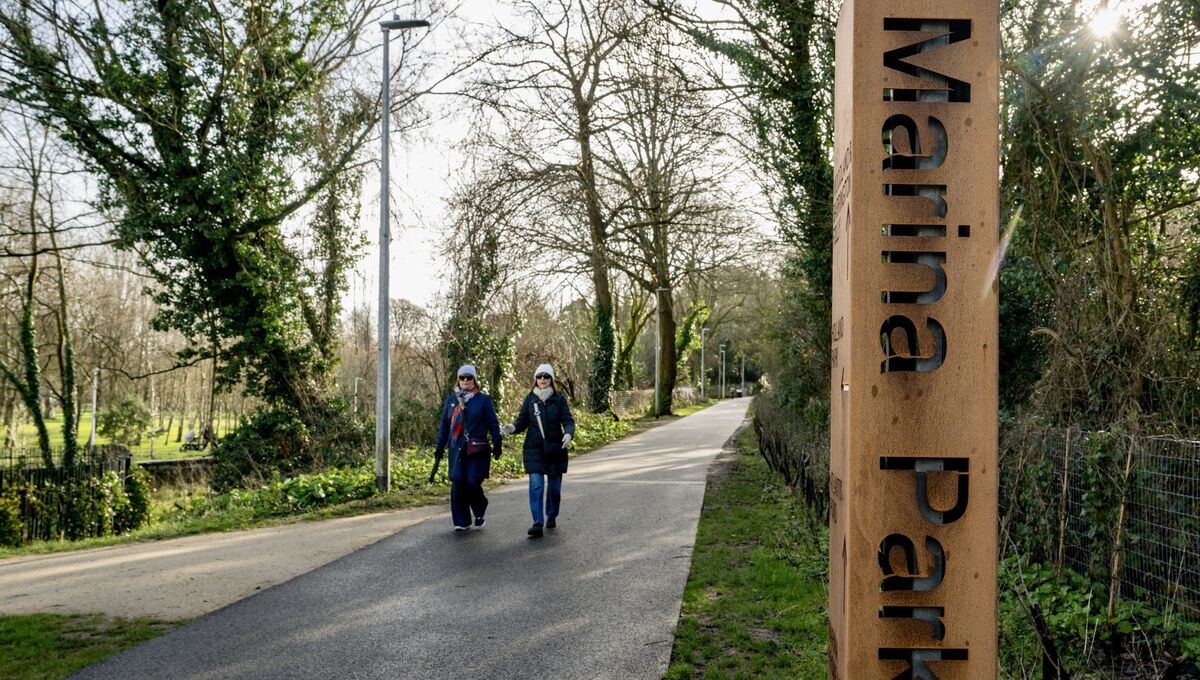
The EU has a ‘greening cities’ programme which aims to create greener, cleaner and healthier places to live. Already Cork has done well in this regard as evidenced by the development of Marina Park. Picture: Larry Cummins
Anyone visiting a city, or built-up urban area, from the countryside during the recent heatwave must have noticed a marked rise in temperature. Temperatures in Cork city, for instance, were at least 3C higher than in surrounding rural areas.
This is the Urban Heat Island (UHI) effect whereby hard surfaces such as tarred roads, footpaths and buildings trap more heat than rural areas and natural landscapes.
The EU has a ‘greening cities’ programme which aims to create greener, cleaner and healthier places to live. In other words, bring nature with trees, parks and the like into these massive built-up areas.
Already, Cork, Dublin and Limerick have done well in winning various EU awards for their efforts in this respect.
But, with a growing population and consequent demand for ever more land for housing, roads and commercial buildings — not to mention more frequent, intense heatwaves — the challenge to provide ‘greenery’ is daunting.
Prof Gerard Mills and Dr Ankur Sati, of University College Dublin, who have researched the UHI phenomenon, point out that the traditional response to heat events has been to use air conditioning to cool indoor air.
This is expensive and, anyway, air conditioning is not really a viable solution to urban heat stress as the waste heat it generates contributes to outdoor heat.
Instead, they tell us, what is needed are nature-based solutions to mitigate global climate change by using less energy and, at the same time, modify the urban landscape to reduce UHI magnitude.
They continue: “This requires changes to urban design and planning to reduce the paved area in cities, strategic planting of trees and the creation of more green spaces. Such changes will help address the urban impacts on temperature, hydrology, and biodiversity.’’
With a growing need for shade and cooling, green spaces were probably never more important in cities, promoting physical and mental health, and biodiversity, as well as providing places to exercise, relax and connect to nature.
In Cork city, some outstanding work has been done in the Marina and the vicinity of Páirc Uí Chaoimh.
Also, the city council recently announced a pilot scheme for St Patrick’s Street. The aim is to have a more welcoming space for people in the very heart of Cork, with new seating and planters for shrubs and trees, as well as changed transport arrangements.
Finally, research has spotlighted the positive effects of nature on mental health. Studies show city residents have a 40% greater likelihood of suffering depression, but urban folk living closest to large, green spaces are significantly less likely to have poor mental health.


CLIMATE & SUSTAINABILITY HUB
CONNECT WITH US TODAY



Be the first to know the latest news and updates