Wild Matters: Farmer-led initiative helping reveal the magic of moths
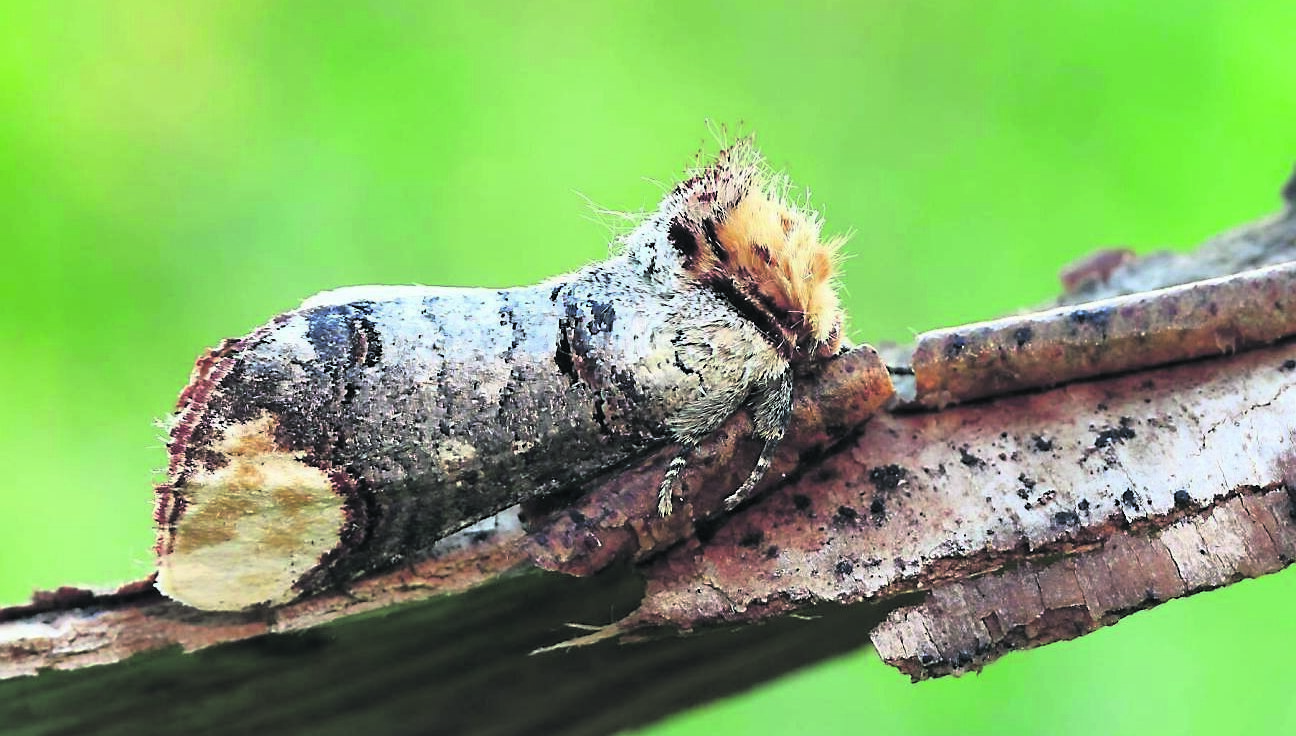
The pale wings of the buff tipped moth match exactly with the pale mottled bark of birch trees and round brown ends mimic the broken end of a birch twig.
A lot of people think of moths only as annoying creatures who make holes in our clothes and chomp through heirloom woollen rugs. I went to a short play in Dublin about moths, excited to see how the producers would convey their beaty and diversity to their audience. I was gutted to discover that the play was entirely focused on the cloth eating ways of the 2 species here that eat cloth.
Meanwhile, the other 1,503 moth species native to Ireland are busy providing essential pollinating services and supporting food webs for wild birds and bats. Yet out of these 1,505 species, we fixate on the two species whose larvae eat clothing. The tiny caterpillars of clothes moths feed on keratin, a protein found in natural fibres such as wool. These little larvae like to chomp away in the undisturbed darkness of unventilated spaces, which is why they thrive under furniture, in boxes, or other such places where clothes are stored away for a long time. For this, we often hear the word ‘moth’ as synonymous with the annoyance of ruined jumpers or woollen jackets. I too have been upset to discover some of my favourite clothes full of moth holes after being stored away for a year, but these moths are in no way representative of their kind.
Now that we have cleared that up, I’d like to take a look at the relevance of moths. Because moths are so abundant, they are a key component of wild food chains. Think of the Cuckoo we love to listen to in April, May and June. Cuckoos feed exclusively on hairy caterpillars, most of which are the caterpillars of moths. Fox moth, Garden Tiger Moth, Magpie moths, Pale tussock moth, Drinker moths and Gypsy moths are some of the moths whose caterpillars are exceptionally hairy, otherwise known as ‘hairy mollies’. Incidentally, the name hairy molly comes from the Irish word for eyebrows: malaí, because these caterpillars look like big bushy eyebrows.
Robins, blue tits, warblers and dozens of other song birds who provide the soundscape for our world all depend on the caterpillars of moths, especially during the breeding season when they need a steady supply of protein rich sustenance for their nestlings. Bats, emerging at dusk to feed on flying insects, feed on adult moths on the wing, taking over the night shift from butterflies and birds.
Moths are also pollinators, complimenting and augmenting the work of day-flying pollinators. Where bees get all the credit, many moths feed on flower nectar, and while feeding, they pick up pollen grains on their furry bodies to be transported to the next array of flowers that they feed from. Each species has its own unique affiliation with certain trees or wildflowers, laying their eggs on specific plants that are the caterpillars food plant. As such, their life cycles are intricately enmeshed with the timing and abundance of certain wild plants.

Many moths have special affiliation with native trees, and in many cases the adaptation is quite specific. For example, the buff-tip moth has evolved especially to camouflage itself perfectly on birch bark, with pale wings matching exactly with the pale mottled bark of birch trees and round brown ends mimicking the broken end of a birch twig. Birch trees are home to over 100 species of macro moths (macro moths refer to larger moths, as opposed to the tiny, much harder to detect, micro-moths) along with hundreds of other invertebrates all sheltering between the horizontal crevices of the trunk, feeding off the lichens, the bark, leaves, and each other. Native willows provide food and shelter to well over 100 macro-moth species and countless other micro-moths. Oak and hazel too are richly inhabited hubs of invertebrate life with dozens of moth species specifically adapted to live among them. The more native trees and shrubs in the landscape, the richer and more resilient these populations will be.
Ireland even has a handful of endemic moths - species that occur here and nowhere else, including the Irish Annulet, Mere’s Pug, Burren Green, and White Prominent. But all this diversity and abundance is very much at risk. Many moth species have been declining in range and in abundance here since the 1970’s, to the extent that 43 species are now threatened with extinction here, while the fate of micro-moths, much harder to monitor, remains unknown.
Rapidly changing land use, including agricultural intensification, wetland drainage and industrial afforestation have all been removing the wild plants from the ecosystems that sustain moths and other invertebrates. Increasing use of pesticides also impacts moths, along with butterflies, wild bees and other invertebrates. This in turn places pressure on cuckoos, other wild birds and bats - species that are reliant on moths as a food supply. The wildfires that have scorched swathes of Ireland’s uplands in recent weeks will assumedly also take a major toll on the moths and other invertebrates that once lived there.
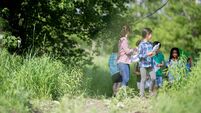
A new initiative called the ‘Farmer Moth Monitoring Project’ is helping farmers to monitor moths on their farms. By stetting up moth traps on various parts of their farm and checking the traps in the morning, farmers get to see the diversity of moth species living in parallel with us, unseen and unknown. With the help of experts to identify the moths, data from the moth traps contributes to the monitoring of moth populations across the country, augmenting the data gathered by moth enthusiasts as part of ‘Moths Ireland’ network to date.
I have spoken to farmers participating in the ‘Farmer Moth Monitoring Project’ who are excited and awed at the diversity and beauty of moths that they now frequently observe in the moth traps on their land. Before this summer, they had no idea of the world of moths, nor how their decisions might impact them. Now a national, farmer-led project, facilitated by Biodiversity Ireland, it is revealing the secret inhabitants of the grasslands, hedges, woods, wetlands, and riverbanks that make up farmland habitats, making unseen wonders visible and perhaps also helping to appreciate and value these staples of our ecosystems.