On the fly: Insects play key role in environmental and human life
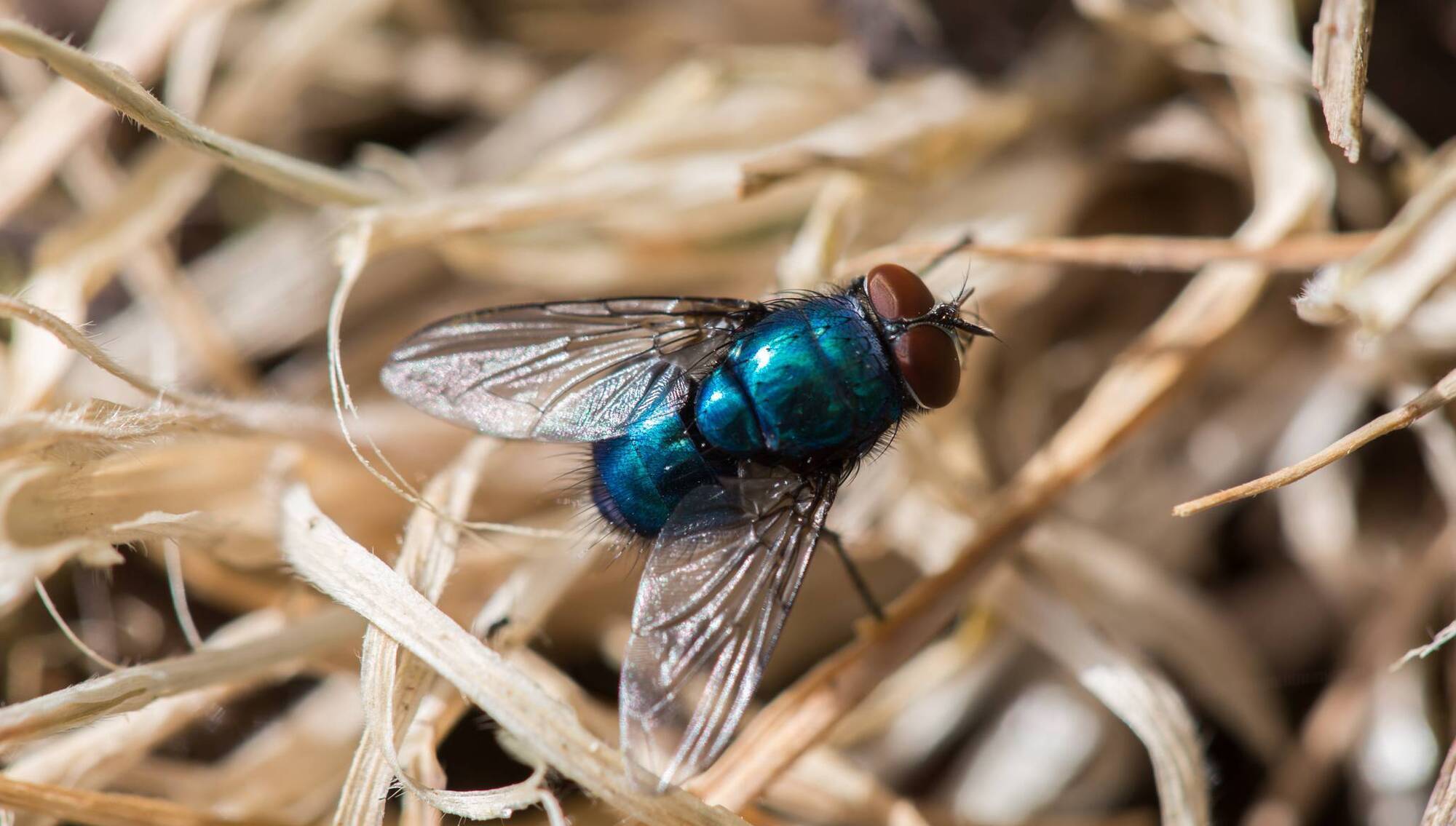
Up to one-third of our insect species are extinction-threatened due to pollution, intensive farming and habitat loss. Pictures: iStock
Everybody seems to be complaining about huge numbers of pesky insects, seen and felt day and night, during the heatwave.
Midges, fleas, ants, dragonflies and bees seem to be having a mighty time of it in the warm weather. All have important roles to play in human and environmental life: the next time you hear someone grumbling about insects causing a nuisance ask them to think again.
No less a personage than David Attenborough once said: “If we and the rest of the back-boned animals were to disappear overnight, the rest of the world would get on pretty well. But if the invertebrates were to disappear, the world’s ecosystems would collapse.’’ Insects have several major functions, like aiding decomposition and nutrient recycling, seed spreading, pollination and a food source.
Take the ubiquitous midge. This tiny fellow is a food for birds and bats and also helps break down decaying plants.
By recycling dung, dead tree trunks and carcases of dead animals, insects in general enable soil fertility and reduce the possible spread of diseases.
The need for further research prompted me to take down again an informative book, , by Stephen McCormack and Eugenie Regan, with illustrations by Chris Shields.
Stephen, an entomologist (insect expert) and Eugenie, an ecologist, provide plenty of useful knowledge about the hidden world of Irish insects — butterflies, dragonflies, ladybirds, bumblebees, various bugs, grasshoppers and earwigs — 128 species in all.
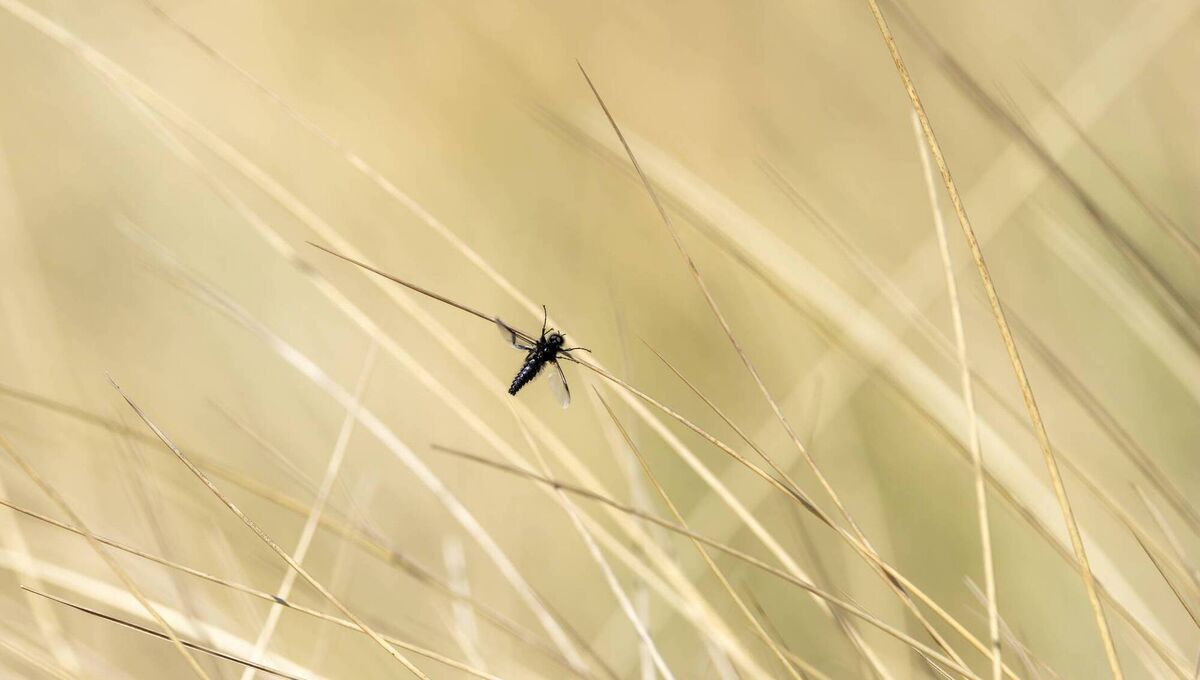
Up to one-third of our insect species are extinction-threatened due to pollution, intensive farming and habitat loss. “This is a worrying trend, not only a cause for wildlife loss in general but also in terms of the essential ecosystem services that these small, inconspicuous creatures provide for us,’’ they state.
People, of course, can do things to help, like creating ponds, looking after trees, having small wildflower meadows, or building a bug hotel, to mention a few.
Insects feature strongly in folklore, sometimes seen as links between this world and the next. Butterflies, especially, are symbols of beauty, joy and spirituality, even as dead people returning in a new form.
Kaitlyn Elverson, of Buglife, the European organisation for insect conservation, says whether people see them as spiritual messengers, as protagonists of stories, or just the amazing creatures that live on this earth with us, they remain important.
“We rely on insects for many things that go unseen, yet we remain scared, or weary of them. Instead, we should marvel at what they do for us, respect them and pass on the knowledge and wisdom that they offer through their stories and folklore,’’ she adds.


CONNECT WITH US TODAY



Be the first to know the latest news and updates