Paradise lost: Tourist taxes and the price of visiting beautiful places
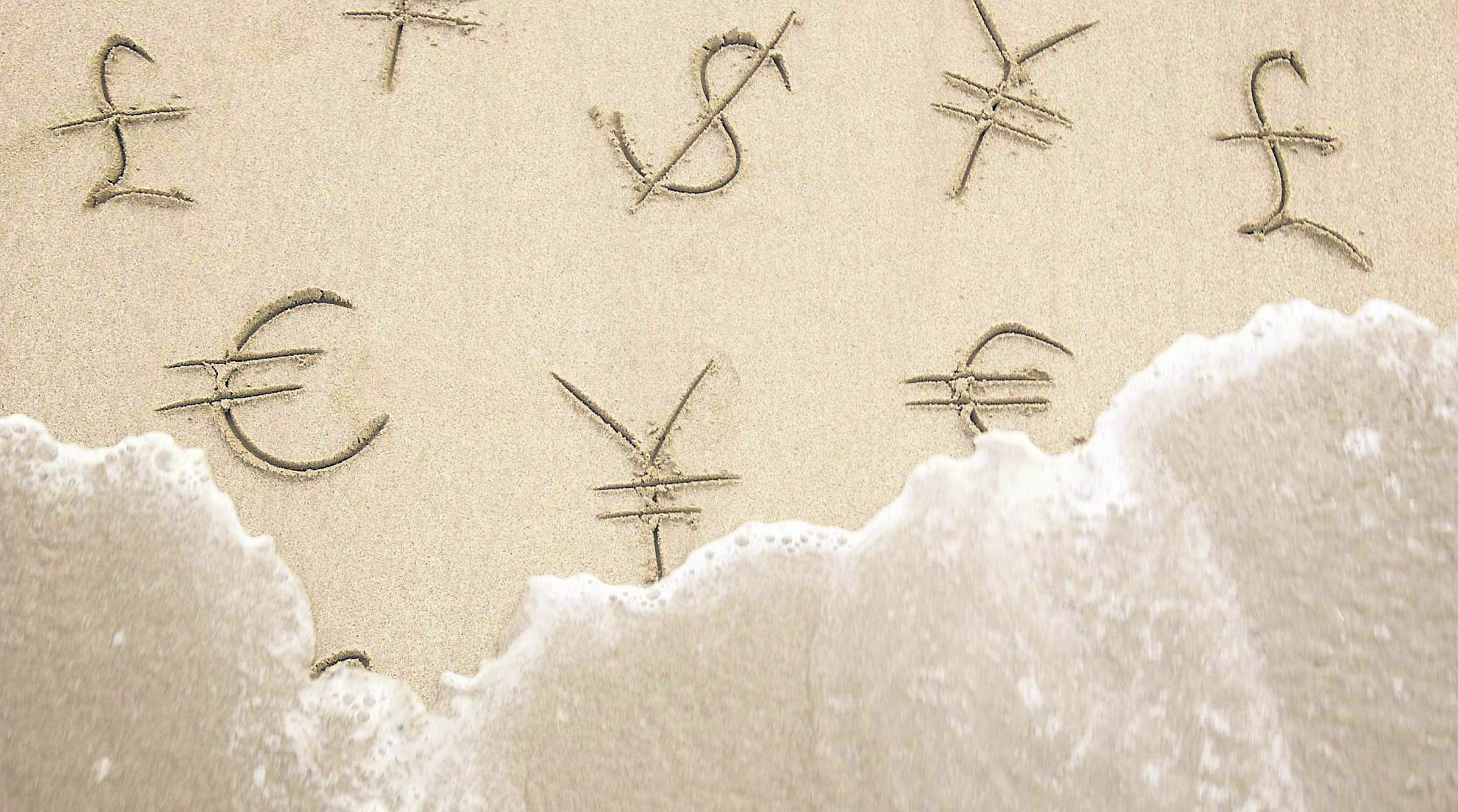
Tourist taxes are not absolution for travelling. They are not proof that tourism has become sustainable. And they are certainly not a licence for unlimited growth. They are simply one way of making those of us fortunate enough to travel contribute towards the places we enjoy.
There was a time when the unpleasant surprises on a holiday bill were fairly predictable. Such as excess baggage charges, airport sandwiches priced like luxury goods, or discovering that five minutes from the beach was apparently measured by helicopter. Now there is another increasingly common extra, which is a charge for the environment you have travelled to see.
Tourist taxes are cropping up from Venice to New Zealand. On the face of it, the logic is hard to argue with. Tourists put pressure on places, so tourists should help pay to protect them. And there is plenty to pay for. Tourism is often treated as a relatively benign industry because its environmental impacts are less visible than a factory chimney or an open-cast mine. But a 2024 study in Nature Communications estimated that tourism was responsible for around 5.2 billion tonnes of greenhouse-gas emissions in 2019, equivalent to roughly 8.8% of the global total. More strikingly, tourism emissions grew by around 3.5% a year between 2009 and 2019, twice the rate of growth in emissions from the global economy. In other words, we have become somewhat better at travelling efficiently, but much better at travelling more. And carbon is only part of the story. Tourists use water and energy, generate waste and sewage, put pressure on roads and public transport and, understandably enough, tend to congregate in some of the world's most beautiful and environmentally sensitive places.
We are peculiar creatures. I say this while packing my holiday bag. We travel thousands of kilometres in search of somewhere unspoilt, then become faintly irritated when several thousand other people have had exactly the same idea. Tourist taxes are supposed to help square that circle. New Zealand introduced its International Visitor Conservation and Tourism Levy in 2019. Most international visitors now pay NZ $100, with the money used to support tourism infrastructure and conservation. Importantly, the government also publishes annual reports on where the money goes. That may sound dull, but it’s important. It is very easy to invent something called an “eco-levy” or “sustainability contribution”. It is much harder to show that the money actually improved a river, restored a habitat or reduced pressure on a national park.
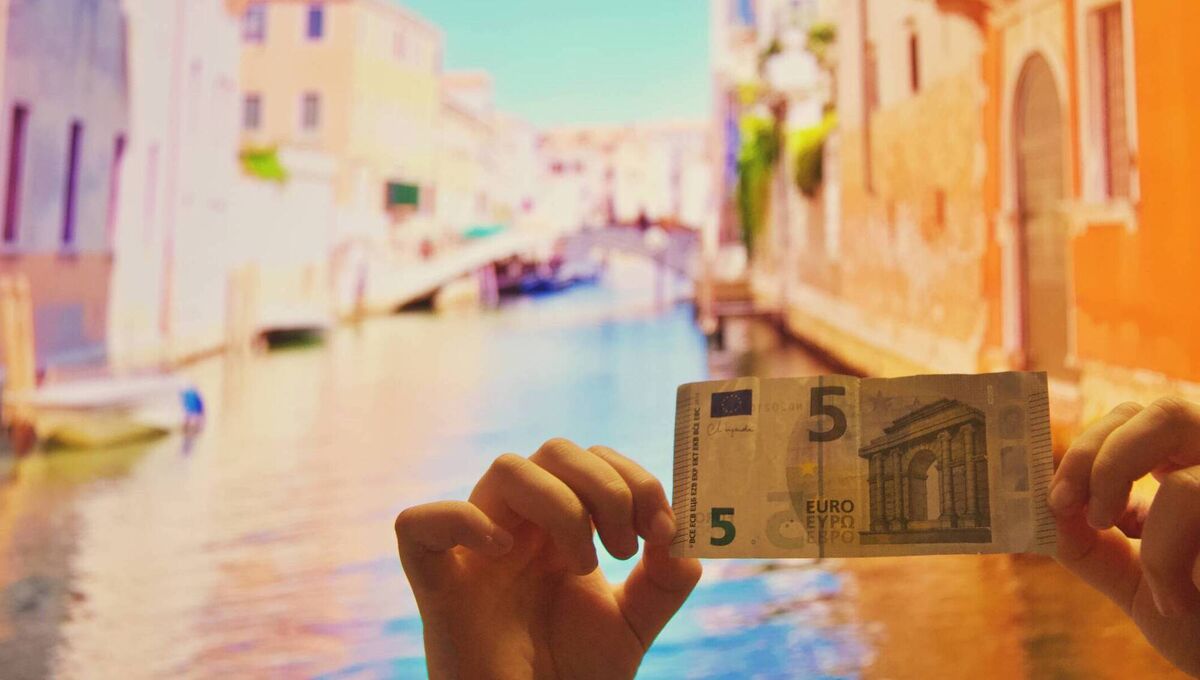
The attractions for governments are obvious. Visitors create costs, and asking them to contribute towards conservation, public transport, wastewater treatment or waste collection is arguably fairer than leaving residents to foot the entire bill. And these taxes can raise serious money. That, in fact, may be where they work best. The difficulty comes when we confuse raising money from tourism with making tourism itself sustainable. Research into Manchester's £1-per-room visitor charge, introduced in 2023, found no significant effect on hotel nights, occupancy, room rates or revenue. That is good news if the aim is to collect money without putting people off. It is rather less impressive if the aim is to reduce pressure. If nobody changes their behaviour because of the tax, then the tax is not really controlling tourism. It is simply collecting money from it. Call it the sustainability swear jar. Pay a few euro, feel briefly virtuous and carry on as before. Unfortunately, ecosystems tend not to accept contactless.
CLIMATE & SUSTAINABILITY HUB
The Balearic Islands offer an even more interesting warning. A peer-reviewed study published earlier this year examined 297 projects, worth €845.8 million, funded through the islands' Sustainable Tourism Tax between 2016 and 2025. The researchers found that spending had gradually shifted away from the scheme's original environmental and social aims towards what they described as green growth, with greater emphasis on maintaining tourism competitiveness than confronting ecological limits. That is where the argument becomes much more uncomfortable. Imagine a destination uses its tourist tax to improve sewage treatment, introduce cleaner buses, restore damaged habitats and make hotels more water-efficient. All good things. But visitor numbers continue to rise. Has tourism become more sustainable? Or has the destination simply become better at accommodating more of it?
If a hotel cuts water use per guest by 10% but visitor numbers rise by 20%, total water demand can still go up. The same applies to waste, traffic, energy and pressure on ecosystems. Efficiency is useful. It is not the same thing as reducing overall environmental impact. This is increasingly recognised in international tourism policy. The OECD has argued that destinations need to look beyond visitor numbers and economic growth alone, and pay more attention to infrastructure limits, environmental pressures and residents' quality of life. That sounds obvious, but tourism policy has traditionally been remarkably enthusiastic about one metric in particular: more. More visitors, more hotel nights, more flights, more revenue. Environmental policy then arrives afterwards and tries to make the growth cleaner.
There is another problem too. If governments really want tourist taxes to reduce visitor numbers, the charges presumably have to be high enough to make people think twice. A €5 levy is unlikely to stop somebody who has already spent hundreds or thousands travelling somewhere. Make it €100, €500 or more and behaviour may finally start to change. But then who gets priced out? There is a danger of ending up with a rather strange model of sustainable tourism in which fragile places remain open to anyone, provided they are wealthy enough not to care about the charge. None of this means tourist taxes are a bad idea. Quite the opposite. There is a strong argument that visitors should contribute towards maintaining the places they enjoy. Properly designed taxes can raise substantial sums for conservation, infrastructure and public services. But perhaps we should be a little more demanding about what the word “environmental” promises. Revenue raised is not an environmental outcome. If a sustainability levy brings in €100 million, the real question is not whether the tax was financially successful. It is what happened afterwards. Did water use fall? Were habitats restored? Did waste decrease? Did public transport improve? Did pressure on vulnerable places decline? Did local communities benefit? And did the destination actually become more sustainable?
Next week, I will pay one of these levies myself. I will do so without complaint. But I will also know that paying it does not make the environmental cost of getting there magically disappear. Perhaps that is the most useful way to think about tourist taxes. They are not absolution for travelling. They are not proof that tourism has become sustainable. And they are certainly not a licence for unlimited growth. They are simply one way of making those of us fortunate enough to travel contribute towards the places we enjoy. The harder part comes afterwards. Because the success of an environmental tourism tax should not be measured by how much money we manage to extract from paradise. It should be measured by whether paradise is in any better condition because of it.
- References Sun, Y-Y., Faturay, F., Lenzen, M., Gössling, S. and Higham, J. (2024) Drivers of global tourism carbon emissions, , 15, 10384.
- Anguera-Torrell, O., Aznar-Alarcón, J. and Boto-García, D. (2025) Does an industry-promoted tourist tax per night affect hotel performance? Quasi-experimental evidence from Manchester, , 109, 105137.
- Fuster-Uguet, M., Blázquez-Salom, M. and Font, X. (2026) From eco-social intent to green growth drift: The governance of a sustainable tourism tax, , 119, 104236.

CONNECT WITH US TODAY



Be the first to know the latest news and updates