Flower fairies: Foxglove and fuschia feature prominently in folklore
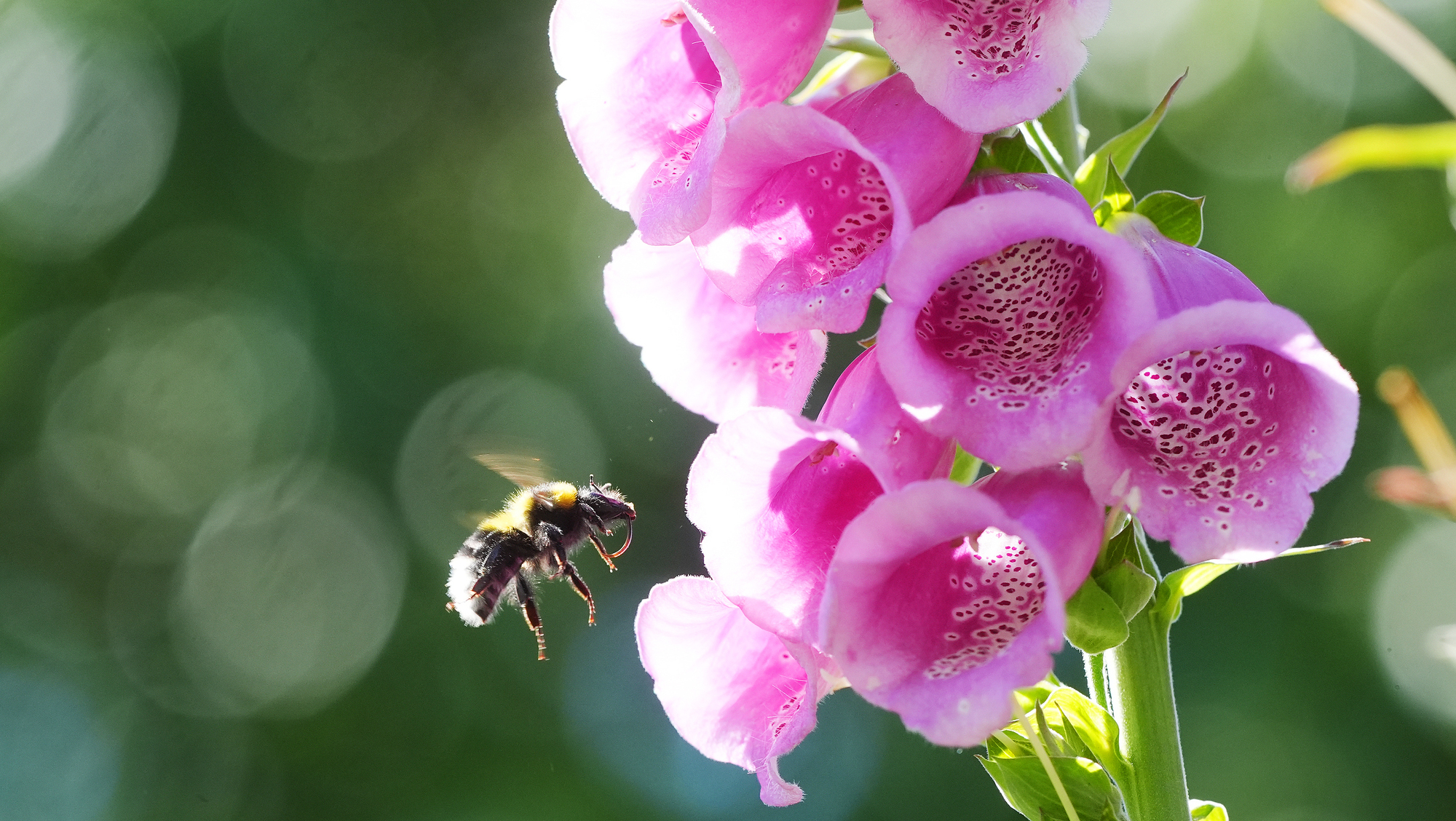
The National Folklore Commission recorded foxglove’s close associations with fairy lore and, therefore, people once believed it was unlucky to bring the plant into their houses. Picture: Brian Lawless
A mixture of heat and rain has created ideal conditions for our wild plants which are growing in glorious profusion across the country this summer. Foxglove and fuchsia, for instance, are blooming in the Beara and Dingle peninsulas.
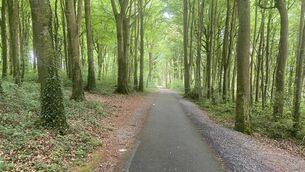
One of those warm, sunny days, of late, was just ideal for doing a loop of the Beara Peninsula, beginning and ending in Kenmare. Winding roads on the northern, or Kerry side, may slow you down, but that only allows more time to admire the tree-clad hills, verdure and seascape.
The peninsula’s acidic soils and mild climate suit the purple foxglove which can be seen on road and woodland edges, as well as on recently-cleared ground.
Though a useful source of pollen for bees, the plant is toxic and should not be eaten. However, it contains a compound, digitalis, used to treat heart conditions.
The National Folklore Commission recorded foxglove’s close associations with fairy lore and, therefore, people once believed it was unlucky to bring the plant into their houses. The hanging blooms were known as fairy earrings, while the ‘little people’ were also thought to live near where it was found.
Similar beliefs were linked to the pink and purple fuchsia. There was a custom among children of making ‘flower fairies’ — the spindly, hanging filaments acting as the fairy legs with tiny shoes at the bottom.
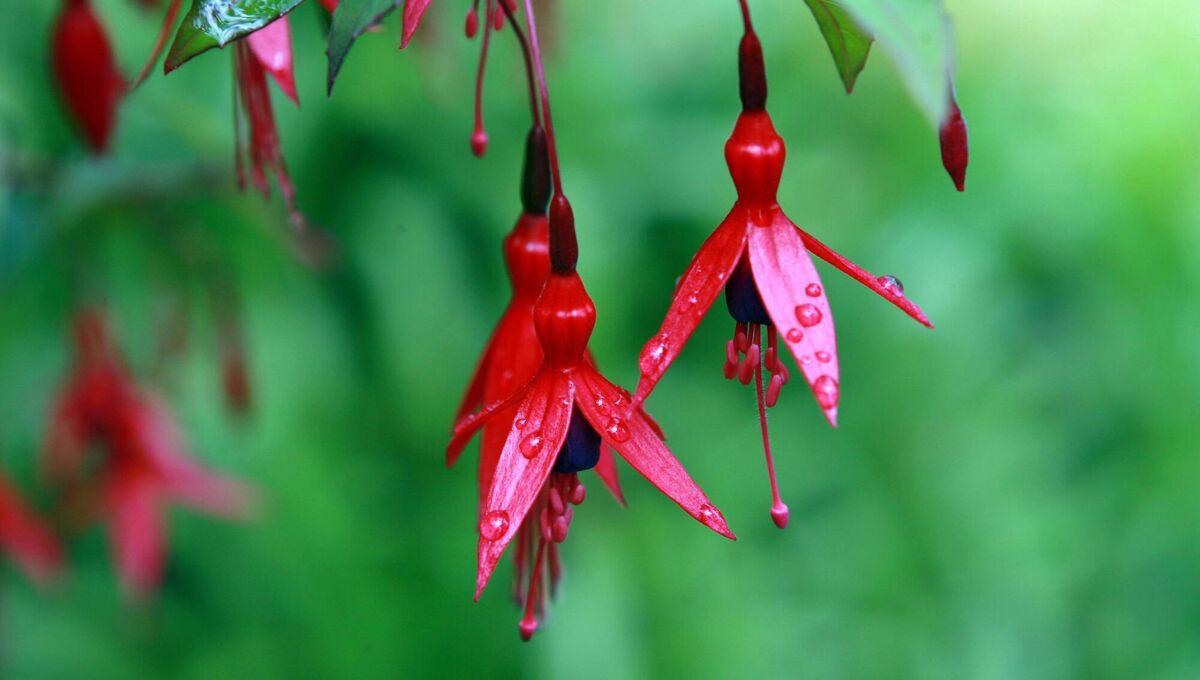
On a practical level, the stand-out fuchsia has been a branding symbol for quality artisan foods in West Cork since the 1990s. It will colour our hedgerows until October and, on the day of our trip, it was especially noticeable on the roadsides around Adrigole.
Distinguished botanist, Robert Lloyd Praeger, visited the area more than 90 years ago. He travelled from Bantry to Glengarriff which, he lyrically noted, stood at the extremity of a fairy-like, island-studded bay, almost frostless in winter and seldom too hot in summer, though the midges might be ‘pesky’!.
In his timeless book, , first published in 1937, he described Glengarriff as a fine centre for exploring the mountainous, coastal areas, particularly what he dubbed the wild region to the west.
Praeger wrote: “Enter this enchanted region by way of Barley Lake, or Adrigole Glen, with strong boots and a raincoat to exorcise the demons of air and water, and I would wish to be with you in body, as I shall be in spirit.’’ Wise advice, surely. Were he around today, he would also probably mention places like Garnish Island, Gleninchaquin Park, the woodland gardens at Derreen, and Allihies copper mining museum, to name a handful… with a pit-stop at Teddy’s, in Kilmackillogue, perhaps.


CONNECT WITH US TODAY



Be the first to know the latest news and updates