Head to the hills: Taking steps to maintain our outdoor areas
Getting farmers and private landowners in upland areas involved in maintaining paths is seen as key to restoration projects aimed at creating a more sustainable future for visitors
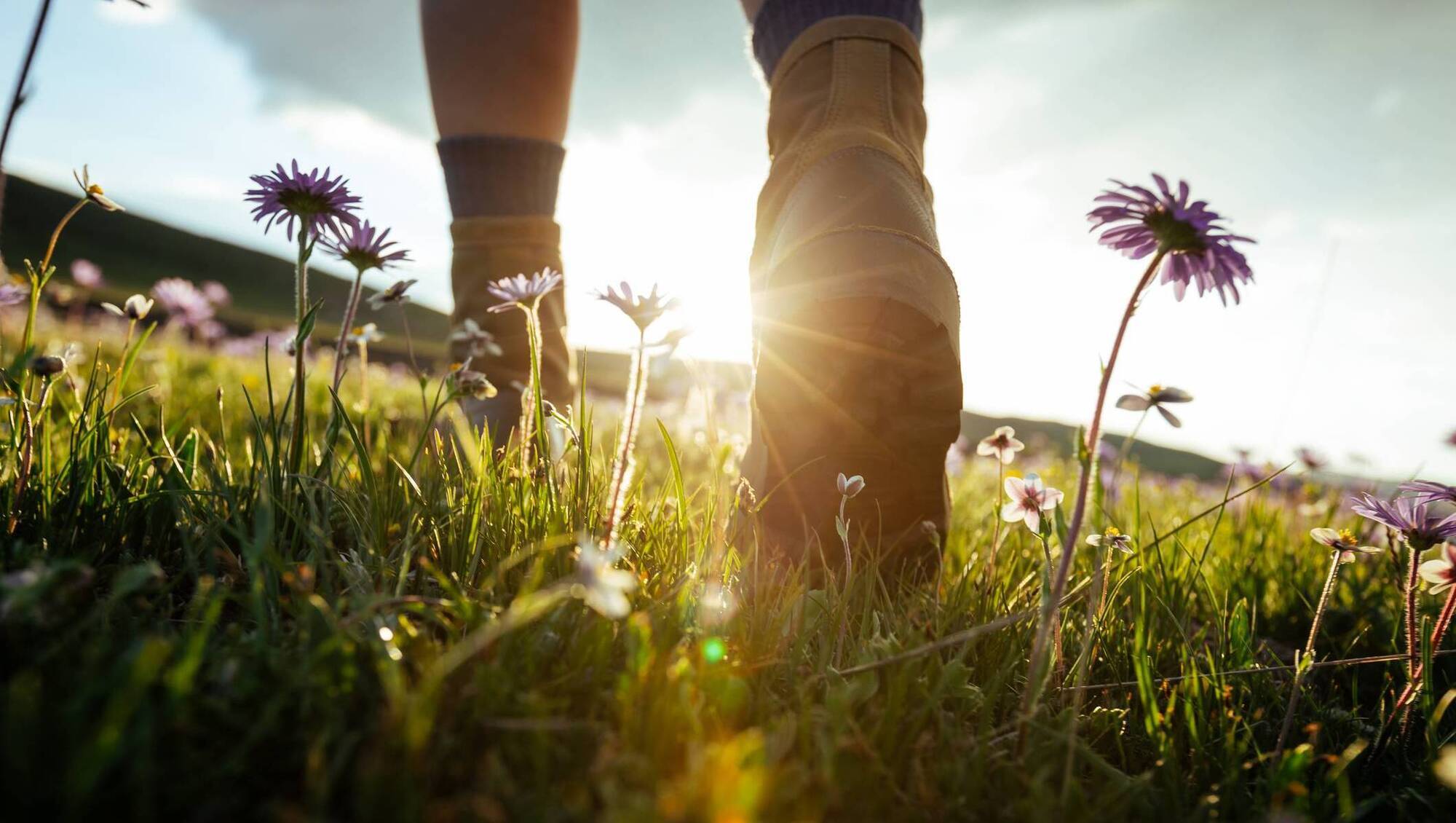
Walking in the uplands is becoming ever more popular and, over the years, there have been calls for reduced access. Picture: iStock

Walking in the uplands is becoming ever more popular and, over the years, there have been calls for reduced access. Picture: iStock

Getting farmers and other private landowners in mountainous areas involved in maintaining visitor paths is seen as key to the success of various restoration projects.

With summer here, more people will be heading to the hills and will see for themselves evidence of footfall erosion and damage to a fragile environment which becomes clearer by the year.

Groups like Leave No Trace and Mountaineering Ireland regularly urge hill walkers not to stray from established paths as people treading on the surrounding, soft peatland can cause further erosion.

Walking in the uplands is becoming ever more popular and, over the years, there have been calls for reduced access.

The official figure for numbers going onto the MacGillycuddy Reeks, in Kerry, is 64,000 per annum. But, given the vastness of this hill country in the precincts of Killarney, the real figure is much higher — estimates range between 100,000 and 150,000.

Sunset at the foothill of Carrauntuohil mountain, MacGillycuddys Reeks, in Co Kerry. Picture: iStock

The Reeks, as well as Croagh Patrick, in Mayo, and the Wicklow Mountains are among the main areas targeted for necessary Government-funded remedial work to paths.

Embracing Ireland’s Outdoors, the national outdoor recreation strategy, aims to develop and manage our outdoor resources in a sustainable manner.

A three-year, pilot Upland Recreation Scheme for the Reeks, where Carrantuohill is the central attraction, is the first in Ireland. It includes payments to farmers and other landowners who undertake an agreed work programme.

Such programmes are part of an overall plan for the Reeks which involves monitoring and maintaining paths and access areas.

Furthermore, the pilot also rewards farmers for engaging directly with visitors and providing them with help and guidance on how to use the mountains responsibly. It will be overseen by the MacGillycuddy Reeks Access Forum.

Rural development minister Dara Calleary described the scheme as a crucial step in creating a more sustainable future for visitor access to the Reeks. “We often forget the significant impact that walkers can have on these sensitive areas which are typically private land that is actively farmed,’’ he pointed out.

In 2024, several years of restoration work on Croagh Patrick was completed and plans for further ongoing maintenance, this year, were recently announced. Painstaking restoration of the path was mostly done by hand, with the active participation of a local stakeholder group and landowners.

Stakeholders group chair, Martin Keating, said this collaboration will ensure the mountain, which attracts at least 50,000 people annually, will continue to recover and provide a better, safer visitor experience.

More than 4km of repair work has been completed on Croagh Patrick since 2020, including the removal of loose stones, building paths and stone steps, and drainage.

x

More in this section

Revoiced

Newsletter

Had a busy week? Sign up for some of the best reads from the week gone by. Selected just for you.

Cookie Policy Privacy Policy Brand Safety FAQ Help Contact Us Terms and Conditions

© Examiner Echo Group Limited