Donal Hickey: Going to bat for our flying friends
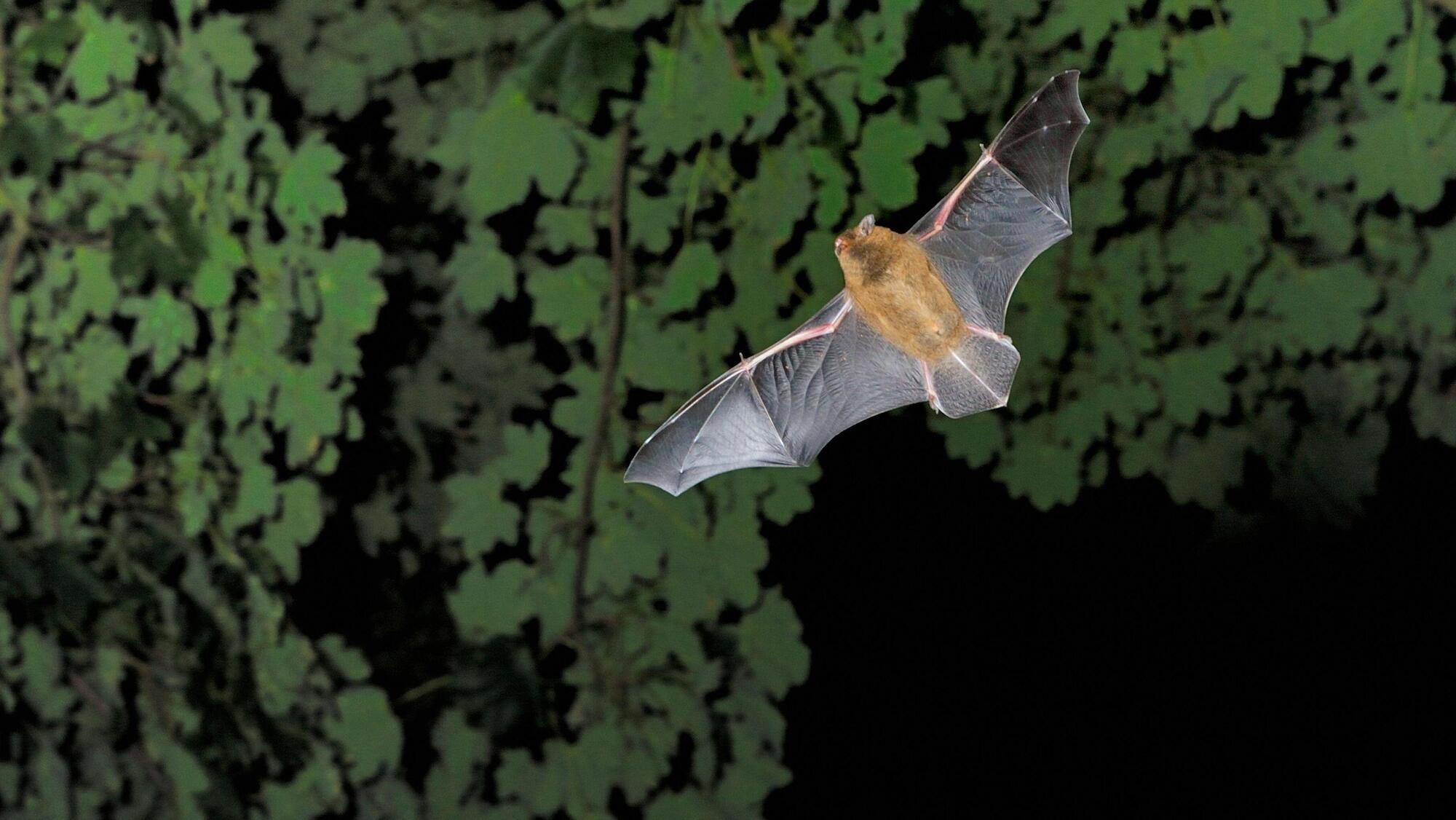
Appearing after sunset, bats move at speed, weaving in and out, usually following a line of trees, or hedges.
Bats are being increasingly kept out of tightly-sealed buildings where they would like to roost, but other accommodation can be found for them. Bat boxes can be provided on trees while these harmless creatures can also be made welcome in countless abandoned houses and disused farm sheds.
As bats are protected under wildlife laws, it’s an offence to harm, disturb or handle them. They can take up residence in people’s attics, basements or sheds. So what happens when property-owners wish to remove them? First thing to do is to contact the local National Parks and Wildlife Service officers.
A nature-friendly lady of our acquaintance has a bat colony in her basement. “They’re dirty, but that can be contained to a certain area. We can’t hear them and they don’t really cause any problems: difficulty only arises when you need to use a shed, or attic, where they’re roosting,’’ she says.
Alternative homes can be provided for bats which, for example, like to roost in trees with naturally occurring holes.
Regarding bat boxes, location is important. Advice from experts is to erect boxes on south-facing trees, or buildings, at least four metres above ground, away from predators outdoor lights. Plenty of information is available online through Teagasc and Bat Conservation Ireland.
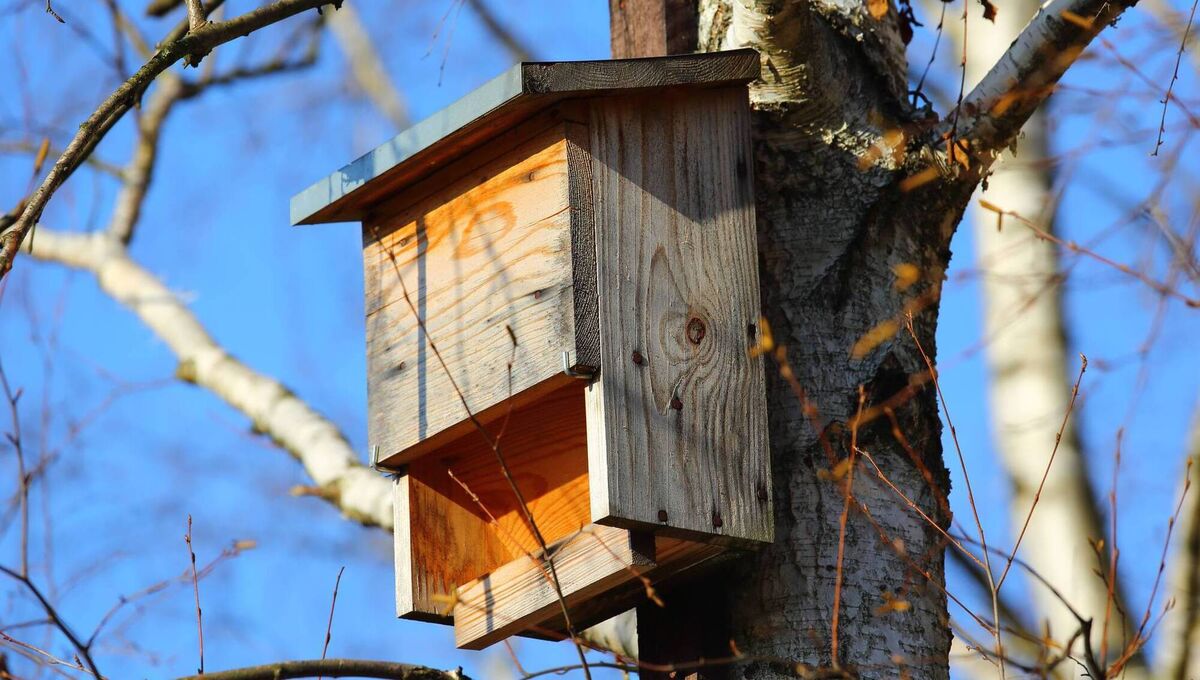
Farmers can help by providing habitat. Bats avoid open spaces and like linear features such as hedges and rows of trees. Further planting can be done to connect with existing hedgerows.
By the way, all of the above has been prompted by people telling us how they sat outside bat-watching late into the evenings during the recent all too short heatwave.
Living close to a bat roost, I saw plenty of them on those balmy evenings. One of the many myths about bats is that they can get stuck in your hair. Not true, though I can remember regularly walking along a narrow, tree-lined boreen and sensing bats flying just over my head.
Appearing after sunset, they move at speed, weaving in and out, usually following a line of trees, or hedges. Little wonder they are often called ‘swallows of the night’. They can consume thousands of midges.
“They are a very good indicator of how good our habitats are. A healthy population of bats tends to indicate that the area is in good environmental condition,’’ says Dr Catherine Keena, Teagasc countryside management specialist.
Finally, bats are often maligned in folklore, being associated with death, witchcraft and the ‘otherworld’. Even the mischievous pooka is supposed to take the form of a bat while moving around at night. Don’t believe a word of it!
CONNECT WITH US TODAY



Be the first to know the latest news and updates