Uneasy sea-bedfellows: Oceans of conflict around fishing and conservation
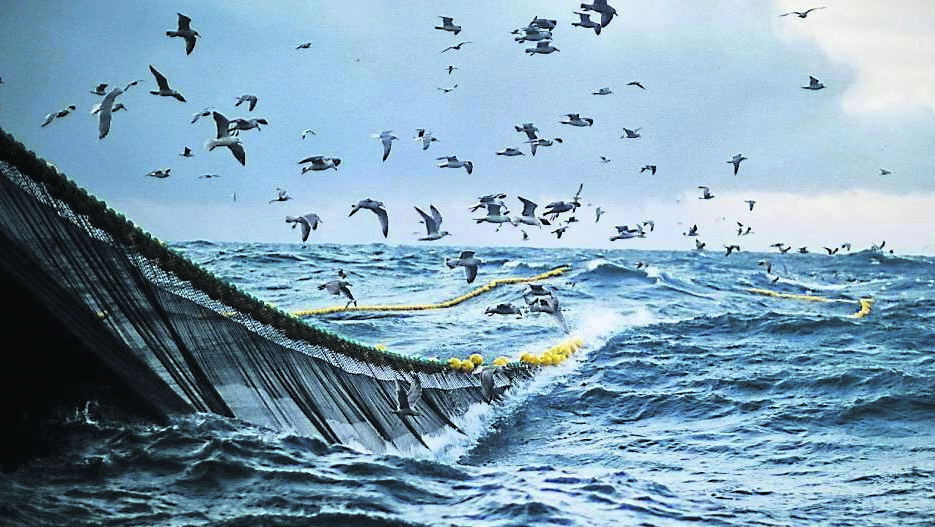
Removing damaging types of fishing gear, particularly trawls and dredges, would hit fishing incomes in the short to medium terms. Picture: iStock
Every summer the International Council for the Exploration of the Seas (ICES), a scientific body headquartered in Copenhagen, issues its latest advice on fishing quotas.
Last year their figures sent shock waves through the fishing industry as cuts of up to 70% in the catches of mackerel were recommended. Mackerel, once among the most abundant fish in the North Atlantic and the last lucrative fishery left for European boats, has collapsed. This year the bad news is for plaice, with ICES recommending that fishing for it in the Irish Sea be stopped altogether as the numbers are so low.
I grew up eating plaice at home for dinner on Fridays at a time when Irish caught cod, whiting and sole were also common. One by one, each of these fisheries has been lost due to overfishing so that today fishermen are catching very few fish.
Meanwhile biodiversity in the ocean is in a state of collapse. In recent years, whales have been showing up along the Irish coast in fewer numbers and the reason is likely a lack of fish.
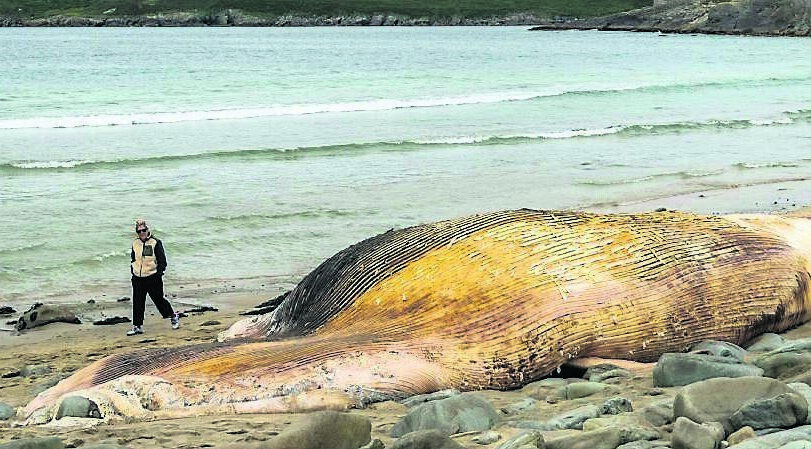
In May of this year a young fin whale, which should have been in the prime of its life, was washed up dead on the Cork coast. The Irish Whale and Dolphin Group said that it was evident that the animal had “not been feeding for some time due to its extremely poor nutritional status”.
Traditionally, the management of the fishing industry has been seen as separate from the recovery of life in the ocean although to many the link is quite plain. Indeed, conservation of marine life has more often been seen as in conflict with fishing, which goes a long way in explaining why the two have declined in lockstep.
Now, although there is increasing recognition among those fishing for a living that drastic change is needed, there is also fear that instead of restoration measures being the lifeline they need, it will be the death knell.
Indeed, there is no future now for fishermen that does not require pain. Closing off areas for fishing, or removing the most damaging type of fishing gear, particularly trawls and dredges, will hit fishing incomes in the short to medium terms. While these approaches have been shown time and again to result in a recovery in the number, size and diversity of fish, the scientific consensus is that this could take up to a decade: not long in nature’s diary but too long for many fishermen, many of whom are already reaching retirement age.
Some in the fishing community recognise this. The National Inshore Fisheries Association has proposed that fishermen receive a basic income, like that which is given to artists, to help bridge this gap. Fishermen could become the guardians of the seas, leading on restoration efforts, monitoring change and generally siting at the centre of management structures for their stretch of coast.
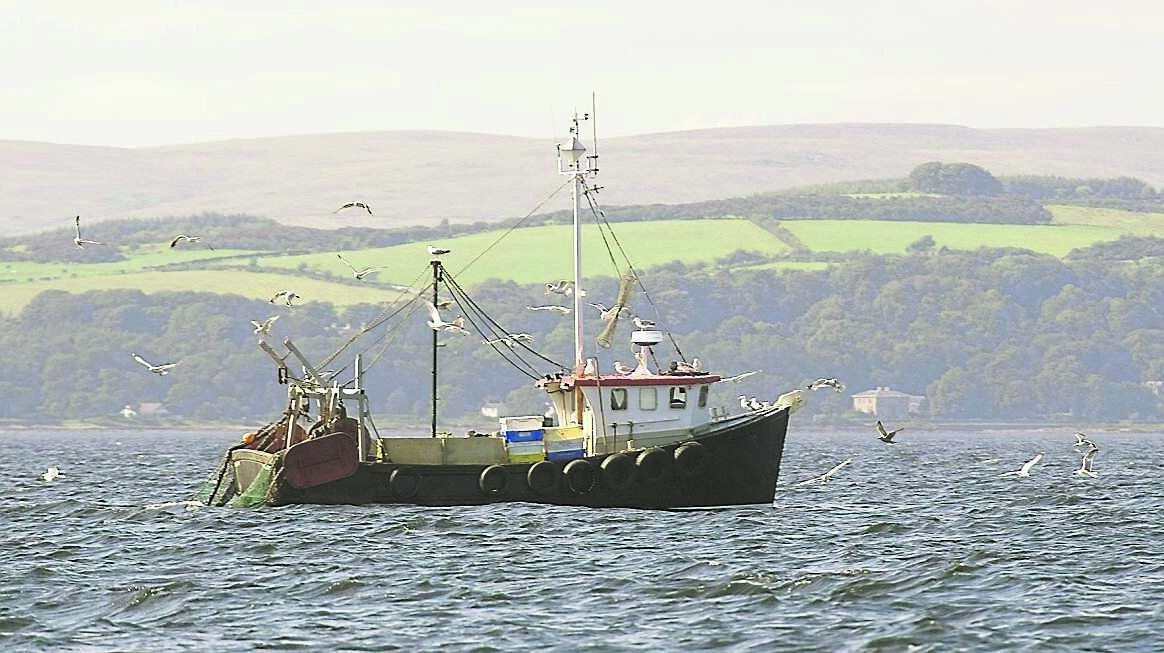
However, a major impediment to this is the complex manner in which the sea is managed.
The lead agency for biodiversity protection in Ireland is the National Parks and Wildlife Service (NPWS), which sits within the Department of Housing, Heritage and Local Government. The NPWS is responsible for identifying Special Areas of Conservation (SAC) and Special Protection Areas (SPA) under EU law, which cover around 10% of the sea, but they have no power to manage these areas, either through setting rules or enforcement.
New legislation for the creation of Marine Protected Areas (MPA), which will be similar to SACs and SPAs but will encompass a broader range of species and habitats is being led by the Department of Climate, Energy and the Environment. The passing of this legislation has been a tortuously slow process but in recent weeks a draft bill has been published. This sets out the goal of designating 30% of our seas within MPAs by 2030, how these areas will be identified and who will be responsible for managing them and enforcing the rules.
The content of the bill will be closely examined by conservationists however there is already a red flag. Fishing is managed by the Department of Agriculture, Food and the Marine (DAFM) and the draft bill states that “no regulation may be made affecting any matter falling within the ambit of the DAFM without the consent of that Minister”.
In other words, the proposed new managers of MPAs would not have the power to regulate fishing activity and any proposal to do so must first be given the OK by the Minister at DAFM.
This is a serious problem when fishing is, by far, the greatest pressure on biodiversity.
DAFM is already responsible for fisheries management in SACs and SPAs but very few of these sites have any regulations in place while a report to the European Commission last December showed that 18 out 21 marine and coastal habitats are in bad or ‘inadequate’ condition.
The issue is even more complicated when we move beyond the shallow inshore seas to areas managed under the EU’s Common Fisheries Policy (CFP). While individual countries can propose conservation measures in their territorial waters, they can only take effect with the agreement of all other countries, something that effectively doesn’t happen, given that no country wants to sacrifice any of, what they see as, their traditional fishing grounds. The result is a continued downward spiral with marine areas ‘protected’ in name only.
The EU has proposed a new Ocean Act which may address the bottleneck in the CFP however, the Irish government has a lot of work to do to resolve competing objectives between its departments. Either the DAFM starts to play a greater role in fulfilling its responsibilities under conservation laws or the task needs to be given to another department.
A failure to address this gap now, before crucial MPA legislation is passed, will condemn us to another generation of decline, whether that’s fishing or the biodiversity upon which it depends.

CONNECT WITH US TODAY



Be the first to know the latest news and updates