Sands running out: Natural solutions to combat coastal erosion
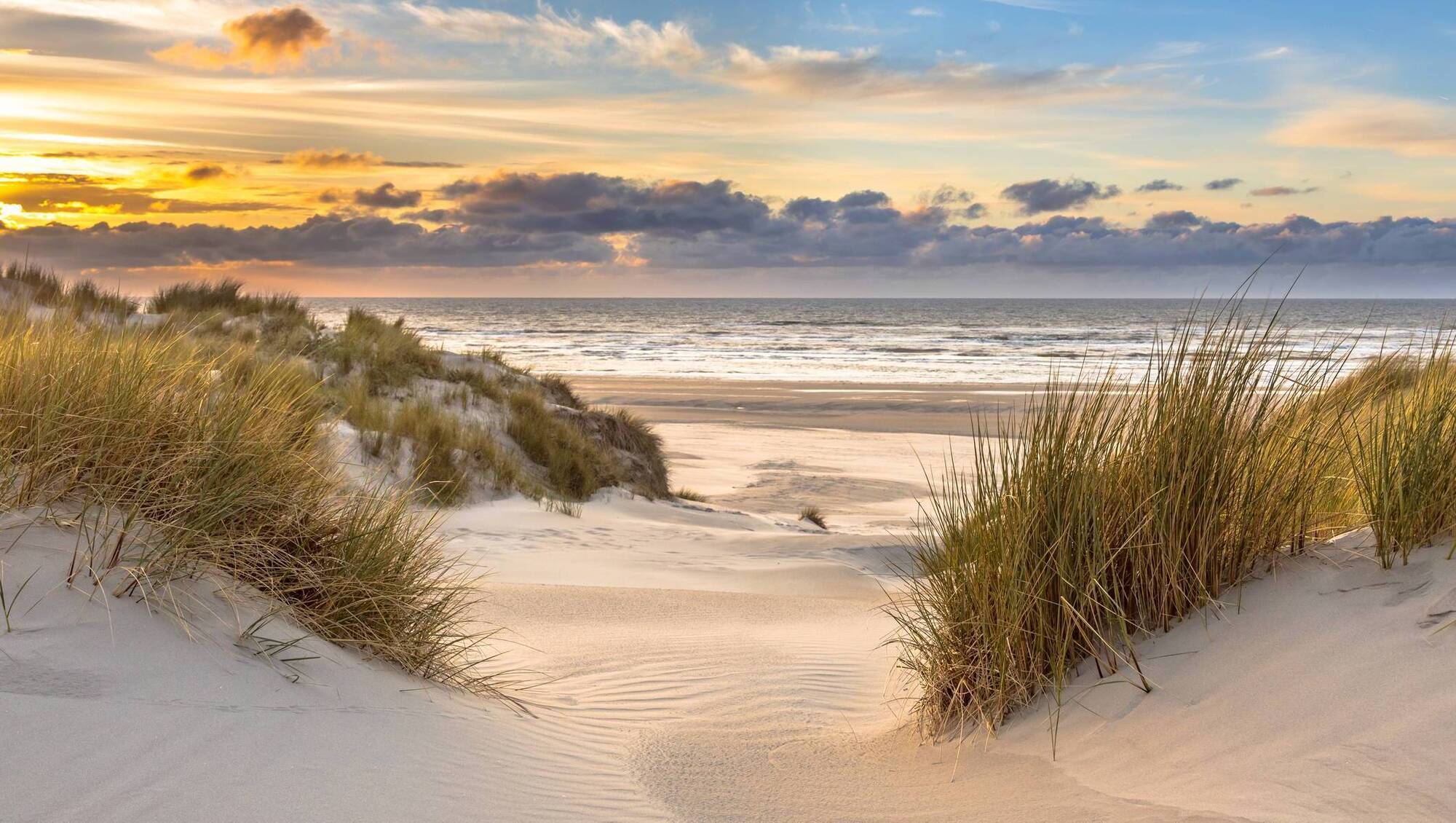
Dunes, built up over thousands of years, are natural coastal barriers and buffers against strong waves and storms, while also protecting land and homes. Picture: iStock
People going to the seaside over the June bank holiday, with many, perhaps, taking their first ocean ‘dip’ of the year, may notice some changes in their favourite beach areas.
Winter and autumn storms, which are growing in severity, are causing further coastal erosion and damage to fragile sand dunes. Conservationists are appealing to people to stay away from dunes: some use dunes for running, picnicking, or even lighting fires.
While walking on the beach at Inchydoney, part of the Clonakilty Special Area of Conservation, in West Cork, lately, a sign asking people to keep off the dunes caught the eye. Yet, the sand around the sign was peppered with the footprints of folk clearly doing the exact opposite.
Combating coastal erosion is an enormous challenge, with University College Cork (UCC) researchers finding hotspots in every county. They cited alarming erosion in Portrane, Co Dublin, where eight homes are at risk of collapsing into the sea, as an example.
Other areas of serious concern include the Maharees, Co Kerry, and sections of the Wexford coastline. Along the Ring of Kerry, Cromane, Rossbeigh and Waterville could also be included in the danger list, with local councillor, Tommy Cahill, saying people were going to bed at night "worrying the sea will come in their doors".
CLIMATE & SUSTAINABILITY HUB
Waves, flooding and storm surges pose the biggest risk to low-lying coastal areas. Galway City narrowly avoided potentially disastrous flooding during Storm Eowyn, in January 2025. The UCC study found almost 13% of the city's population resided within exposure hotspots.
Dunes, built up over thousands of years, are natural coastal barriers and buffers against strong waves and storms, while also protecting land and homes.
UCC geoscientist, Kevin Walsh, says that by investing in restoration and conservation of dune habitats, we can more sustainably protect against coastal hazards. These nature-based solutions come with many environmental, economic, and social benefits.
Traditionally, Ireland has responded to coastal hazards by constructing hard defences, such as sea walls or rock armour, and deploying temporary flood mitigation measures like sandbags. But, Walsh points out, though these interventions can reduce risk locally, they are often a short-term solution to a long-term issue.
“Some may also have negative, unintended consequences. Sea walls, for example, can cause reflected waves to pull sand away from a beach, causing it to narrow, steepen, or disappear entirely,’’ he writes in RTÉ’s , an academic and research platform.
While ‘hard’ engineering solutions do not always work, the study revealed how natural habitats, like salt marshes, can offer some protection. The planting of marram grass, which helps stabilise dunes, can also be effective, as in the case of the Maharees.

CONNECT WITH US TODAY



Be the first to know the latest news and updates