How to make your garden truly green: 'We should be gardening with nature, not against it'
“Rewilding your garden isn’t just about letting your garden go wild. I think the type of rewilding we should be doing now is gardening with nature as much as we can. And that means looking after the soil, feeding the soil, using natural products where possible, and peat-free compost. And it means looking at native trees afresh because we have often dismissed things like birch and the Rowan tree as being everyday. But if we look again, we can find amazing beauty in the everyday.”
In the last five to 10 years, Brian Burke, Super Garden judge and garden expert, says “all of the changes I’ve seen in gardening in [that time] are all connected to an escalation in mainstream knowledge around ecology, sustainability, environmentalism, and a lower impact way of doing things.”
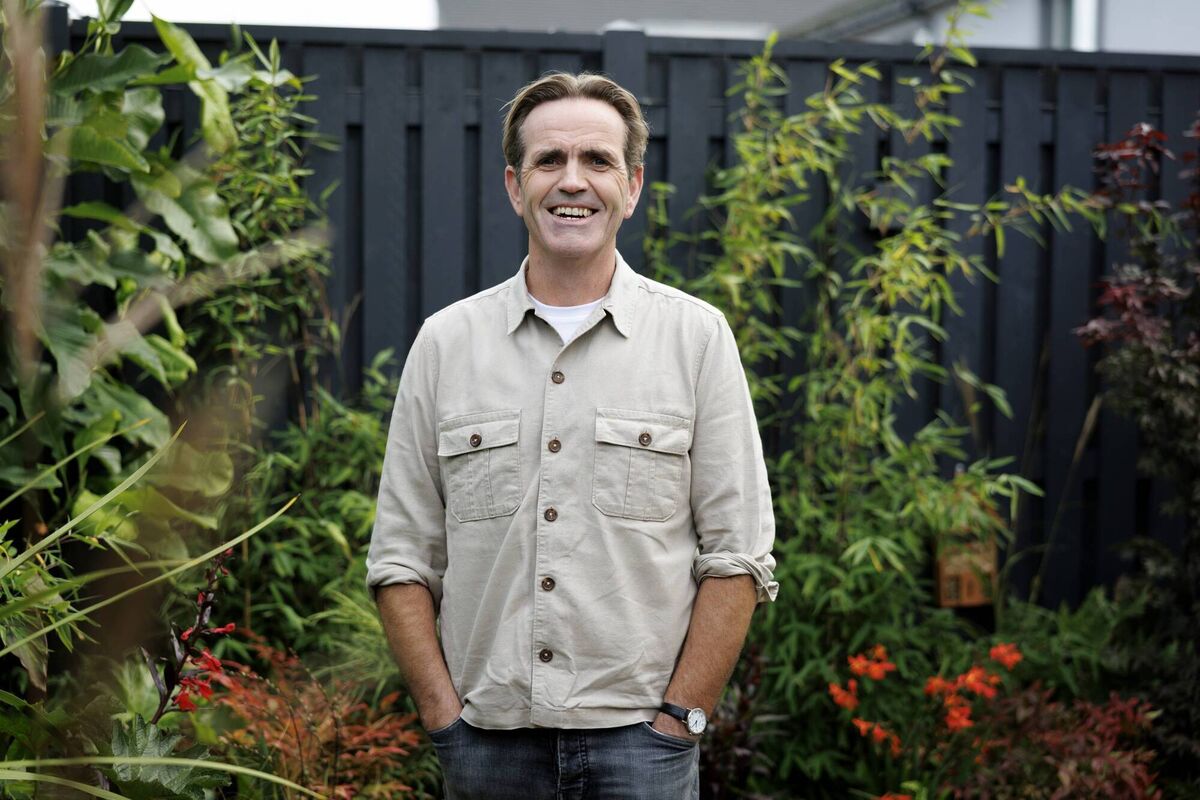
Burke says that now when he meets people looking to design their gardens, they’re “insisting on trying to reintroduce native species and to use more environmentally friendly materials”.
“We’re seeing a lot more of working with what you have. For example, if you have heavy, wet soil traditionally the approach would have been to get a big machine in to excavate all that soil so that you could grow more ornamental planting. Now if people have wet soil, they’re saying I’m going to pick the plants that will work in wet soil. I’m just going to try and weave myself in around nature. And that’s kind of symptomatic of the approach I’ve seen across the board; people are much more insistent on that kind of lighter touch.”
Historically, Irish people have been proud of their perfectly manicured lawns. In housing estates, a neighbour cutting their grass will often kick off a domino effect of neighbours grabbing their lawnmowers and trimming their lawn. But these controlled lawns are like a “dessert when it comes to environmental impact”, says Gavin.
“In a lawn environment, individual grasses haven’t been allowed to flourish and flower, and therefore the lawn isn’t producing pollen or anything beneficial.”
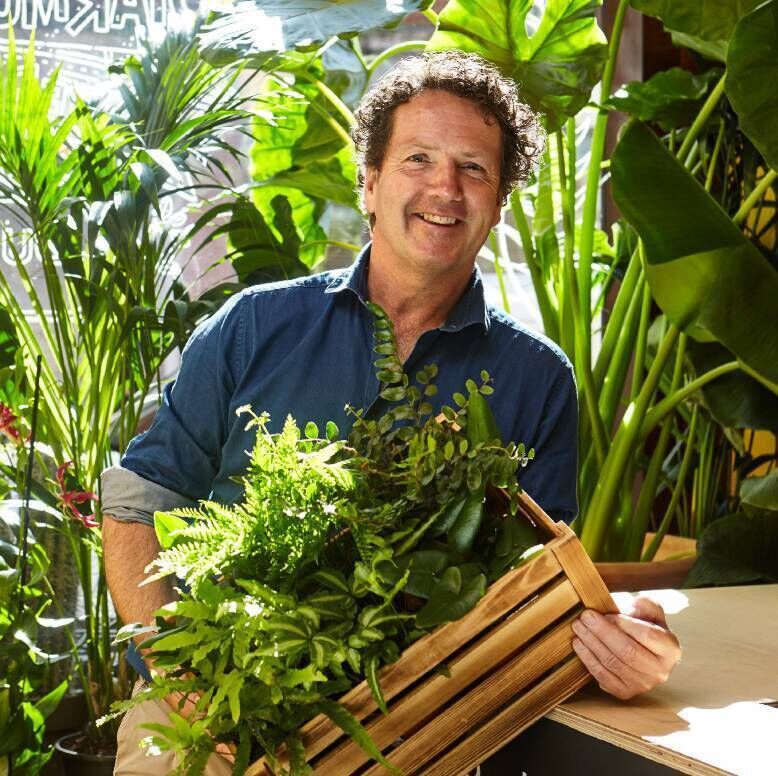
Gavin suggests finding a balance between a maintained lawn, which
can be “a nice foil for your borders or a nice place to play ball games”, and letting some areas go wild.
“For too long we’ve been conditioned to view gardening as housework and keeping everything neat and tidy, but we’re starting to appreciate that messy around the edges is fine. In fact, it’s hugely beneficial for all the other creatures that use the garden.”
“We cut our grass maybe twice a year. And now we’ve got species like bird’s foot trefoil, clover, dandelions, daisies, plantain, and several different native flowers. The amazing thing is we didn’t plant those.”
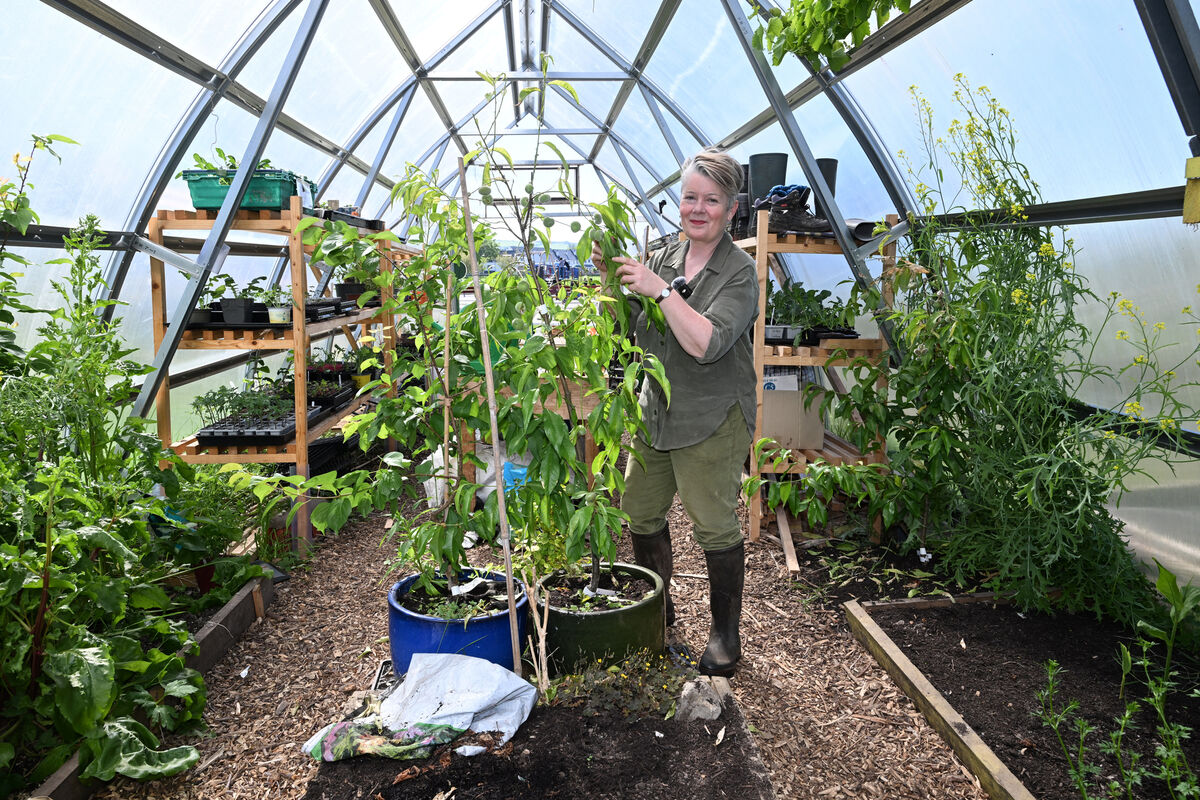
The Togher Community Garden is a volunteer-led, non profit community garden in Clashduv. In all, around 100 volunteers ranging in ages from six to 90, and from 20 different nationalities, regularly come together to work on the garden, which is open and accessible to anyone.
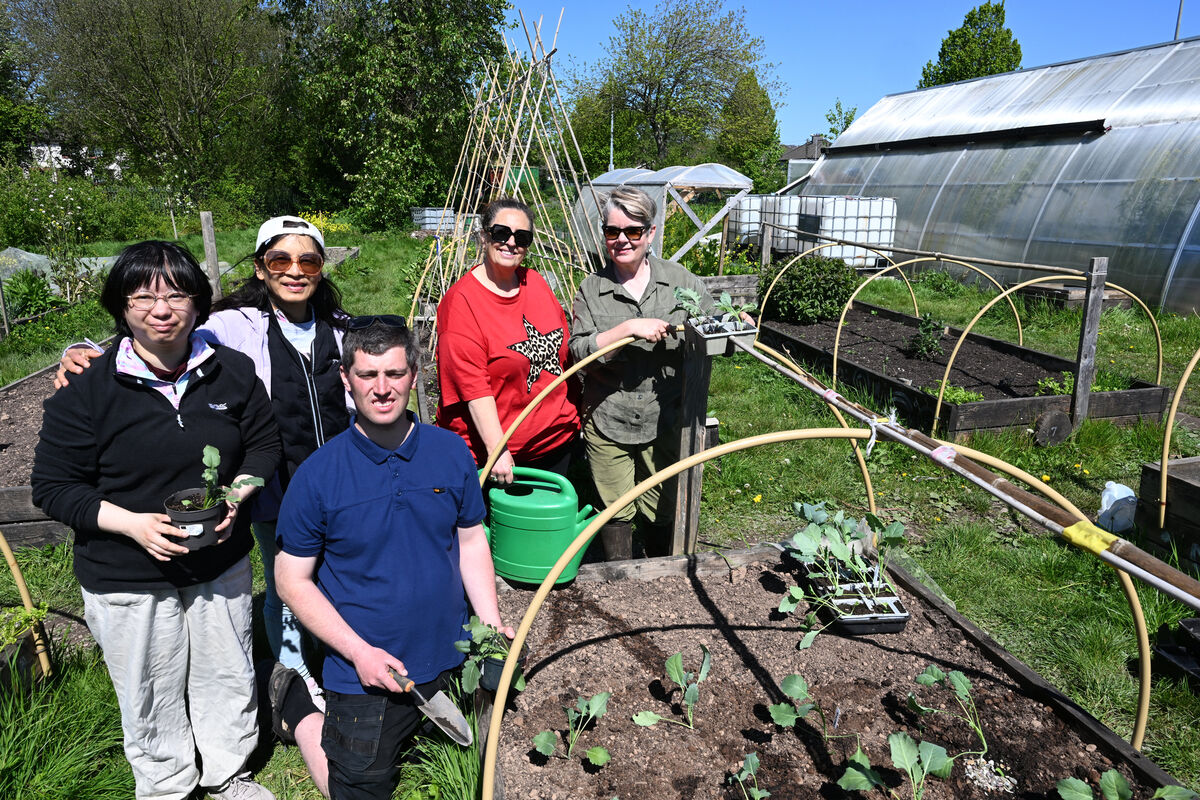
A bioblitz conducted in the garden two years ago to count the number of species present revealed it had 154 species of mammals, insects, birds, and plants. Young suggests the biodiverse nature of the garden is down to its focus on native plants, including a serpentine native hedgerow that winds its way through the garden.
“Kids from the local primary school came over and formed a little train around the perimeter of the garden, and where they stood, we put down stakes and planted a hedgerow there. It’s a beautiful hedgerow populated largely with native plants including Hawthorne, oak, yew, crab apples, elder, rose hips, dog rose, you name it, we nearly have it. It’s now three or four years old, and there’s a lot of berries in it, which is great for the bird population.”
Leaning into native flowers is a great way to attract wildlife to your garden, says Gavin, who suggests planting a small wildflower meadow or patch in your garden using wildflower seeds.
“Either native or pictorial wildflower seeds do incredibly well here. Pictorial wildflower meadows have all the bright cornflowers and poppies, which are great pollinators. A packet of seeds that might cost four or five quid can produce a whole garden that will flower right through the summer and be buzzing with life.”
Burke says we have a huge selection of native Irish wildflowers to choose from. “Cornflowers, self-heal, knapweed, purple loose stripes. There’s lesser celandine, a lovely yellow flower that appears at the base of hedgerow in the spring every year, kidney vetch and devil’s bit scabious.”
Another item that delivers serious bang for its buck when it comes to sustainability is a pond, says Gavin. “Having a simple wildlife pond will increase the amount of wildlife in your garden a hundredfold: birds can drink from them but also bathe in them, hedgehogs might wander in, and of course a pond can attract so many insects.”
Burke agrees, calling ponds “one of the single most effective things you can do to start gardening sustainably”.
Ponds are relatively easy to add to a garden, he says. “Excavate a shallow pond in a lawn or similar space. Line it with some builders’ film or some rubber or something like that. Dress up the edges with some stones and marginal plants like iris. And then you can plant some oxygenating plants into the water itself.”
Ponds, he says, can be an ideal way to introduce “biological control” instead of using chemicals to get rid of pests like slugs. “If you have a problem with slugs, if you incorporate a small, naturalised water feature, the frogs will come — they’ll smell the water. What do frogs love to eat? Slugs. There’s a perfect biological control.”
“You can create a miniature habitat or a miniature ecosystem no matter where you are. So if you live in an apartment and your outside space is a balcony, you can invest in some planters or pots and plant nectar-rich flowering annuals or perennials for pollinators. A Hawthorn will produce nectar-rich flowers in the spring and berries for birds in the autumn. The birds will feed on the berries, they’ll fly away, they’ll excrete the berries someplace else, and that seed will propagate itself. So it’s a kind of a self-fulfilling cycle that we can all contribute to.”
“The important thing is to grow something”, says Gavin. “You can always grow herbs or have a few pots and containers. Take note of the conditions on your balcony: is it a bright, sunny place? Then you can grow herbs. Do you live close to the sea? Well then you could grow seaside plants that will fare that bit better in an elevated windy location. If it’s a more shaded balcony, think about where we get shade in nature like woodland, where ferns and bulbs and low growth journeys will do very well in the shade. So, think about the conditions and follow the planting leads you get in nature.”
Making your own compost fits into what Burke calls a “low impact approach” to gardening. Rather than using chemicals or feed to try to enhance soil, people can use garden and food waste to create rich compost.
“Rather than dumping garden waste like leaf fall, grass cutting, hedge trimmings, combine it with food waste from your kitchen, like vegetable peels, potato skins, egg shells all that sort of stuff. It doesn’t take much to set up a very simple composting system, and you can produce your own very healthy, very nutrient rich compost.”
![Brian Burke: “all of the changes I’ve seen in gardening in [that time] are all connected to an escalation in mainstream knowledge around ecology, sustainability, environmentalism, and a lower impact way of doing things.”](/cms_media/module_img/10157/5078595_3_articleinline_Brian_20Burke_20Portrait_20Woodie_27s_20Judge_1_.jpg "Brian Burke: “all of the changes I’ve seen in gardening in [that time] are all connected to an escalation in mainstream knowledge around ecology, sustainability, environmentalism, and a lower impact way of doing things.”")
And that rich, fertile compost is ideal for growing food, says Gavin, who encourages everyone to give it a go.
“There are easy wins like strawberries, which are great for containers. You could even start with micro greens, like mustard and cress inside, to get the hang of it. And why not think about tomatoes, which do need a bit of protection, but they’re so beautiful. Soft fruit, like raspberries or gooseberries are so good in this country too, and they give you a massive amount of fruit for your efforts.”
In Togher, as well as an emphasis on food growing, the community garden is serious about “seed sovereignty” says Young.
Seed sovereignty is the right of farmers and communities to save, use, exchange, and sell their own seeds.
“We’re trying to grow seeds that are open pollinated. We’d leave one plant go to seed, and we can then harvest the seeds and grow on the next year.”
The Togher Community Garden sources much of their seed from Sow Diverse in Cork, who are bringing in seeds from other countries and naturalising them in Ireland.
“There is a lot of talk about food security, but we need seed security as well.”
Ireland is rich in native trees, says Gavin. “Trees like a birch could go in the box or planter, they’re wonderful for small gardens. Or a Rowan tree, which has beautiful white flowers in early summer, and then from mid-summer it has clusters of red or yellow berries. Or there’s the flowering strawberry tree, which is an evergreen that produces flowers and fruit at the same time.”
Planting trees like Scots pine, Rowan, birch, and Irish oak “are massively important if we want to nurture that whole garden ecosystem”, adds Burke. “Again, it’s biodiversity, it’s ecology, it’s the coevolution of insects, birds, amphibians, small mammals. All these things are dependent upon each other.
“If we continually bring in nonnative planting, some of which is invasive and some of which causes real problems, we squeeze out the fauna, we squeeze out the bird life, we squeeze out the insects.”
Whether you’re planting native wildflowers or native trees, creating your own compost, building a pond, or growing your own food, a truly sustainable approach to gardening is about changing your relationship with nature — working with it, not against it.
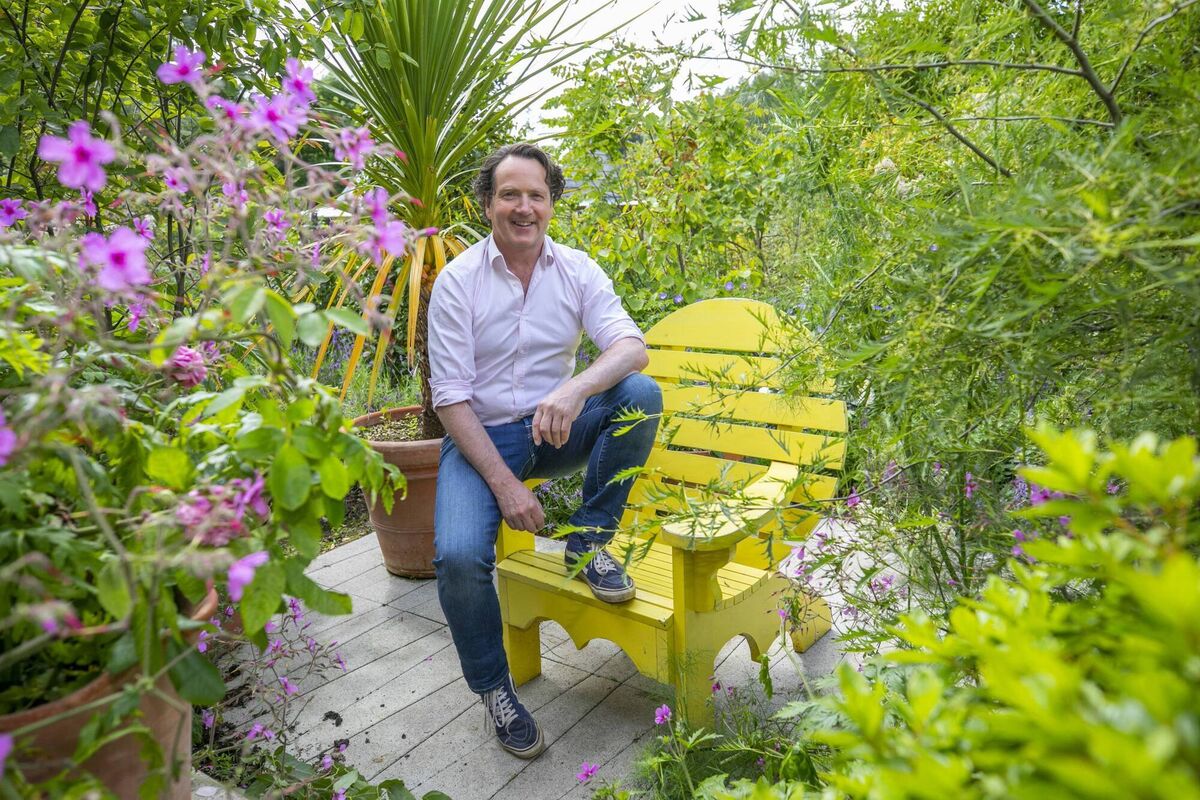
- , garden designer and presenter, recently worked with Tirlán CountryLife on a series of workshops. There are experts on hand at all 15 Tirlán CountryLife garden centres to answer all your gardening queries. See countrylife.ie
- is a landscape contractor and award-winning garden designer. He is the resident gardening expert with Woodie’s and a judge on Super Garden, currently airing on Thursdays on RTÉ One at 7pm and to stream on RTÉ Player.
- is the co-ordinator at Togher Community Garden, a volunteer-led non-profit community garden in Cork. Follow their journey at @toghercommunitygarden on Instagram


CONNECT WITH US TODAY



Be the first to know the latest news and updates