Opening hours: Why some plants open by day and close at night
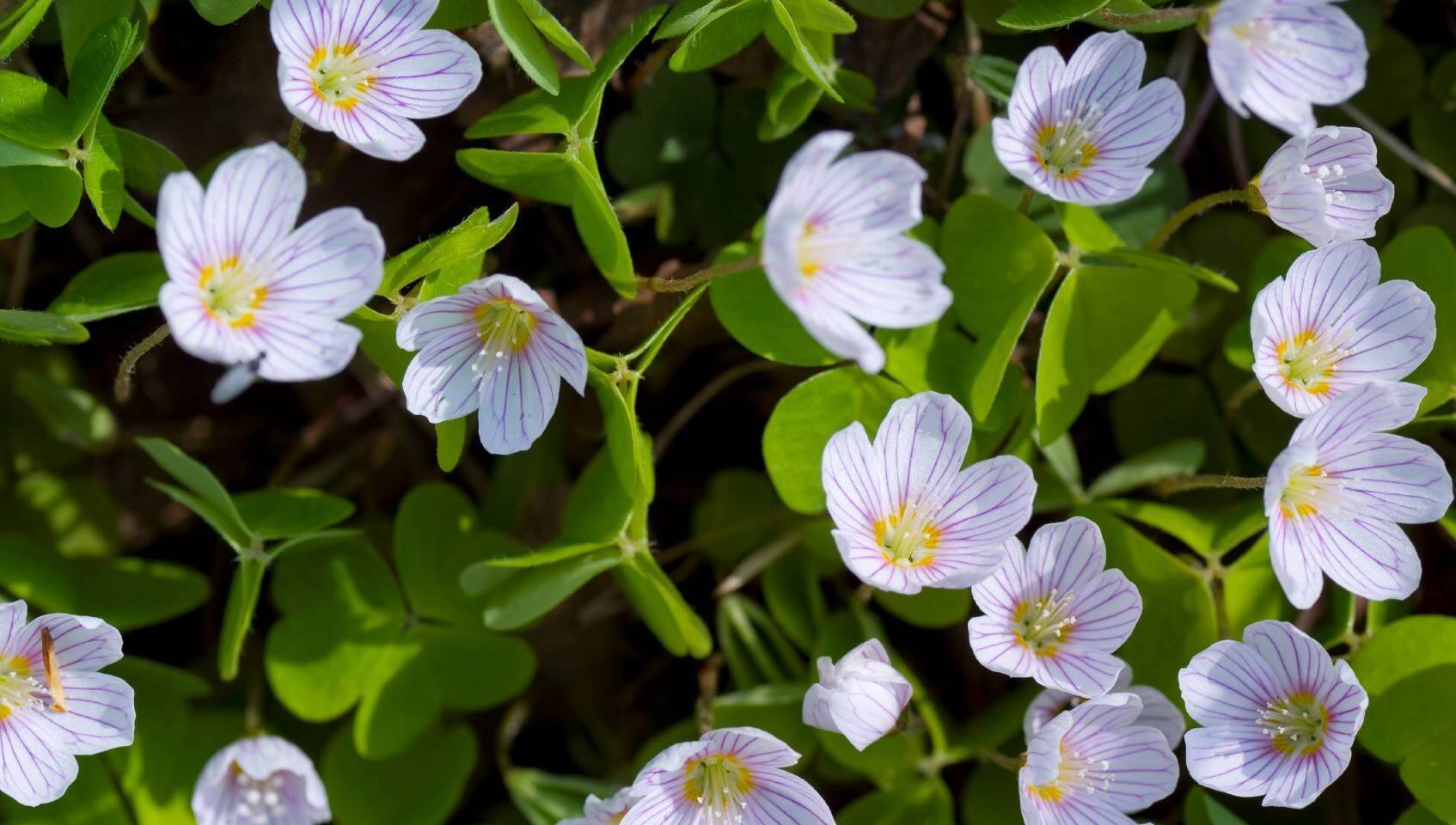
Some plants go to sleep at night, opening their petals with the morning sun and closing them again at dusk. Oxalis, often called the sleeping plant, folds both its leaves and flowers every evening before reopening the next morning. Picture: iStock
If you have ever wandered through a garden in the evening and noticed flowers folding themselves shut like tiny botanical umbrellas, you are not imagining things. Some plants really do go to sleep at night, opening their petals with the morning sun and closing them again at dusk. It is one of nature’s quieter spectacles. Less dramatic than a storm rolling across the Atlantic or a murmuration of starlings overhead but no less fascinating. While we are fumbling toward the coffee machine every morning, many flowers are already responding to invisible biological alarms, stretching open to greet the daylight. By evening, they tuck themselves in again like viewers pulling the curtains before the .
This daily floral routine is known as nyctinasty, from the Greek nyx meaning night and nastos meaning pressed down. In simple terms, it describes plant movements triggered by the cycle of day and night. And no, the plants are not tired. They are strategic. Plants may appear passive, but they are constantly responding to their surroundings. Opening and closing flowers is often about survival, efficiency, and reproduction. One major reason is protection. Night-time brings cooler temperatures, moisture, rain, and hungry nocturnal visitors. Delicate pollen can become damp and less effective if exposed to dew or rain overnight. By closing their petals, flowers protect their reproductive parts from damage and preserve valuable pollen for the next day’s pollinators.
Another important reason is timing. Many flowers open when their preferred pollinators are active. There is little point advertising bright petals and nectar rewards at midnight if the bees are asleep themselves. Flowers that rely on daytime pollinators, such as bees, hoverflies, and butterflies, synchronise their opening hours with insect activity. It is essentially floral business hours: open when customers are expected. Some scientists also believe closing flowers may help conserve warmth. In cooler climates such as Ireland, where summer can sometimes feel more like a rumour than a season, trapping warmer air inside the flower may improve pollen development and reproductive success.
But how do plants actually know when to open and close? Plants are highly sensitive to light. Special cells can detect changes in sunlight and darkness, while an internal biological clock, known as a circadian rhythm, helps regulate timing. Even when placed in constant darkness in laboratory experiments, some plants continue opening and closing according to roughly 24-hour cycles, showing that these rhythms are hardwired into their biology. The movement itself is caused by changes in water pressure inside specialised plant cells. As water moves in and out of these cells, petals or leaves expand and contract. It’s like a microscopic hydraulic system powered by sunlight and internal timing mechanisms. It is engineering, just on a very tiny and very leafy scale.
Some plants are so reliable in their movements that people once attempted to use them as clocks. Swedish botanist Carl Linnaeus famously proposed a “flower clock” in the 18th century, arranging species according to the times they opened and closed throughout the day. In theory, you could estimate the time simply by looking at which flowers were open in the garden. Admittedly, it probably worked better than relying on Irish weather forecasts.
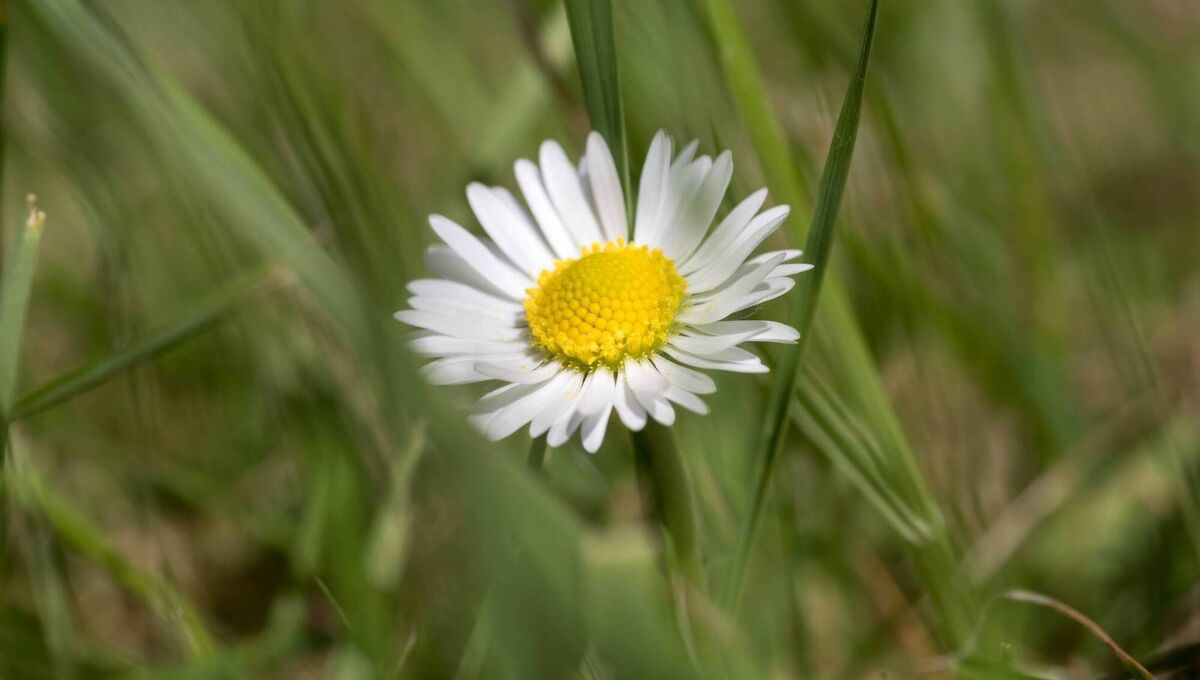
Many familiar flowers follow these daily opening-and-closing rhythms. The humble daisy is perhaps one of the best-known examples. Its petals spread wide in daylight and fold inward in darkness or poor weather conditions. In fact, daisies can even act as miniature weather forecasters, often closing before rain arrives.
Tulips are another classic example. Warm sunlight encourages their blooms to open fully, while cooler evening temperatures trigger them to close again. Anyone who has grown tulips in Ireland will know they can look spectacularly cheerful at lunchtime and deeply unimpressed by late afternoon. Then there is oxalis, often called the sleeping plant, which folds both its leaves and flowers every evening before reopening the next morning. Some species perform this so dramatically that they appear to collapse overnight, only to spring back to life at sunrise. Morning glories, as their name suggests, open early in the day and often close by afternoon. Their blooms are beautiful but fleeting. It’s the botanical equivalent of people who are highly productive before noon and entirely useless after 3pm.
Of course, not all flowers work the day shift. Some species do the opposite, opening only at night. Evening primrose and moonflowers bloom after dark to attract moths and other nocturnal pollinators. These flowers often have pale petals that are easier to spot in low light and produce strong fragrances that become more noticeable at night. While daytime flowers cater to bees and butterflies, night-blooming species are effectively running the late-night economy.
The daily opening and closing of flowers are a reminder that plants are far more dynamic than we often realise. We tend to think of gardens as static scenery but plants are constantly sensing, responding, and adapting to the world around them. They track time, detect light, react to temperature, and coordinate with insects in ways that are surprisingly sophisticated. Next time you see a daisy folding up for the evening, remember it is not dying, sulking, or offended by the weather. It’s protecting itself, conserving resources, and waiting for better conditions. Not bad advice from something without a brain.
CONNECT WITH US TODAY



Be the first to know the latest news and updates