Esther McCarthy: My addiction to Vinted isn’t very sustainable
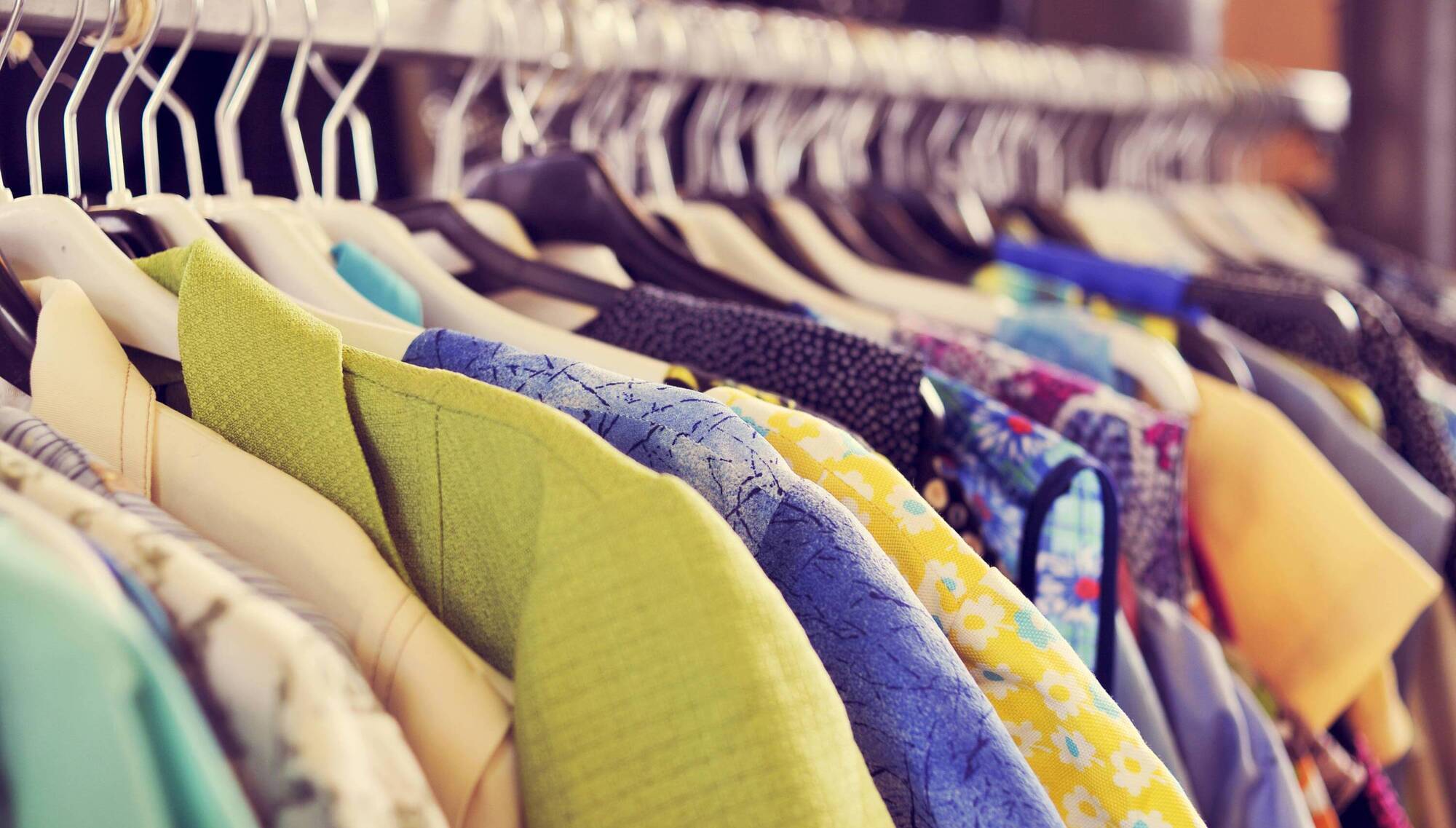
I do love a charity shop haul, but for me, 2026 signalled the Year Of Vinted
Esther McCarthy: My addiction to Vinted isn’t very sustainable

Esther McCarthy: So, one of my new year’s non-resolutions for 2026 was to try not to buy anything new. 

As this week’s edition of Weekend is all about sustainability, I have a confession to make. Lads, I’m on the rebound.

Not from my relationship, obviously, he’s not getting away that easy, but from fashion.

It appears I’ve been a victim of the rebound effect. Let me explain.

So, one of my new year’s non-resolutions for 2026 was to try not to buy anything new.

We’re mid May and it turns out me giving myself carpal tunnel from patting myself on the back for only buying preloved is misguided.

CLIMATE & SUSTAINABILITY HUB

Now, I do love a charity shop haul, but for me, 2026 signalled the Year Of Vinted.

I set up my account in January with the firm intent to sell all my excess clothes in my wardrobe (and the ones in my husband’s drawers, hidden under the kids’ beds and in most of the attic. Shh, our little secret.)

But forgive-me-father-for-I-have-sinned, I haven’t even listed, never mind sold, one solitary thing. I have purchased a few bits though. Now, if you asked me this morning, I honestly would have guessed I bought maybe five or six things. But I checked my account there and to my chagrin, I realised I’ve bought 35 items and spent well over €900. Awks.

Included in my 2026 haul are 13 Joanne Hynes pieces. A Kurt Geiger rainbow bag and rainbow runners. Sequin dresses, sequin capes, a sequin collar.

An aspirational life rendered entirely in secondhand glamour.

Like, where do I think I’m going? It would be more in my line to buy a muumuu and stop fighting it.

Ooh, there are the Spanx jeans that I bought gleefully after I got the flu and lost a bit of weight and they fit me for exactly a day, and now they lurk in the back of the closet like the ghost of viruses past, one wear and a urinary tract infection away. I don’t think they’d come up over my knees.

Back to the rebound theory

It plays out something like this: I gleefully buy a Joanne Hynes piece that cost €200 new for €60.

I’m so smart! I’ve saved €140, self high five! But that saving, both financial and psychological, just serves to free me up to buy more.

The low price lowers the barrier, the secondhand origin neutralises the guilt, and suddenly I have 13 pieces from one designer in the first four months of the year, instead of the one new piece I’d have hummed and hawed over, tried on multiple times, annoyed everyone in my contacts by sending photos of myself wearing it in the changing room, before finally talking myself into it.

But there’s also a psychological dimension specific to platforms like Vinted — the gamification of it all.

Is there more exhilaration, like the thrill of the find to the midlife lady? Or what about that fear of missing out on a bargain?

This is new. I can’t remember it being so important before. Or the unadulterated buzz when you spot the perfect piece AND it’s 100% free shipping?

It stops being about need or even want and becomes about the hunt. I am a lioness and that laser-cut necklace is the baby gazelle. That early Joanne Hynes crystal couture hairband that I swooped in on for a measly €45.79? It isn’t really a purchase, it’s a score. A fix. Could I go as far as to say it’s an addiction?

Irish Examiner columnist Esther McCarthy says there's a quiet contradiction at the heart of the sustainable conversation.

I was supposed to be feeling all lovely and smug and circular-economy-ish, but truth be told, there is no way I’d have spent close to a grand on clothes from a real shop in four months. I’m supposed to be on a budget.

And the kicker of it all is, the one night out I’ve had recently, I was lamenting that I had nothing to wear and ended up in a suede poncho I bought when I was 17 for 50 pounds, I saved up for months for it. There’s a lesson in there somewhere.

The broader research on this dates back to economics and energy use when fuel-efficient cars were introduced and, whaddya know, people just drove more. The same principle has since been applied to food (low cal products just made people eat more), energy-efficient appliances, and now fashion. Turns out human nature is remarkably consistent in its ability to find a workaround.

I feel like this is the quiet contradiction at the heart of the sustainable fashion conversation. 

The resale revolution was supposed to help us consume less. Instead, for many of us, it’s simply made it easier, cheaper, and guilt-free-ish to consume more.

A precious €50 designer piece feels like a virtue. Thirteen of them feels like a problem.

So, as you are my witness, I declare I will not buy anything for the month of May, and by the first Saturday of June, I’ll have listed at least three pieces.

Wish me luck, and if you care about me at all, don’t send me any links to anything with sequins — I’m a preloved-oholic and I’m only on day one.

x

More in this section

Lifestyle

Newsletter

Eat better, live well and stay inspired with the Irish Examiner’s food, health, entertainment, travel and lifestyle coverage. Delivered to your inbox every Friday morning.

Cookie Policy Privacy Policy Brand Safety FAQ Help Contact Us Terms and Conditions

© Examiner Echo Group Limited