Wild Matters: The coexistence of gardens and nature
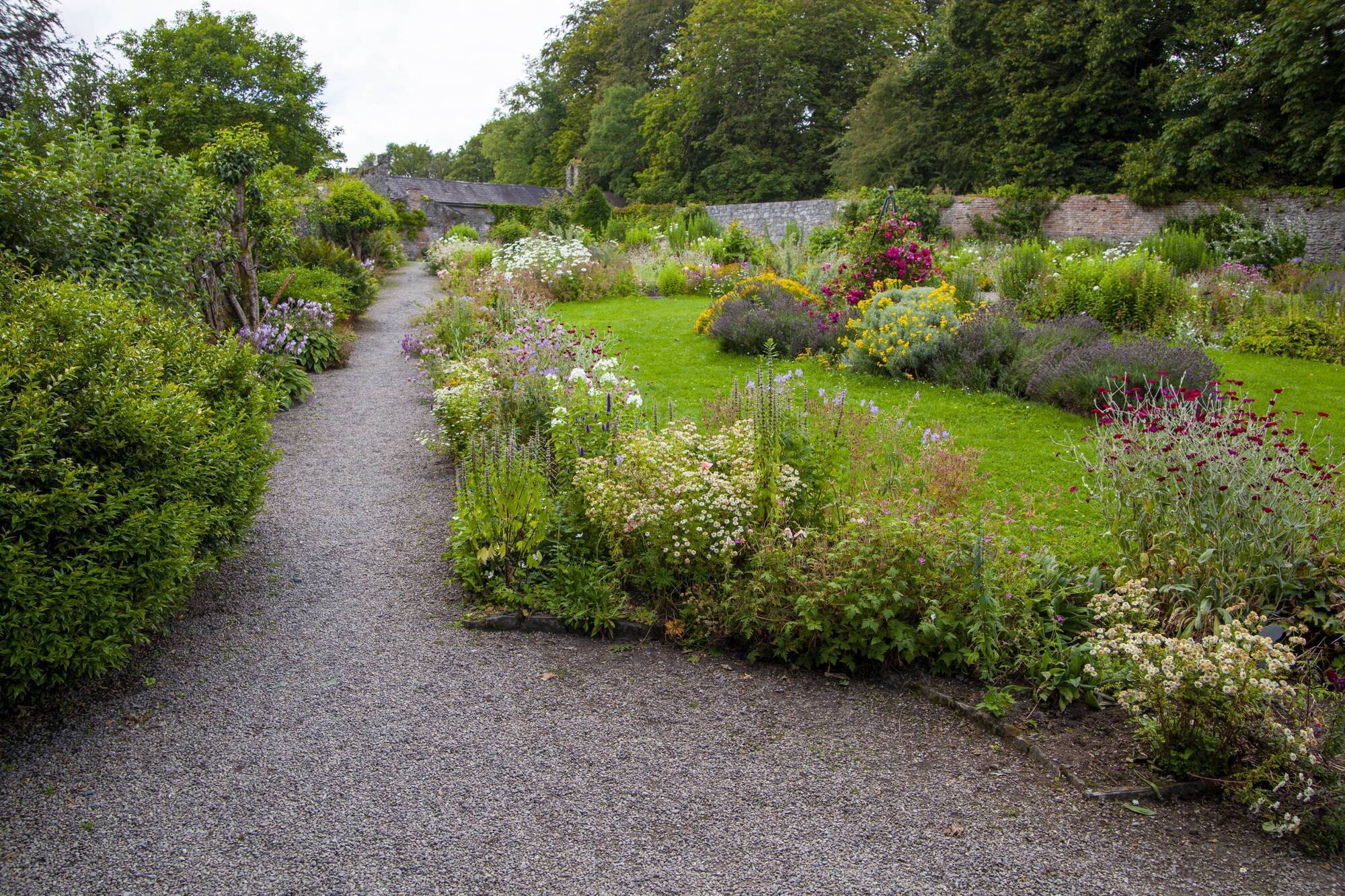
The return of bright, warm days has us all back out in the garden, tidying up, mowing, weeding, and perhaps admiring the planted flowers. But culturally, we are waking up to the idea of allowing more wild nature in our gardens by, as just one example, perhaps leaving the lawnmower in the shed for the month of May. Picture: iStock
The return of bright, warm days has us all back out in the garden, tidying up, mowing, weeding, and perhaps admiring the planted flowers. Our gardens are places of solace, where we can be ‘outdoors’ yet sheltered, where we can enjoy the colours and textures of plants and trees, often selected especially for their aesthetic appeal. We can sit in comfort in the company of the occasional robin, butterfly or bumblebee.
But how much wild nature do we really allow in our gardens? Richard Mabey opens his book ‘The Accidental Garden’ quoting the Poet R.S. Thompson’s statement that the garden is ‘a gesture against the wild / The ungovernable sea of grass’ which, according to Mabey, “sounds like a summary of the whole human project. We struggle to find a gesture in our relations with the natural world which is more like a handshake than a clenched fist”.
For those of us with the luxury of having a garden, it is worth questioning to what extent we manage the space like a handshake or a clenched fist. Neatly mown lawns that have been sprayed to eliminate moss and broadleaf herbs; tightly trimmed hedges of leylandii, box or laurel; ‘weeds’ soaked in herbicides now browning as the summer rolls in; manicured rows of annual plants set in peat moss compost, perhaps surrounded with slug pellets - these are some of the practices to be categorised in the ‘clenched fist’ end of the spectrum.
Culturally, we are awakening to the need for a more accommodating approach. We might begin to open the fist and extend toward a handshake by planting in a few native birch trees around the perimeter or by leaving the lawnmower in the shed for the month of May. Planting pollinator friendly perennials in flower borders is easy and appealing. But with a growing awareness of the many wild bees now threatened with extinction, in Ireland as elsewhere, and the alarming collapse of many of our beloved native butterfly species, people are beginning to realise that we can all go further.
CLIMATE & SUSTAINABILITY HUB
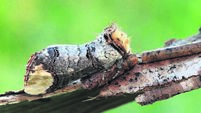
Right now, tortoiseshell butterflies are eagerly feeding on energy rich nectar from dandelions and crab apple blossom and laying their eggs in among the nettles. Native hedges filled with pollen rich hawthorn flowers scent the air through the month of May. Purple flowers of clambering wild vetchlings and delicate dog violet alongside the hedge offer up nectar and pollen for many of the 30 native bumblebee species. Self-sown ox-eye daisies appear in the verge of their own accord provide sustenance for many butterflies.
Tiny flower clusters on native holly are out in profusion now too, offering up their nectar for Holly-blue butterflies, as well as egg laying opportunities among the holly thicket. Robins, wrens and blackbirds are busy nesting on the thicket of native thorny hedges and picking caterpillars from the leaves of native trees nearby. Silver birch’s fresh canopy of diamond shaped leaves offer habitat for a multitude of micromoths, which in turn provide the sustenance that bats seek out as they pass through the neighbourhood on their nightly foraging.
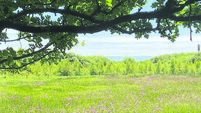
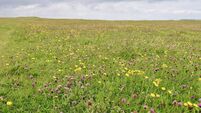
When we leave the lawn grass to grow tall and diversify over time, richly textured meadows fill up with wildflowers such as knapweed, selfheal, wild carrot, red clover, cow parsley and meadow buttercup. Once the lawn is rehabilitated as a meadow, we can listen for the bush-crickets and grasshoppers who sing courtship duets on sunny summer days. We can watch the meadow brown and ringlet butterflies basking on sheltered leaves to soak up the sun, tasting with their feet as they go. We can relax to the sound of swallows, swifts and house martens flying in wide loops above the garden, gathering up flying insects on the wing to feed to their nestlings nearby. We can celebrate the cessation of weedkillers and know that by not doing harm, we are no longer obliterating opportunities for the lives of wild invertebrates that form the basis of these wild food webs.
And rather than ornamental water features of more formal gardens, a wildlife pond won’t take long to become a thriving habitat for pond skaters, water boatmen, damselflies, whirligig beetles, frogs and even newts. Swifts, swallows and bats will also benefit from the addition of a new pond in the neighbourhood, providing a richness of invertebrate life and access to drinking water. Likewise, a log pile will be home for frogs at all times of year, and a hibernaculum for overwintering peacock butterflies.
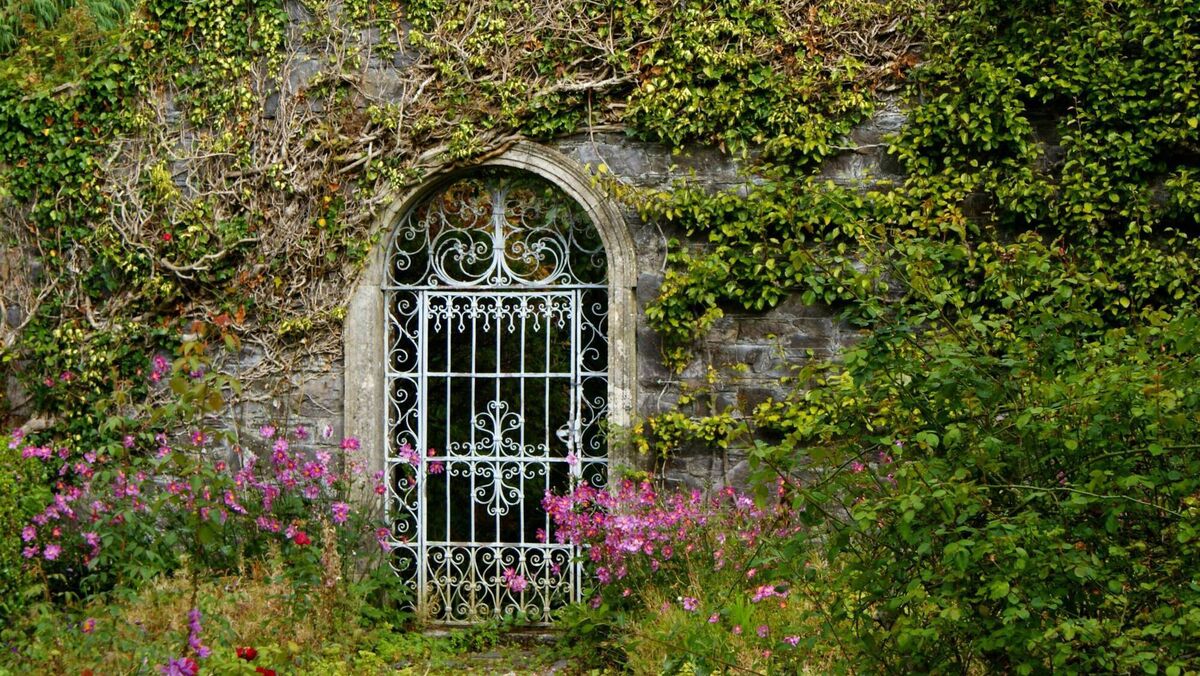
Resisting our cultural tendency to ‘tidy’ everything up gives untold opportunities for wild creatures. For example, allowing native ivy to clamber the garden wall gives shelter, feeding and nesting habitat for birds, bats, and brimstone butterflies who hibernate among Ivy’s evergreen leaves. Ivy flowers also offer copious quantities of nectar and pollen for bees, butterflies and hoverflies. Stepping back a little and learning to observe and admire whatever wild things are moving in can be a joyous journey for the whole family.
I’ve been inspired by wild gardens that I’ve visited these past few years, each with its own colourful cast of wild things. From small city gardens to those spanning an acre in the countryside, inviting in wildlife allows for a richness of texture and a soundscape that no manicured garden can match. Our gardens can be enchanted spaces, in to which we simply step outside the door to admire the many creatures whose lives run parallel to ours, so full of character and charm. They are spaces where we can rethink our levels of empathy and respect challenge our assumptions about control versus coexistence.
- Resources for welcoming wildlife in to gardens include Hares Corner and lots of practical guidance on Polinators.ie
- Anja Murray is an ecologist, broadcaster and writer. Her latest book is published by Gill books, 2025.
CONNECT WITH US TODAY



Be the first to know the latest news and updates