Random sleep times ‘increase heart risk’ — Experts share top sleep tips
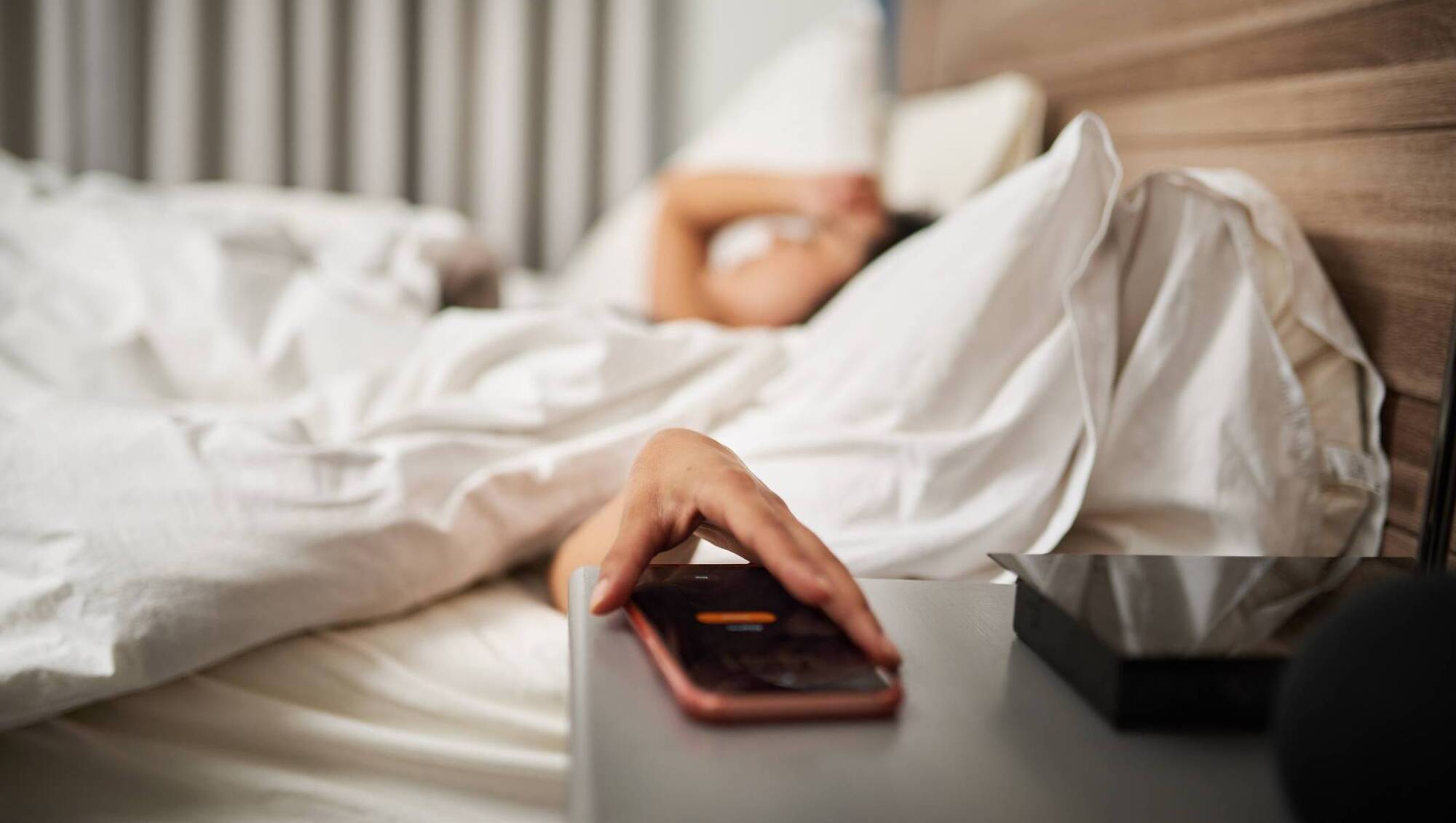
Irregular bedtimes increase by 20% the risk of heart attack and stroke. Picture: iStock
Researchers analysed the sleep data of 10,000 adults who wore activity-tracking devices as part of the US National Institutes of Health’s All of Us research programme.
Variations in sleep time from one night to the next over six months were associated with a 20-23% increased risk of serious cardiovascular problems, including heart attacks, strokes, and heart failure.
Meanwhile, a greater number of complete sleep cycles each night was associated with a 28% lower risk of atrial arrhythmia, a common type of irregular heartbeat. However, unusually long sleep cycles were linked to a 55% higher risk of heart attack or stroke.
With growing evidence highlighting the importance of consistent sleep habits, we asked an occupational therapist, Adele Crow, for advice on how to correct an erratic sleep schedule.
“Try and stick to a realistic time to wake up every day that works for you,” says Crow.
“We all have an internal body clock, called a circadian rhythm, and if you’re getting up at a regular time each day, that will train your internal body clock.
“When we have that regular sleep pattern, our body knows and will help us to wake up naturally at that time.”
If you’re not sure about your best sleep schedule, consider starting a sleep diary to spot patterns.
Crow says: “Keeping a sleep diary might help you figure out what the best wake-up time is for you and how much sleep your body needs. It can also help map your mood and concentration, and how many times you’re waking up during the night.”
Struggling to get up? A sunrise alarm clock could stop you from hitting snooze.
“A sunrise alarm clock gradually lights up the room when it’s darker in the autumn and winter and can help you gradually wake up,” says Crow.
“During the day, we build up what’s called sleep pressure, also known as tiredness. Therefore, if we nap during the day, we reduce that sleep pressure, which then makes it harder for us to fall asleep, or means we are more likely to wake up during the night because we’ve not got that sleep pressure,” says Crow. “So, try to avoid napping during the day, where possible.”
However, if you must nap, she recommends keeping your naps under 30 minutes.
“If you do have a nap that’s longer than 30 minutes, then you will go into deep sleep, which then makes it harder for you to fall into deep sleep at night,” says Crow.
“Make sure that you get outside and get some exposure to daylight, especially in the mornings,” says Crow.
Daylight is our body’s natural sleep medication and controls our body’s internal clock.
“Going outside and getting some light in the morning initially suppresses melatonin (our body’s sleep hormone) production, but then also helps give us a boost of melatonin in the evening, which is when we need it,” says Crow.
“In the winter months, it can be harder to get that natural light. But it’s still really important that you get out in the light when you can.”
“It’s really important that we get moving, especially in the mornings, because aerobic exercise helps our body release chemicals that tell the brain that we’re awake and alert and raises our body temperature,” says Crow.
“Exercise also helps increase our sleep pressure which will then help us to sleep at night.”
However, she advises against exercising too close to bedtime.
“Try not to exercise too much at night, because if our body temperature spikes and the chemicals and hormones are rushing and telling our body and our brain that we’re awake and alert, then it will be harder to get to sleep,” says Crow.
“Don’t spend too much time in your bedroom outside of the times that you’re sleeping,” Crow says.
“You want your brain to associate the room with sleep, rather than a room in which you do other things.”
“Think about your sleeping environment, such as the sensory factors in your room,” says Crow. “Avoid clutter and too much visual stimulus.”
Lighting and comfort can make a big difference, she says.
“You might want to consider putting some blackout blinds up or changing your duvet. Think about what factors you could adjust to help improve your sleep,” says Crow.
“Think about what you’re doing in those 30 minutes before bed to wind down,” says Crow.
“You could dim the lightning in your room, switch off any screens, and do some calming activities, such as reading a book, listening to music, or some journalling, or whatever else that you need to do to tell your brain that you’re ready for bed.”
CONNECT WITH US TODAY



Be the first to know the latest news and updates