'I was diagnosed with stage four prostate cancer, it put everything in perspective'
From ongoing elevated PSA readings to passing blood in the urine, two men recount the warning signs of one of the most common cancers
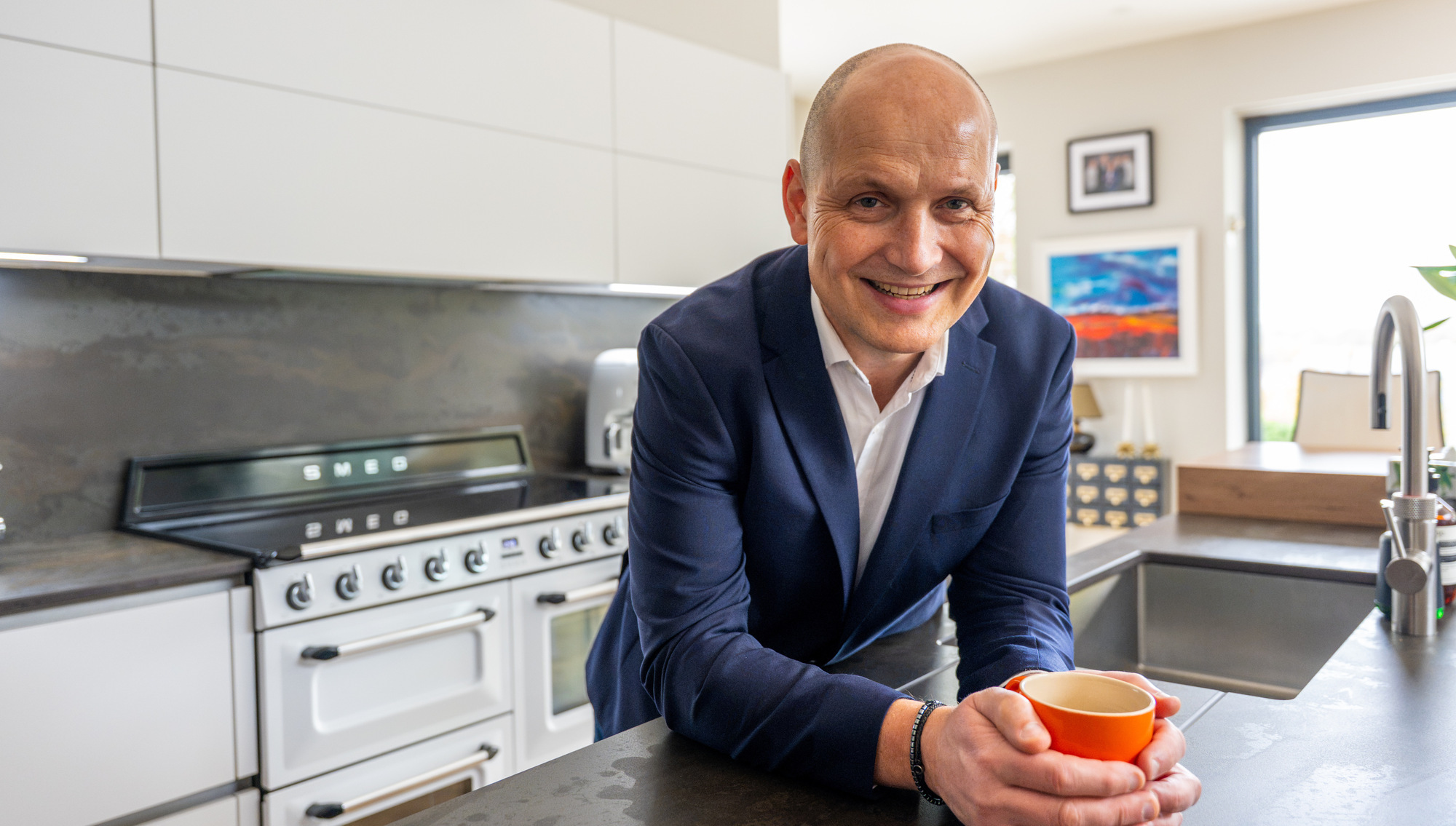
Alastair Dunne recovered from stage four of prostrate cancer in 2023. Picture: Noel Sweeney

Alastair Dunne recovered from stage four of prostrate cancer in 2023. Picture: Noel Sweeney

At age 56, Michael Dalton, who lives in Watergrasshill, Co Cork, was “meandering through life quite happily”.
He was “being a responsible adult”, getting regular blood tests twice a year, and was feeling well.

On one of his blood tests, his PSA (prostate-specific antigen) levels were elevated. His doctor mentioned it, but at that time indicated there was no cause for concern and they would continue to monitor the levels.

However, his PSA levels remained elevated, and he was referred to a urologist for “further investigation”.

“At that stage, I still wasn’t experiencing any symptoms, but a physical exam, an MRI, and a biopsy in November 2022 revealed I had prostate cancer.

“It’s quite numbing to receive a cancer diagnosis. It’s a new world, and a lot of thoughts invade your head. How am I going to tell my family? Can I hold onto my job, and how will this play out in the long term?”

He says his wife and two daughters, one a teenager in college at the time and the other in her 20s, “shouldered the news well”.

“While I didn’t make light of it, I did assure them that it was very treatable.”

Following his diagnosis, Dalton underwent a bone scan to determine if the cancer had spread to his bones.

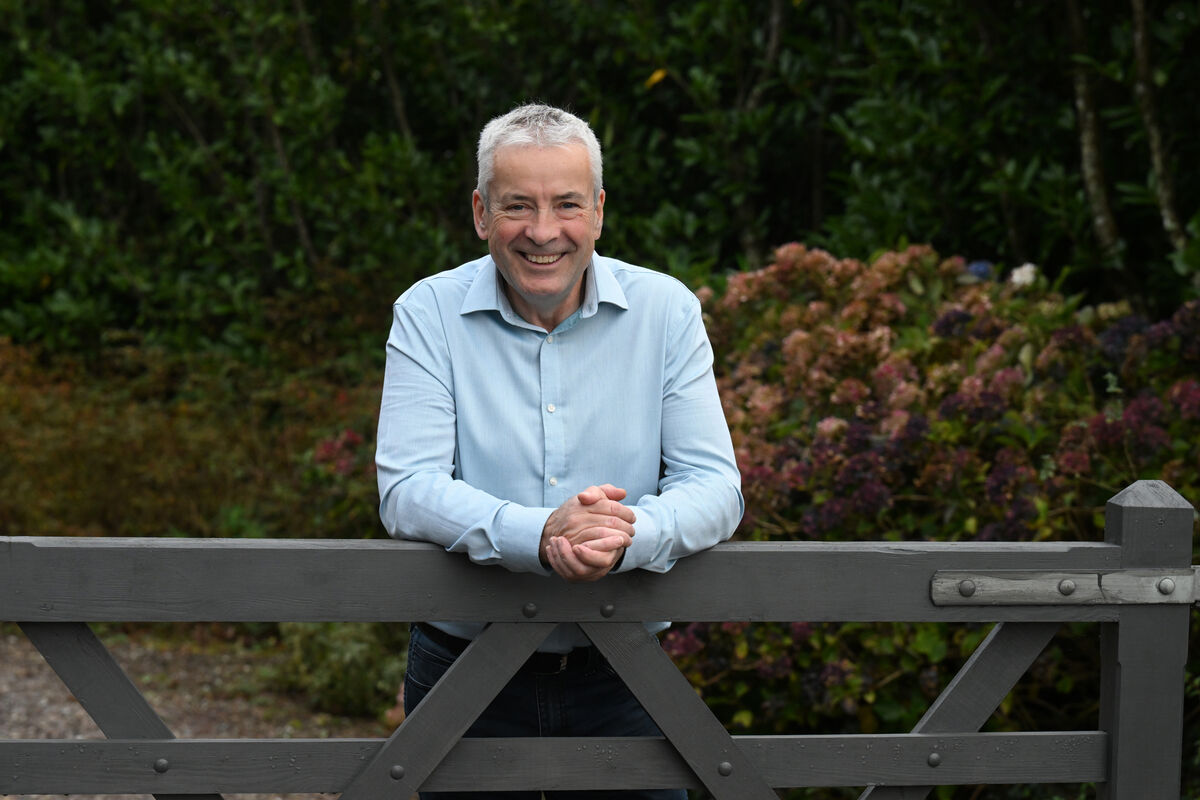
Michael Dalton, living in Cork but originally from Dungarvan, Waterford, was diagnosed with prostate cancer in October 2022 aged 56. The father-of-two had no symptoms leading up to his diagnosis, the only early indicators were slightly elevated PSA (prostate-specific antigen) levels. Picture: Larry Cummins

When that test came back negative, his oncology team devised a treatment plan.

Given the choice of surgery or active surveillance, he opted for surgery, saying “Let’s cut this out and move on”. He underwent a robotic radical prostatectomy at the Mater Hospital, Dublin, in early February 2023.

The surgery was a success, and the initial prognosis was good. But a blood test nine weeks later revealed persistently high PSA levels. “The consensus was that the cancer was still lurking. I was referred to a consultant in the Bons in Cork who recommended I have a 30-session programme of radiotherapy and a year-and-a-half of hormone therapy [also called Androgen Deprivation Therapy (ADT].”

Hormone therapy or ADT works by reducing a patient’s testosterone levels to stop the cancer growing.

While he “sailed through” the radiotherapy, he found the ADT difficult. He experienced symptoms like brain fog, extreme fatigue, aches and pains, hot flashes: “I had a new sympathy for my sisters going through menopause.”

During his treatment, Dalton worked remotely for his company, a Dublin-based engineering consulting firm.

“I was able to continue my job even though I wasn’t firing on all cylinders. My employer was very accommodating, and it meant I was free from any financial stress.”

Also central to his recovery were two communities: One was the Cork ARC support centre for people and families who have been through cancer. Here, he was introduced to positive health coaching, which he says was “an invaluable part of figuring out the process of recovering from cancer”.

You’re thrown into a new world when you’re living with or dealing with cancer. You’re caught up in that world and then when the treatment ends, you walk out the door, and there’s a sense of what now?

That’s where ARC became so important, says Dalton. “The positive health coaching is so empowering because you’re given the time to acknowledge that you’re not the person you were. You probably never will be again, but you’re trying to regain some kind of control.”

Dalton also took part in the UCC pilot LIAM Mc trial, which is funded by the Irish Cancer Society. He was one of seven who took part in the 12-week programme that involved a specialist nurse, a dietitian and physiotherapy support, including advice on how to maintain an exercise or gym routine following his surgery.

Members of the group have remained in contact. “We formed a WhatsApp group and meet up regularly. Before we had cancer, none of us was gym goers, but now most of us are still using the gym. We learned so much from the programme. We were all a bit in the wilderness before LIAM Mc reached out and brought us into the fold.”

Now, 18 months after his treatment, Dalton says he is feeling good, and importantly, there is “no evidence of disease”.

Routine medical

Alastair Dunne, also living in Cork, was 50 in early 2022 when a routine medical at work revealed high PSA levels. The results weren’t passed on to his GP, and though the Corkman got the report himself, he didn’t act on it either. “I hold my hand up and take responsibility for that. It took me a while to get over it,” he says.

By November 2022, he noticed that he was passing blood in his urine and began feeling uncomfortable. “The minute I felt any discomfort, I went straight to my GP. Nothing obvious showed up in subsequent tests but I was referred to a urologist.”

In March 2023, after more tests, including a biopsy, Dunne was diagnosed with stage 4 prostate cancer.

He vividly recalls receiving the diagnosis. “I went on my own because I was confident it was nothing serious. The urologist was very direct. He said,‘ You’ve got cancer. It’s stage 4’.”

The father of three says it took him a while to process the news. “I was in shock when the urologist told me, and I drove home in a fog. My wife got very emotional when I told her. The next question then was, “How do we tell the kids’?”

Dunne’s three sons were young teenagers at the time. He and his wife were determined to be “upfront, straight and honest with them”.

We knew they’d know if we were hiding something. So I told them it was quite serious but that I was getting the best treatment.

He recalls that the boys’ only other experience with cancer was when their grandmother (Dunne’s mother) died from breast cancer late in life.

“They were very emotional, very upset, particularly my youngest son. But they rallied around each other, and over time they were amazing, a super support, and very positive and resilient.”

The cancer had spread beyond Dunne’s prostate into the surrounding lymph nodes. He says this narrowed his treatment options, with surgery ruled out.

While it had spread to his lymph nodes, Dunne explains the cancer was contained within the prostate capsule.

“My treatment plan was 30 rounds of radiation and then three years of ADT.”

The treatment was difficult, but Dunne says he eventually got into “a type of routine”.

The Rochestown man, who works in the supply chain division of a pharmaceutical company, continued to work during his radiotherapy. “I worked only because I felt I could. I wanted to keep myself busy to distract my mind.”

Sea swimming was also crucial to his mental strength during his treatment. “I swim in Myrtleville every weekend, and I have a huge network of friends that I go swimming with. It cleared my head, and from a wellbeing perspective, it was my go-to.”

At the beginning of April 2026, when his hormone therapy finished, he was told there was no evidence of cancer in his system. Three years after his initial diagnosis, Dunne says he feels “very lucky”.

It’s put everything into perspective. It’s made me realise what’s important: my family, my health. But likewise, things in the past that might have stressed me out, I no longer get too worked up about. I think ‘It’ll pass, we’ll get over it’.

Common cancer

Prostate cancer is the second most common cancer in Ireland. Each year, around 4,500 men are diagnosed.

Heather Groarke, Irish Cancer Society cancer awareness nurse with a specialty in prostate cancer, explains that most men are diagnosed in their 60s but she stresses that the risk begins to rise from age 50.

She cautions that while a PSA blood test is helpful “it’s not a definitive test” for prostate cancer.

“PSA levels can be raised for different reasons other than cancer, including an enlarged prostate gland.

She adds that prostate cancer often causes no symptoms. When symptoms do occur they may include difficulty starting to urinate, weak or interrupted flow, needing to urinate more often, especially at night, an urgency to urinate, or a feeling the bladder hasn’t fully emptied.

These urinary symptoms are often caused by benign prostate enlargement rather than cancer.

Groarke’s advice for men is to “speak to a GP about their health if they notice anything new, persistent or unusual, or if they’re at increased risk because they have a family history of prostate cancer or are Black.”

More in this section

Lifestyle

Newsletter

Eat better, live well and stay inspired with the Irish Examiner’s food, health, entertainment, travel and lifestyle coverage. Delivered to your inbox every Friday morning.

Cookie Policy Privacy Policy Brand Safety FAQ Help Contact Us Terms and Conditions

© Examiner Echo Group Limited