How to make your 'sexspan' go the distance

Satisfying sex is linked to improved mental health and longevity. All the more reason for midlife women to seek support if they experience gynaecological problems
Dr Rita Galimbert says: ‘It’s not always about libido, it’s often about pain during sex.’

Dr Rita Galimbert says: ‘It’s not always about libido, it’s often about pain during sex.’

First came lifespan. For decades, we were advised on ways to maximise our chances of living longer. Then came healthspan and yet more tips on how to stave off chronic disease, disability, and physical and cognitive decline as we aged.

Now, sexspan has entered the chat. The term was coined by US obstetrician and gynaecologist Dr Sally Greenwald, who argues that satisfying sex is key to a long and healthy life. At her clinic in California, she charges annual membership fees of more than $10,000 to clients whom she treats for low sexual desire, difficulty with arousal, the hormonal changes of perimenopause and menopause, and other issues that impede their enjoyment of sex.

Greenwald’s clients are wealthy but it’s not just the elite who are maximising their sexual health. The global sexual wellness industry is burgeoning and projected to be worth €52bn by 2035.

The sexspan concept is backed by science. A 2024 study found significant associations between sexual activity, lower rates of depression and anxiety, and higher life satisfaction. Another study from the same year found a link with longevity.

Women who were less sexually active had a 46% higher risk of dying during the study than women who got amorous more often.

Aoife Filmer, lead physiotherapist and pelvic health specialist at MaxPhysio in Cork, says there are health benefits to being sexually active at all stages of life. Many of these benefits derive from the orgasm, which Filmer says is “much more than a pleasurable sensation”.
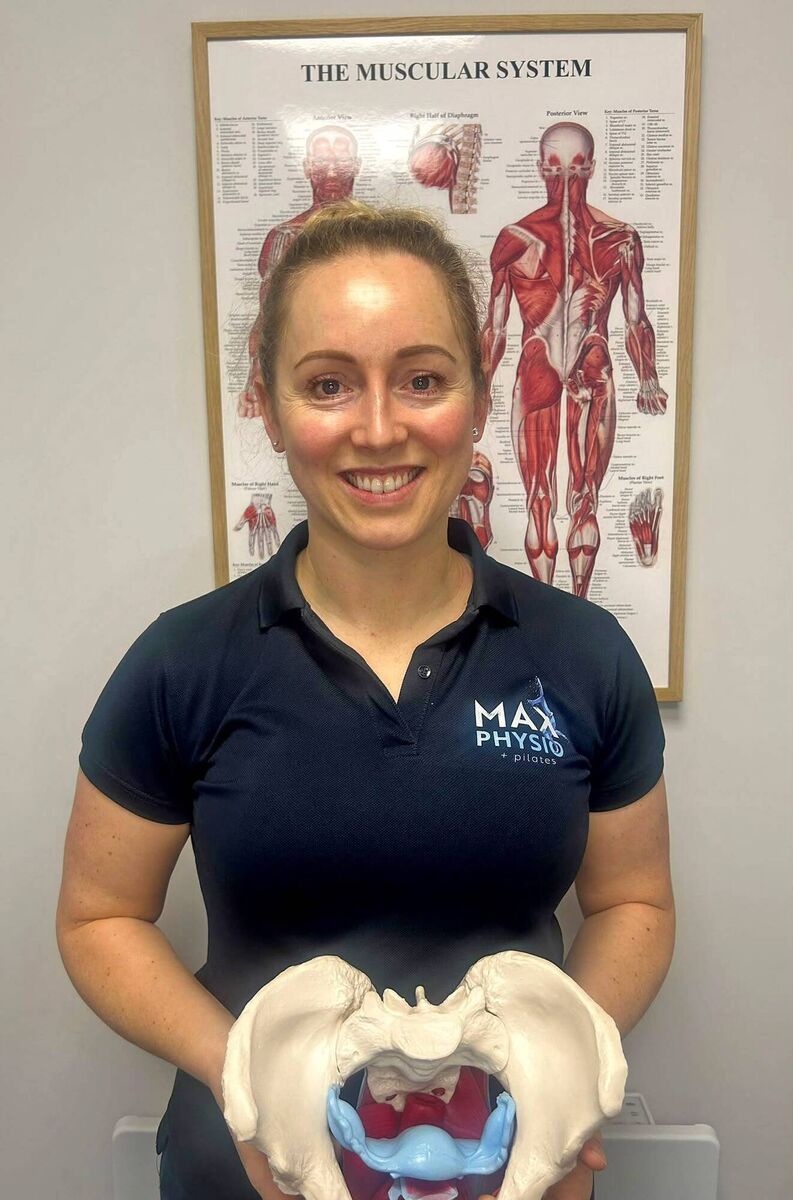

Physiotherapist and pelvic health specialist Aoife Filmer

“The hormones released during and after an orgasm give us feelings of closeness, connection, and relaxation,” she says. “Even without a partner, the dopamine and endorphins contribute to motivation levels and the adrenaline and noradrenaline help with circulation.”

The latter can be particularly important for older women. “As women approach menopause and beyond, declining oestrogen can contribute to reduced genital blood flow, thinner and less elastic vaginal tissue, reduced lubrication and discomfort,” says Filmer. “Sexual arousal and orgasm help by increasing blood flow to the genital tissues, boosting health, function and responsiveness.”

Dublin-based somatic sexologist Makia Mullen says orgasms can have other positive effects. “They support the nervous system, hormonal balance, sleep, mood, and overall vitality. Pleasure is also one of the most accessible ways we have of feeling at home in our bodies. It doesn’t have a use-by date and doesn’t even require a partner. It’s our birthright at every age and stage of life.”

Sexologist Makia Mullen: ‘Orgasms can help sleep, mood, and overall vitality.’

However, research shows that women may not be reaching their full sexual potential. According to a 2018 study, 95% of heterosexual men usually or always orgasm when sexually intimate, but only 65% of heterosexual women do.

One of the reasons for this orgasm gap is that women’s bodies undergo significant change as they age. Mullen points out that “pregnancy, birth, breastfeeding, perimenopause, and menopause bring shifts in hormones, tissue quality and health, sensation, energy and desire”.

Dr Rita Galimberti, an obstetrician and gynaecologist and founder of Dublin women’s health clinic Femplus, says that many of her patients ask for help with low libido. However, in the majority of cases, “once I question them, it emerges that their problem isn’t to do with libido at all. Their problem is uncomfortable or painful sex.”

 Dr Rita Galimberti, obstetrician and gynaecologist and founder of Dublin women’s health clinic Femplus. 
Dr Rita Galimberti, obstetrician and gynaecologist and founder of Dublin women’s health clinic Femplus. 

In younger women, this sexual discomfort can be caused by pelvic muscles being too tight.

“Women used to be told to relax and have a glass of wine to solve this problem,” says Galimberti. “But it’s a physical problem that needs physiotherapy.”

Pregnancy and childbirth take a toll on women’s sexual enjoyment too. They can weaken the pelvic floor muscles and cause some women to leak urine during sex.

In older women, sexual discomfort is often linked to hormonal changes that begin in menopause. As oestrogen levels decline, Galimberti says, “vaginal skin becomes thinner, drier and more delicate”, causing pain during sex and recurrent urinary tract infection.

“The clitoris can also get smaller due to reduced blood flow, which means it takes longer for women to get aroused and achieve orgasm.

“There are many reasons why women find sex painful, uncomfortable or embarrassing. I’ve had patients who’ve stopped having sex altogether.”

But it hasn’t to be this way. Laura Dowling, known as the @fabulouspharmacist online and the author of Love Your Vulva, shares a story that shows women can have satisfying sex into old age.

“After one of my talks on intimate health, a lady in her 70s said she hadn’t had an orgasm since her husband died and wanted to know how to have one without a partner. I told her about sex toys, and a few weeks later, I got an email saying she had tried one and had a wonderful time. It really is never too late to enjoy sex or to start enjoying it again after a break.”

Toys aren’t the only things that can revive a woman’s sex life. HRT can make a big difference to perimenopausal and menopausal women, and adding testosterone into the mix can boost libido.

Menopause advocate Davina McCall credits the hormone with boosting her flagging libido in her 40s.

However, Galimberti warns that “testosterone won’t fix everything, and neither will HRT”.

“If your problem is vaginal dryness, you will need vaginal oestrogen, which is applied directly to the vulvovaginal area to treat genitourinary symptoms of menopause and to support vulvovaginal tissue, lubrication, elasticity and comfort,” she says.

Using lubrication during sex can also help, as long as it’s used correctly. “So many women think that it goes on the man’s penis,” says Galimberti. “It doesn’t. It should go inside the woman.”

Pelvic floor dysfunction

Filmer suggests other ways of maintaining sexual wellbeing throughout life. Addressing pelvic floor dysfunction is one.

“Your pelvic floor needs to be able to engage and relax,” she says. “Good coordination of both contributes to good sexual function. If you experience pain, discomfort with penetration, reduced sensation or difficulty achieving orgasm, pelvic physiotherapy can help identify why and address the underlying problem.”

Looking after your overall health is another. Filmer says that “cardiovascular health, regular exercise, good sleep, nutrition, and stress management all influence sexual health because blood flow, hormone balance, neurological function, and psychological wellbeing are all connected to the sexual response.”

Laser treatment for vaginal laxity post-childbirth is an example of the more cutting-edge techniques now available to optimise women’s sexual response. Galimberti offers it in her clinic. She compares it to the cosmetic use of lasers on the face and says it works by “increasing collagen in the vagina, making it more elastic so that penetration becomes more comfortable and increasing blood flow to the clitoris to make sex more pleasurable”.

However, some important caveats apply to these treatments. The biggest one, says Filmer, is that “treatment needs to be appropriate for the individual and based on a proper assessment. We need to be confident it doesn’t cause further harm.”

Galimberti points out that pelvic floor chair treatments — which use electromagnetic energy to stimulate the muscles and nerves of the pelvic floor — are being administered by unqualified practitioners.

“Pelvic floor chairs can be helpful for pelvic floor function issues or urinary incontinence but it’s vital that those issues are diagnosed first,” she says. “Pelvic floor chairs tighten up the pelvic floor muscles and if your problem is that your pelvic floor muscles are already tight or your vaginal tissue is thin, dry or delicate, pelvic floor chairs will make things worse.”

Dowling worries about the marketing used for some treatments. “It’s wonderful that women’s sexual health is finally being taken seriously,” she says. “But tightening or ‘cleaning’ a vagina implies there’s some beauty ideal to aspire to. Vaginas shouldn’t smell like a pineapple or be a certain diameter. They come in all shapes and sizes, just like women.”

Mullen adds that “women’s insecurities have been preyed upon since the dawn of modern marketing and entire industries forged on the message that female bodies are problems to be fixed and that the fix can be purchased.”

Distorting views

Pornography may be one of the factors distorting our view of women’s bodies. Mullen says, “It has shaped a narrow and often unrealistic picture of what bodies — particularly vulvas and vaginas — are supposed to look and feel like. It’s difficult for women not to measure themselves against that benchmark, especially when they are vulnerable after having children and their bodies have changed so drastically.

“Most have never received a real education about their own anatomy, so what they absorb from culture fills the gap. Bringing in accurate information and real, diverse representations of bodies and eroticism goes a long way towards loosening the vice grip of porn.”

The experience that comes with age can loosen that grip. Mullen’s older clients have told her that their sexuality has become richer with age because “they are no longer performing and are finally listening to what their bodies genuinely want”.

Filmer urges more women to listen to their bodies. “You don’t have to put up with discomfort or assume it’s part of getting older,” she says. “Painful sex, vaginal dryness, bleeding after intercourse, recurrent infections, or significant changes in sexual function deserve assessment. So look after your vulvovaginal skin, explore what brings you pleasure, communicate your needs and seek support if necessary.”

Reach out for help if you experience any changes in your sex drive or function, she adds. “Changes in libido, arousal, lubrication, or orgasm can be influenced by menopause, childbirth, medications, contraception, chronic conditions, and stress. Don’t automatically accept these changes as something you simply have to live with. Speak to your GP or a medical practitioner about your options.”

A long sexspan in which we enjoy orgasms and sexual satisfaction into old age can help us maintain our health throughout our lifespan.

“Being able to feel pleasure at any age, alone or with a partner, is part of the full experience of life,” says Dowling.

“Women should never be dismissed for wanting sex later in life. Their intimate health should be looked after so that if they decide to have sex, it’s done freely and joyfully without shame or judgement.

“Everyone deserves that freedom, regardless of age.”

A Healthy Sex Life

Experts share their top tips for women who want to maintain healthy sex lives and the ability to enjoy orgasms as they age.

1. Physiotherapist and women’s pelvic health expert Aoife Filmer believes your attitude is all-important. “Don’t let anyone tell you there is an expiry date on sexuality. Pleasure should remain a vital part of your wellbeing at any age.”

2. Keep the conversation open. Talk to your partner about your particular needs, what you enjoy, what you might like less or more of, and the ongoing changes in your body.

3. Sexologist Makia Mullen recommends making time to explore your body and your intimate erotic anatomy. “We’re told about periods and reproduction, but most of us have never been given pleasure-centric education where we learn about the true erotic potential of our body. If we don’t have an accurate map of our own erotic landscape, it is very difficult to feel empowered to explore our pleasure or communicate what we want or enjoy.”

4. Self-pleasure is not just about masturbation. Mullen maintains that “exploring pleasure beyond the confines of purely erotic touch is valuable because it widens our capacity to receive sensation of any kind”. Examples include taking a warm bath, massaging oil onto your body or even slow, mindful breathing and gentle stretching.

5. Allow time for arousal. Filmer explains that arousal is not always immediate, particularly as we age. Longer foreplay, sensual touch, and massage can help.

5. Sex doesn’t have to involve penetration. Kissing, cuddling, edging, mutual masturbation, oral sex, and playing with sex toys can all be intensely pleasurable.

6. Try to maintain intimacy at all levels. Physical affection, communication, fun, and emotional connection all play a part in connection, which can drive sexual

desire.

7. Don’t assume that being single means you don’t get to enjoy regular orgasms. As Mullen says, “the most important person we should maintain a sex life with is ourselves”.

More in this section

Lifestyle

Newsletter

Eat better, live well and stay inspired with the Irish Examiner’s food, health, entertainment, travel and lifestyle coverage. Delivered to your inbox every Friday morning.

Cookie Policy Privacy Policy Brand Safety FAQ Help Contact Us Terms and Conditions

© Examiner Echo Group Limited