Sowing the seeds of change: 'We have to re-learn how to eat with the seasons'
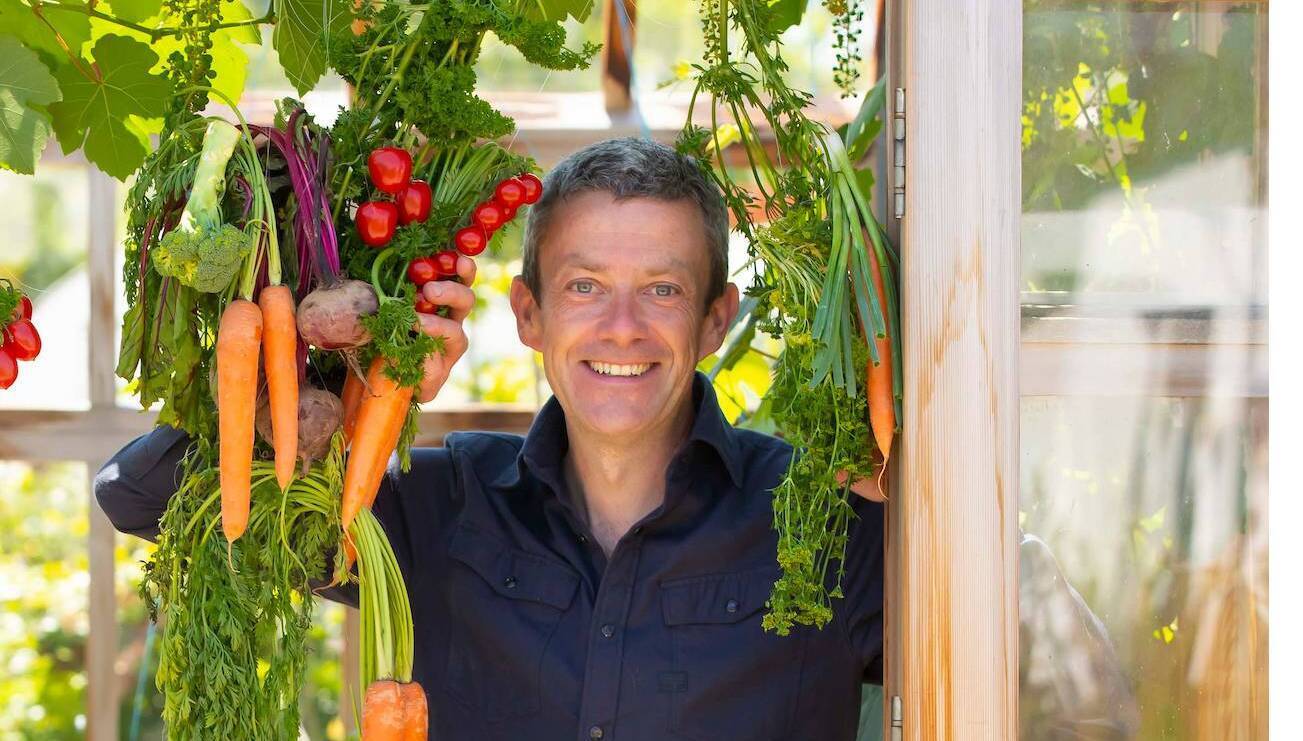
GIY founder Mick Kelly says that growing food is something we can all do. We have a model that works, but we need the political will and funding to make it a reality
Mick Kelly, founder of GIY. Photo: Patrick Browne

Mick Kelly, founder of GIY. Photo: Patrick Browne

Nearly two decades after founding GIY, Mick Kelly is on a mission to change Ireland’s relationship with food. From school programmes to veg-box schemes, he believes growing and buying local, whole food can help build a more resilient food system.

Food security is a big concern for Kelly, but he believes most people don’t realise how precarious the food system is in Ireland.

“We export 90% of the food we produce, and then we import four-fifths of the calories we consume. That’s a bonkers system that is not serving anyone particularly well, except a handful of large agri-food businesses. A system like that may have made sense in the stable world of 10 years ago, but it makes no sense in the current chaos and conflict. The supply chains we rely on for all those imports are very vulnerable now, and [Ireland] is dangerously exposed.”

Despite former president Mary Robinson and President Catherine Connolly both being openly vocal on the issue of food security, Kelly says the message “isn’t being heard by the political class”.

“I fear it’s going to take a major shock to the system for the penny to drop that actually we need to be able to grow this food ourselves.”

Growing food is something Kelly knows we can do, and he sees a bright light among food producers who are selling directly to consumers through farmers’ markets and vegetable boxes.

“The direct-to-consumer veg producers and farmers that are bypassing the system are getting it right. Local food farmers on very small land banks, maybe three to 10 acres, most of them feeding maybe 200 families each. It’s small-scale stuff, but there’s huge potential in it, if only they were given the visibility and the support they need, including a basic income.”

The support, he says, would go towards helping to build a community resilience around food systems, which “is really missing at the moment”.

With its podcast, TV shows, events, courses and school programme, Kelly’s GIY is an instrumental player in the movement to re-establish our connection with food. Its Grow School programme has now reached around 730 schools. The programme aims to give children the experience of growing food while at school, helping them understand where food comes from. “It’s really important work. I know it’s just the tip of the iceberg in terms of what’s needed, but at least it’s a start,” says Kelly.

His frustration with policymakers is evident when he talks about the Grow School programme.

“We know the model we have works, and it’s ready for national rollout. It just needs government motivation and the funding to do it. The solutions are there. It just takes the political will to make it happen, and it’s frustrating that that’s not there currently.”

Improving access

With its vegetable boxes, filled with certified organic vegetables from the GIY Farm at Curraghmore, Co Waterford, Kelly hopes to make seasonal food easier to access. Demand for the boxes, which are delivered nationally every week, has “grown dramatically” as consumers become more interested in the provenance of their food, he says.

“I think we have to re-learn how to eat with the seasons, as opposed to being recipe-led.”

There are no seasons in the supermarket, says Kelly.

“Because you can buy whatever fruit or vegetable you want, whenever you want, we’re not being led by seasonality anymore.”

He explains that eating food when it’s in season can offer a distinct experience. “If you eat foods in season, they taste completely different, and I think that’s because they’re more nutrient-rich. I think that’s what you’re tasting.”

He describes seasonal eating as “a bit of a gateway drug”.

If the food tastes so amazing, it’s very hard to go back to the pale imitation of a carrot that’s spent three months on the back of a ship. To me, the key to unlocking that connection to food again is creating opportunities for those experiences.

He acknowledges that there are obstacles to people having these experiences. The increases in the cost-of-living mean people are often swayed by cheap vegetables in the supermarket.

But there’s a knock-on effect to this race to the bottom on vegetable pricing, Kelly says. “In March this year, a Kilkenny carrot grower who had 12% of the national carrot crop went out of business; that 12% is not coming back and will likely be replaced by imports.

“The uncomfortable truth here is the reason he went out of business is because they’re too cheap.”

According to Kelly, it costs approximately €1.20 to grow a kilo of carrots, and you regularly see them for 49 cents on promotion in supermarkets.

Looking at those figures, the numbers simply aren’t adding up for vegetable farmers.

“The reality for consumers then is they end up with less choice, and a second-rate product because it’s travelled so far to get here. Our food security is compromised. We have to turn it around.”

What can consumers do?

  • Move toward whole foods a little at a time rather than feeling you have to change everything at once.“It is pretty much proven that the healthiest and most sustainable diet you can eat is a whole foods diet.”
  • Grow some food yourself, even if it’s only a small portion of what you eat. “It might only be 5% of what you eat, but it’s better than nothing.”
  • Buy directly from local food farmers through farmers’ markets or veg-box schemes. “They need to be supported to make sure we don’t lose any more of them.”
  • When shopping in a supermarket, choose Irish produce. “Consumers have incredible agency and influence. We can use our money or our wallets to vote on the kind of food system we want to live in.”

Mission has evolved

At Grow HQ, on the Dunmore Road in Waterford, the GIY organic urban farm supplies a farm-to-fork café and a food growing cookery school. Here, Kelly and his team showcase what growing food in living soil looks and tastes like.

When Kelly first launched GIY in 2008, moving from a job in IT in Dublin, his mission was to help people to grow their own food. The mission has evolved since then, he says.

“It has moved beyond food growing, even though we still feel that’s a very important thing for people to do themselves, to become much more focused now on supporting a movement for real food and food security in all its facets.”

Based in the Grow HQ, Kelly feels “connected to the end user”, whether that’s through the courses he teaches or the work he does in schools. “It’s very inspiring when you meet someone who says, ‘I’ve changed the way I eat now because of your work’.”

With no farming or market gardening background, Kelly has embraced growing food and teaching others to do so. At home, he says he’s led by what’s in his veg patch. “We’re still eating tomatoes, cucumbers, and courgettes but that will change soon to more earthy, under-the-ground vegetables like brassicas, sprouting broccoli and kale. That’s what gives me the most pleasure, those [seasonal] changes. It’s the opposite of the mono diet that a lot of people follow, where they eat the same things all year round.”

While he refuses to call himself an expert, he says that over the years, he has mastered being able to produce enough food for his family.

“It’s not always perfect, but it’s always a joy.”

More in this section

Lifestyle

Newsletter

Eat better, live well and stay inspired with the Irish Examiner’s food, health, entertainment, travel and lifestyle coverage. Delivered to your inbox every Friday morning.

Cookie Policy Privacy Policy Brand Safety FAQ Help Contact Us Terms and Conditions

© Examiner Echo Group Limited