RUN with Rob Heffernan: Find your rhythm and stop worrying about everyone else
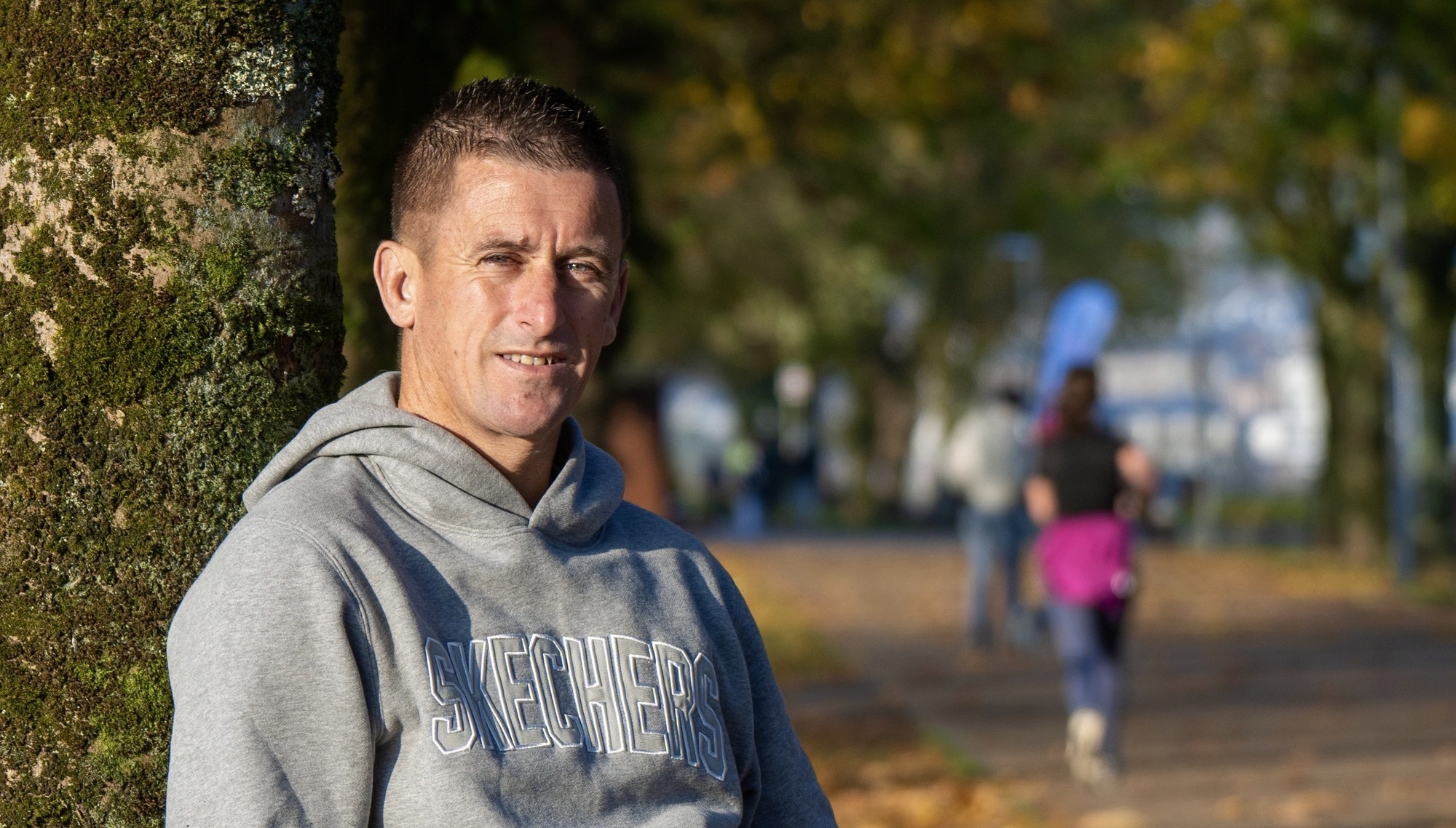
Rob Heffernan: "You’re allowed to be out there learning, getting fitter and taking walking breaks. You don’t owe anyone a good performance." Picture: Chani Anderson
At this time of year, you can spend longer deciding whether to go out for a run than you actually spend running. You look out the window, check the weather on your phone in case it has a better outlook, and start wondering whether you’ll have more time tomorrow.
I know how that conversation goes. But if you got out last week, whether it was for a walk, a run, or a session in the gym, give yourself some credit. Especially if you didn’t particularly want to go.
Whether you’re only getting started with a walk or you’re already doing a bit of running, the thing I’d love you to get from week two of RUN with Rob is a routine you enjoy. A bit of fresh air, some time to yourself or a chat with somebody as you go. It doesn’t all have to be about getting faster. And it certainly doesn’t help to spend the whole outing worrying about what anyone else thinks of you.
That last one has caught me out more often than you might imagine.
One of the most common mistakes when you start running is going too fast. You’re full of enthusiasm, you head off at a good pace and within a few minutes you’re struggling. Then you decide you’re no good at running.
You might be perfectly capable of running. You’ve just set off too quickly. And if you’ve been running a while, it’s worth asking yourself the same thing. Just because you can go harder doesn’t mean you have to every time you leave the house.
For these outings, try to keep to an effort where you could comfortably have a conversation. If you’re struggling to get a sentence out, ease back or walk for a bit. I’d rather you came home feeling you could have done a little more than wondering how you’re going to face doing it again.
You’ll hear plenty about pace, particularly if you look at running online. It simply means how long it takes to cover a kilometre. Someone else might be doing six-minute kilometres. That’s their business. It doesn’t tell you what you should be doing.
Your effort will depend on your fitness, the route, the weather and how well you slept. The same run can feel grand one day and hard work the next.
Walk when you need to. You haven’t spoiled the session by walking. You’ve adjusted it so you can manage it.
Some people love all the detail of training, and that’s grand if they enjoy it. But you don’t have to take on a whole new life just to go for a jog. There’s so much advice out there now that getting out the door can start to sound far more complicated than it is.
Should you land on your heel or the front of your foot? Breathe through your nose or your mouth? What should your arms be doing?
A little awareness is useful. Thinking about every moving part at once isn’t.
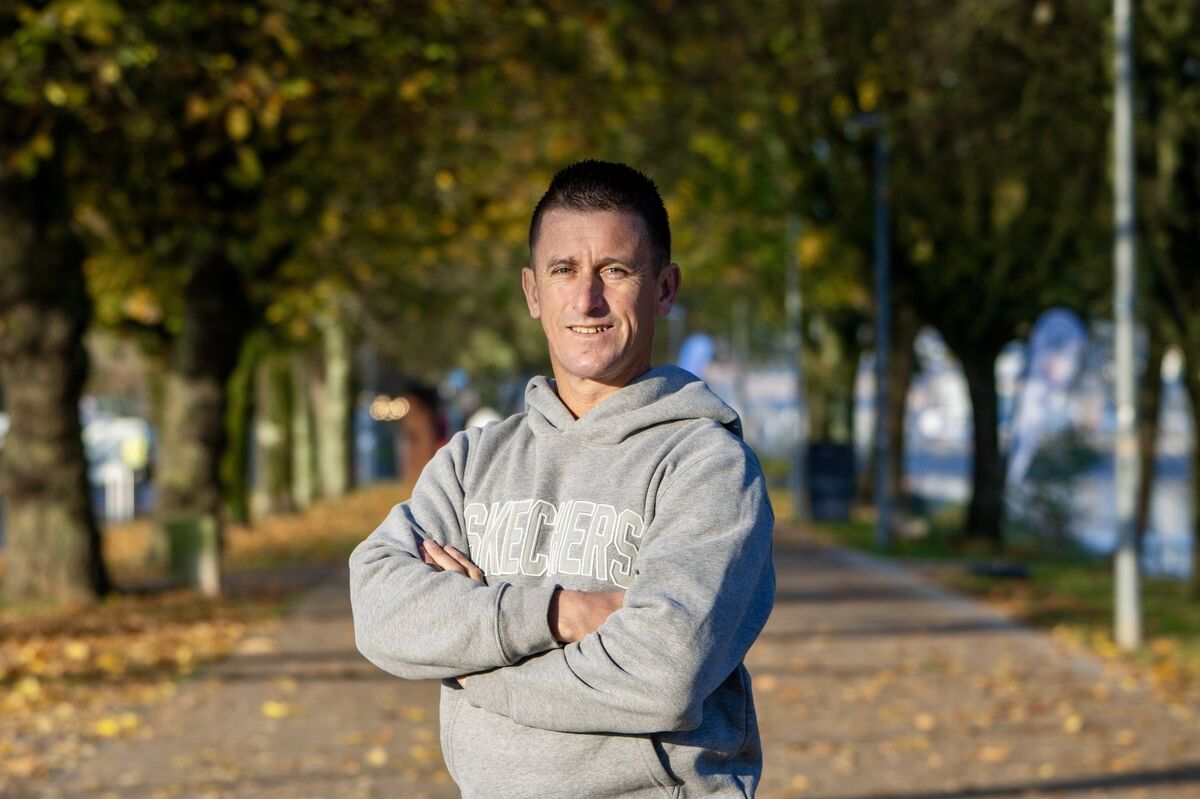
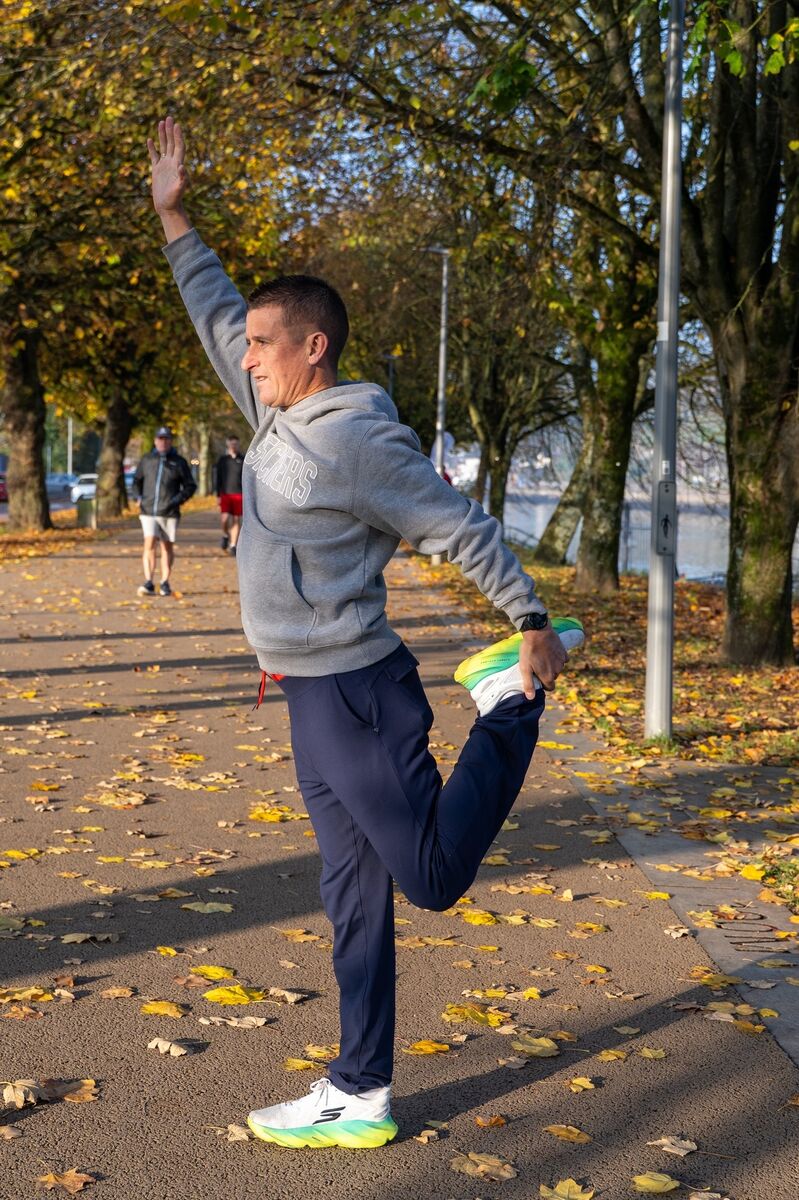
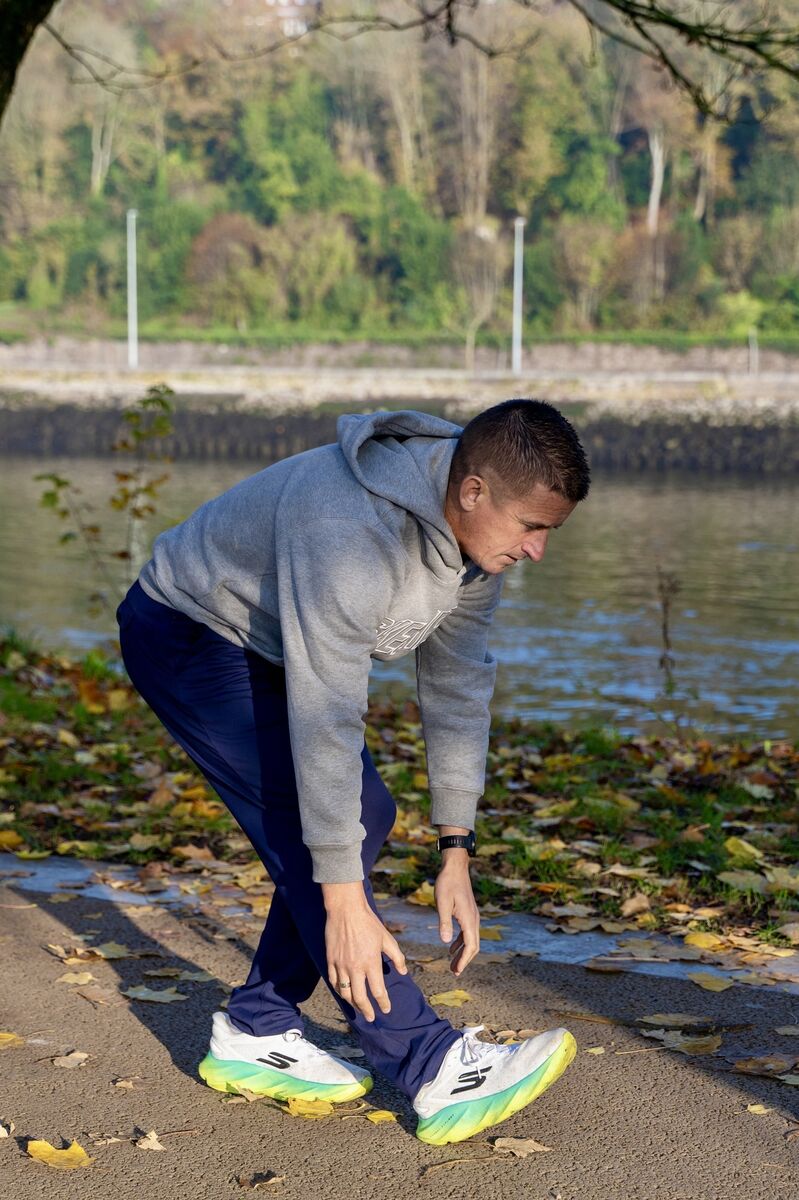
Keep your head up, your shoulders relaxed, and your core gently engaged. Think about keeping your hips underneath you rather than sticking your backside out behind you, without forcing anything. Let your arms move naturally. These are little things to be aware of, not a checklist to worry about with every step. You don’t need to run like a professional. Just find a way of moving that feels comfortable.
With breathing, let it happen naturally. Breathing through your mouth as the effort increases is normal. You don’t need to fight it.
Your breathing is a brilliant indicator of how hard you’re pushing your body. If you’re getting out of breath, slow down. There’s no point fighting yourself the whole way around. Become friends with your body. Your mind might have great plans for the session, but your body needs a say in it too. The two have to work together.
I’ve competed at five Olympic Games and won a world title, but I’ve still felt self-conscious going out training.
I always remember coming back after winning the World Championships. I’d taken a month off, and when I started training again, I’d go looking for places where there’d be nobody around to see me. I was that self-conscious about how I looked and how I moved.
When I look back now, it’s completely crazy. I’d won a world title, taken a month off, and somehow decided I needed to train in hiding. Nobody was judging me the way I was judging myself. It was all heightened in my own head.
But there’s another memory that has stayed with me for a very different reason. In 2006, I had a hernia operation. I was living in Carrigaline at the time, and the shop was a kilometre from the house.
A couple of days after the operation, I remember walking to that shop. It took me 32 minutes to do the kilometre, and I was delighted with myself. That’s my memory of my own recovery, not a timetable for anyone else after surgery.
I wasn’t thinking about what anyone else could do a kilometre in. I knew where I was starting from, and that walk was a step forward. That was enough to make me happy. I still remember the feeling all these years later.
That’s the comparison worth making: where you are now and where you were before. Not what somebody else is doing. Once you’re moving forward and making progress for yourself, nobody else’s time or distance matters.
If you can get out for a 20-minute walk and do that three or four times this week, that’s fantastic. Don’t talk yourself out of being pleased with it because you saw someone else running past. You don’t know where they’re starting from, and they don’t know where you’re starting from either.
So when somebody tells me they’re embarrassed about starting, I understand. I’m not going to tell you those feelings aren’t real. I’ve had them. But they aren’t necessarily telling you the truth about what other people think.
You’re allowed to be out there learning, getting fitter and taking walking breaks. You don’t owe anyone a good performance.
Try to notice how you speak to yourself afterwards, too.
If you went out intending to run and had to walk some of it, don’t dismiss the whole thing. You still got out. You still made time for yourself. You’ve also learned something about an effort you can manage next time.
And listen to your body. Some muscle soreness can happen after unfamiliar exercise, but sharp, persistent, or worsening pain isn’t something to push through. Slow down, stop if you need to, and get it checked if it persists.
Finishing early when something isn’t right is sensible. It doesn’t require an apology.
For me, there’s a lot to be said for being outside without needing much from it. A walk in the park, noticing what’s around you, getting away from a screen for a while. I find it clears my head. Some days that’s what I want from it, and I’m not too bothered about the distance. If it’s something you enjoy, it’s easier to make room for it again.
Let’s try to get out four days this week. Walk, run or mix the two, depending on where you’re starting. Keep it manageable, leave room for recovery and don’t force an outing if your body needs rest. The aim is to get a routine going, not wear yourself out.
If you’re only beginning, a walk is plenty. Ten minutes out and ten minutes home might suit you, or a shorter loop if that’s where you’re at. If you feel comfortable walking for 10 to 15 minutes before turning back, grand. Allow yourself at least as much time to get home. There’s no rush to add running before you’re ready.
If you’re already running a little, keep to a manageable amount this week rather than adding distance and speed together. Let the running feel comfortable, take a walking break if you need one and use a walk for one of the four outings if that suits. Getting a routine going doesn’t mean every day has to be harder than the last.
You can include a few simple, gentle movements too, such as marching on the spot and rolling your shoulders, as long as they feel comfortable. Then, when you’re moving, check in now and again: head up, shoulders relaxed, hips underneath you. Don’t spend the whole outing trying to get everything perfect.
And I’ll be honest, I’ve very little time for the big January reset. Why put it off until then? You can enjoy Christmas, have the craic and still get out for a walk or a run. One doesn’t cancel out the other. Missing a day doesn’t mean you have to write off the rest of December either.
I know I feel better in myself when I’m moving regularly. It helps my head, I feel better physically and I tend to look after myself a bit more, including what I eat. But that doesn’t mean Christmas dinner needs improving or I’m turning down every nice thing offered to me. I just don’t see why enjoying Christmas has to mean giving up something that makes me feel good.
You don’t need to be fit to start. You start to become fit. And confidence tends to grow the same way: you go out, discover you can manage it, and go again.
That’s what I want you to take from this week. Find your own rhythm and give yourself a chance.
And if you catch yourself worrying about how you look, remember me coming back from a world title and looking for somewhere nobody could see me. We can make things very hard for ourselves. There’s no need to add that to the walk.

CONNECT WITH US TODAY



Be the first to know the latest news and updates