Walk the talk: How staying active helps in the long run
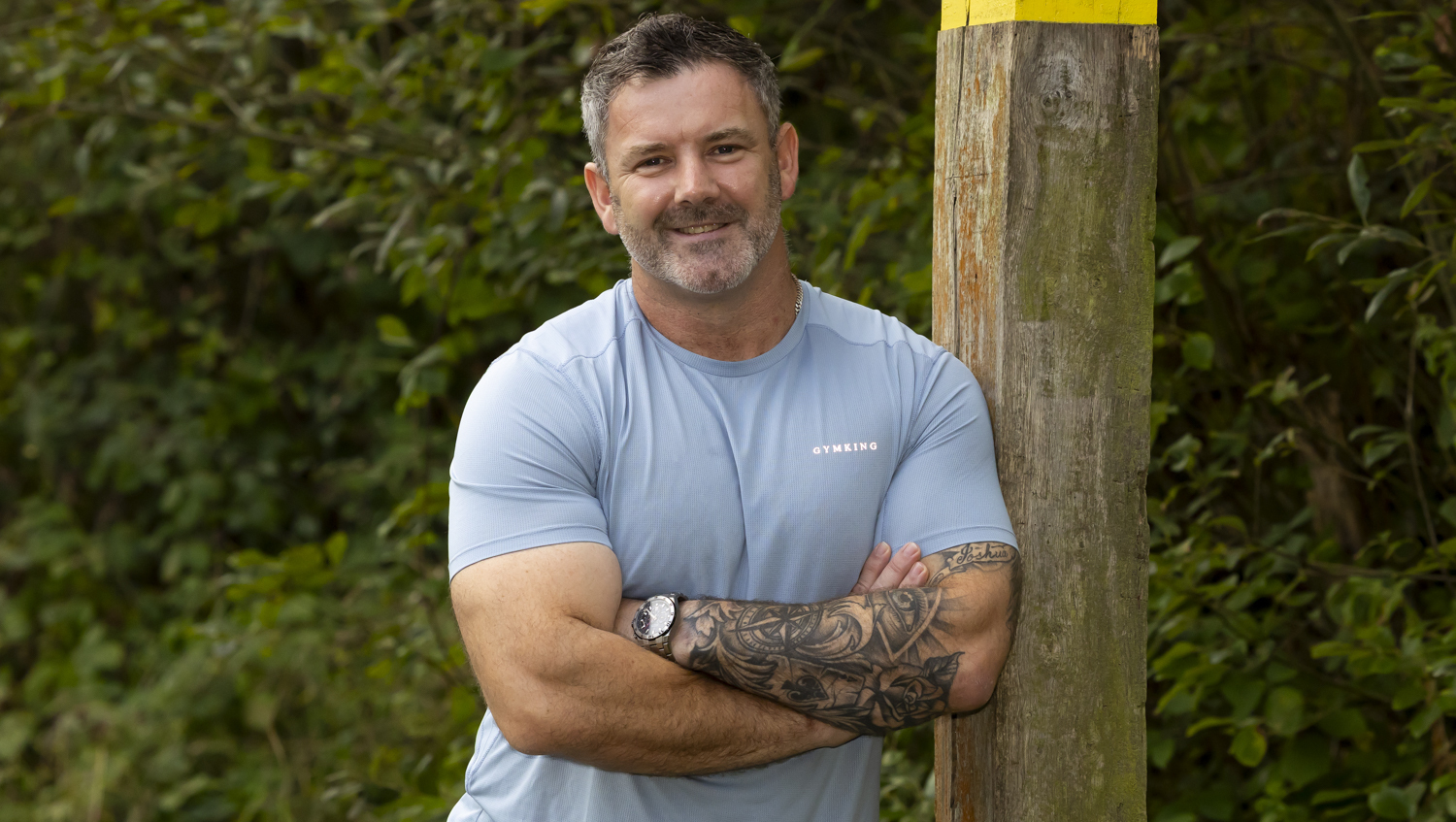
National Walking Week, which starts on Monday, encourages us all to get out and stretch those legs. It’s not only good for our general health, but it can also help calm the mind

Ever since our banishment from the Garden of Eden, humans have been condemned to walk the earth. And what a wonderful penance it’s been. Getting out for a ramble is as ingrained in our DNA as eating, drinking and procreating and is sometimes just as enjoyable. Not only are we built for walking, but it is also good for us.

From Monday, National Walking Week will do its bit to encourage us all to get out and stretch those legs. Now in its seventh year, the campaign culminates in National Walking Day, the original event around which the longer campaign has been built.

“It was covid when we got going on it,” says Linda Sankey, communications officer with Get Ireland Walking at Mountaineering Ireland.

“What we wanted to do was get everyone out and walk, and it seemed to resonate with people. They just got up and out that first year. We reckon about 700,000 people participated in some capacity. So after that success, we decided to turn it into a week. That’s six years ago now. And we want it to be bigger and better every year.”

Starting on Monday, September 21, with Mindful Walking Day, the week will focus on different themes and aim its messaging at different cohorts. Wednesday, for example, is Workplace Walking Day, which encourages workplaces, colleges, schools and youth services to support walking breaks for employees and students.

“It’s easy to end up stuck at your desk all day,” says Sankey. “So Workplace Walking Day really tries to focus on getting you away from the computer and out for a walk. When you sign up on the website and register, we send your packs and give you access to support with lots of tips and tricks on how to participate. It could be organising a walking work lunch, encouraging people to get off public transport a little earlier or encouraging them to walk to work.”

Last year, the campaign registered 87 events across the country. Judging by the numbers already signed up, it looks like there will be many more in 2026.

“Anything that promotes people to get out and walk and encourages that activity is good,” says clinical psychologist and health advocate Dr Eddie Murphy.

Dr Eddie Murphy says the rhythm of walking can be meditative 

“The world is changing so fast that walking takes us down to a human pace. Even though we walk for our physical health, we return with something restored psychologically. Walking gives the mind somewhere to go, and while it doesn’t solve the problem, it changes the mind that meets the problem.”

Regular brisk walking for around 30 minutes a day, five days a week, can help prevent age-related diseases and promote healthy ageing. That’s the conclusion drawn by a 2023 study in the international journal GeroScience. The researchers found that stepping it out reduces the risk of a whole host of ailments, including cardiovascular disease, diabetes, dementia and cognitive decline.

“We know that it improves sleep, boosts energy and helps with emotional regulation,” says Murphy.

“It lowers stress by lowering physical and mental tension and reduces symptoms of mild anxiety. We know physical exercise can have a huge impact on mood. If you think about it, the rhythm of walking is meditative.”

Waterford-based Brendan Byrne can only agree, based on his experience.

“You feel the steps, you feel the breath, and you become more present,” says the 50-year-old father of three. “I focus on the rhythm of the steps and the beat. I bring it up to a nice pace, then I feel the arms swinging, focus on the breath and place myself right where I am: listening, smelling, looking at trees and nature. Nature is a big part of it.”

Byrne, who works as a senior business coordinator with Bus Éireann, started walking regularly when he was faced with a confluence of personal life events that began to take their toll on both his physical and mental health.
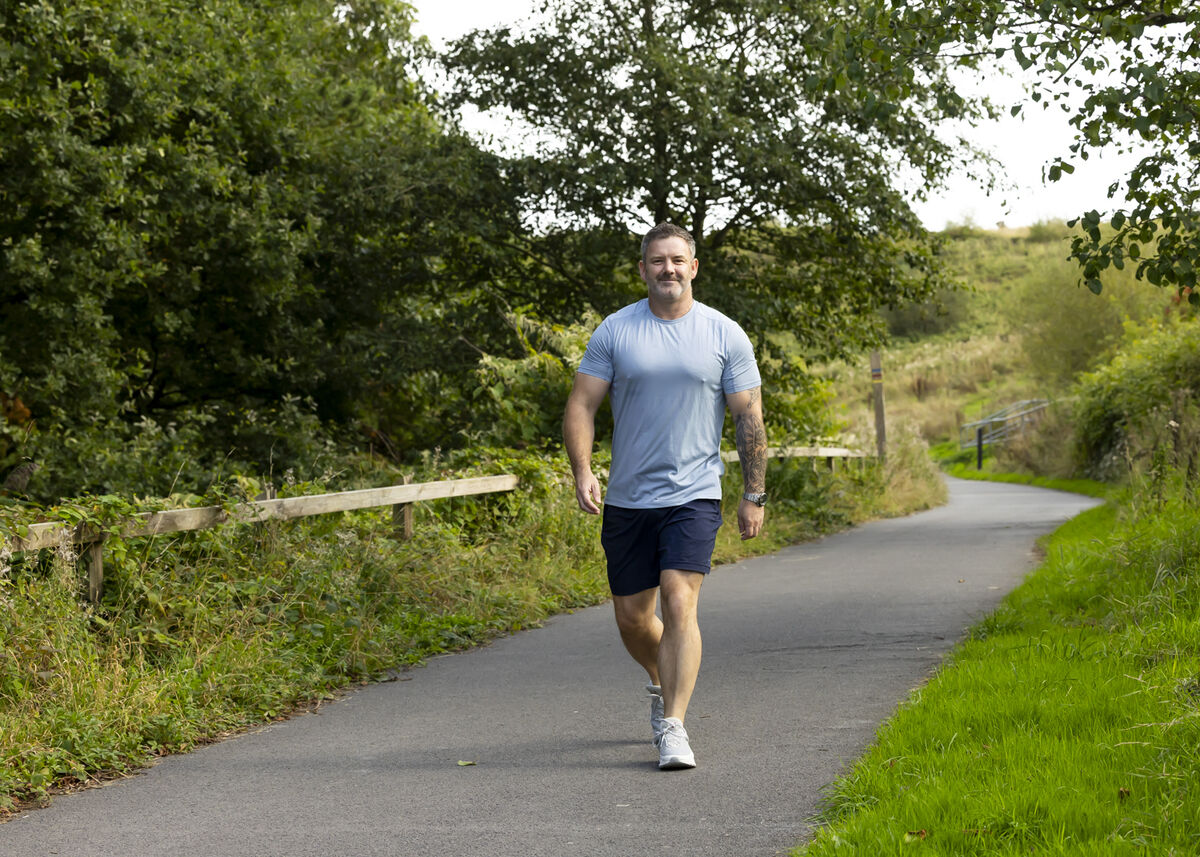
Brendan Byrne: 'I started going for longer walks and after about two or three weeks I began to feel better' Picture: Mary Browne

“It was a very messy time in my life,” recalls Byrne.

“My blood pressure was really high, and I was panicking about it. I remember going to the doctor one day. He knew me for years, and said to me: “Brendan, you’re a walking stroke.” That stark warning spurred him into action.

“I enjoyed fitness and did some work in the gym but there was very little cardio and I was too heavy for running,” he says.

“So I just started going for longer walks and after about two or three weeks I began to feel better, the clothes were becoming a little looser. It’s now got to the point where if I don’t get in the steps or the hour, my head is all clogged up and I’m anxious and agitated. I walk to work, and I walk home; that’s 12,000 steps straight away. If I don’t get to the gym, it’s OK because I’ve got my steps in.”

For the first time in a long time, Byrne says he is now under 100kg and “in a really good headspace”.

“For me, it has been life-changing. Everything has come down and where I am now compared to where I was three years ago: it is chalk and cheese.”

More in this section

Lifestyle

Newsletter

Eat better, live well and stay inspired with the Irish Examiner’s food, health, entertainment, travel and lifestyle coverage. Delivered to your inbox every Friday morning.

Cookie Policy Privacy Policy Brand Safety FAQ Help Contact Us Terms and Conditions

© Examiner Echo Group Limited