Go with your gut to transform wellbeing

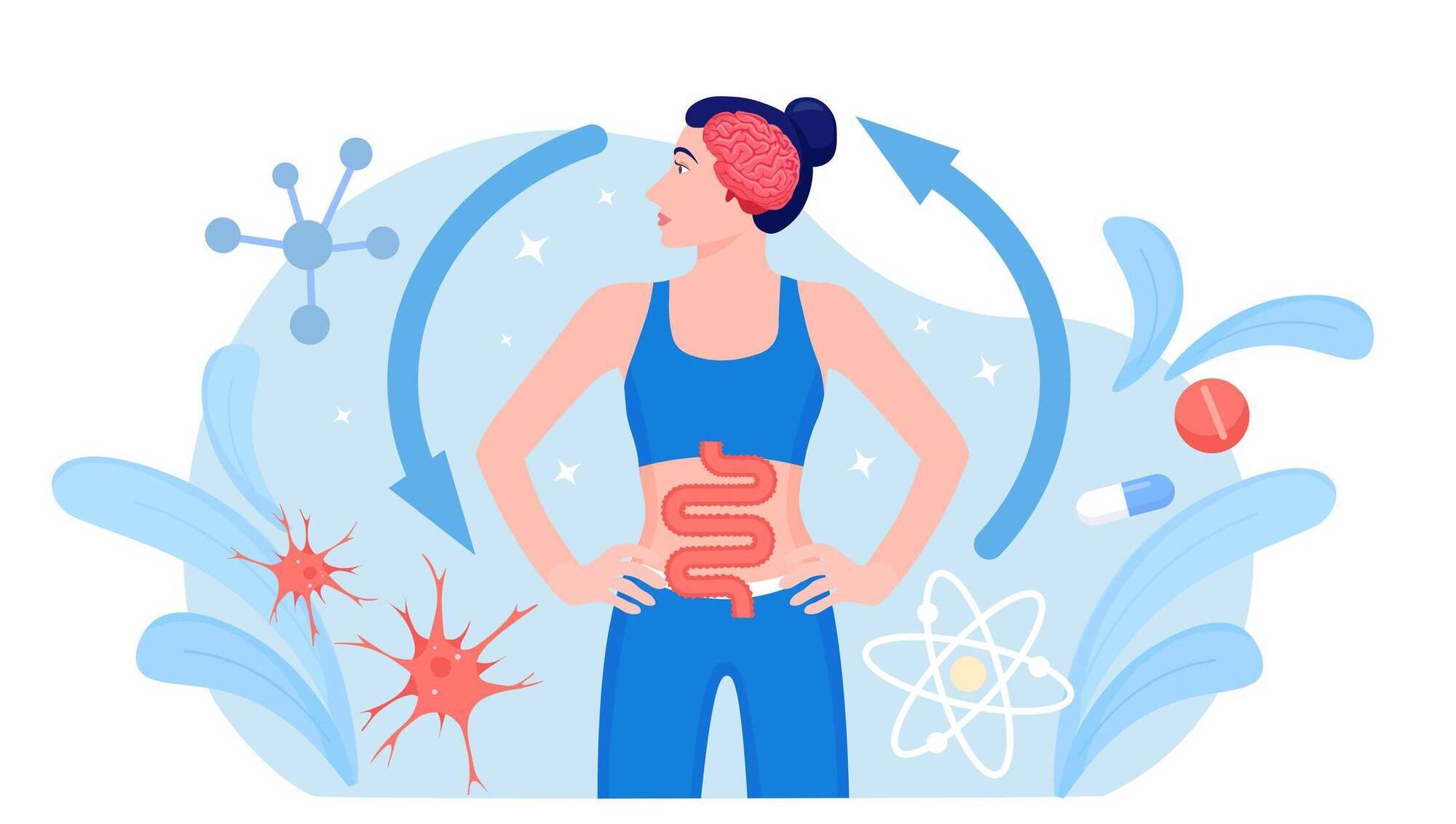
In week three of our summer wellbeing series, Sharon Ní Chonchúir examines how the gut underpins our overall health—body and mind
Slowly introduce a greater variety of fibre-rich plant-based foods into your diet, and increase your fluid uptake, mainly by drinking more water. Picture: iStock

Slowly introduce a greater variety of fibre-rich plant-based foods into your diet, and increase your fluid uptake, mainly by drinking more water. Picture: iStock

Poor gut health significantly affects the quality of life of more than 50% of people in Munster. That’s according to research carried out by Cork-based company PrecisionBiotics last year.

Almost six in 10 of the 1,000 adults interviewed said they experienced digestive issues such as bloating, constipation and cramps and close to half revealed these issues caused them anxiety and stress. Another one in three said their gut health affected their confidence.

In week three of our Disconnect to Connect series, which encourages readers to prioritise their wellbeing over screen time, we ask why gut health is important and what we can do to improve it.

A healthy gut breaks food down into the nutrients we need to absorb and the waste we need to eliminate. Dietitian Orla Walsh ( orlawalshnutrition.ie) outlines the most obvious signs that our digestive system isn’t working well.


Dietician Orla Walsh. Picture: Karl Hussey Photography

“They include bloating, wind, constipation, diarrhoea, reflux and abdominal discomfort,” she says. “I’ve had clients whose lives are seriously impacted by these symptoms. They plan their movements so they are never far from a toilet.”

The gut’s microbiome is central to its healthy functioning, says Jens Walter, professor of ecology, food and the microbiome at University College Cork. He explains that the microbiome is a “complex microbial community of bacteria, fungi, viruses and other organisms” that lives mostly in our large intestine.

“It’s increasingly understood to play a vital role in health, affecting our immune system and predisposition to chronic diseases, brain health and even mental wellbeing,” he says. “In many ways, it’s key to how long and well we live.”

So what can we do to optimise our gut health so that it digests food effectively and hosts a thriving microbiome?

Start with diet, says Dr Deirdre O’Donovan, a consultant gastroenterologist at the Blackrock Clinic, Dublin, adding that you don’t need to completely overhaul the way you eat.

Dr Deirdre O'Donovan: Focus on small steps first

“Focus on small steps that compound over time. If you’re snacking, for example, replace crisps with nuts and sweets with fruit. That will boost your intake of fibre, which is a prime food source for gut bacteria.”

Walsh points out that 80% of Irish adults don’t eat enough fibre. Our average intake of 18g per day falls far short of the 28g-35g that is recommended.

“Increasing fibre can support bowel regularity, stool consistency and beneficial gut bacteria,” she says. “However, it’s best to increase fibre gradually as jumping from a low-fibre diet to a high-fibre one overnight can cause bloating and discomfort.”

Add more plants to the plate

If you want to increase your fibre intake, Dr Alan Desmond, author of The Plant-Based Diet Revolution, who is originally from Cork and is now the lead gastroenterologist at the Devon Gut Clinic in Britain, says it’s all about adding more plants to your plate.

“Fibre is found in plants like beans, lentils, chickpeas, wholegrains, fruit, vegetables, nuts, seeds, spices, tea, coffee and cocoa. A diet should never be about one superstar food but about the overall pattern. Aim for more plants, more fibre and more variety. Diversity on the plate supports diversity in the microbiome.”

Jens Walter: Your gut microbiome plays a vital role in health

He recommends starting with one extra fibre-rich food per day. “Add oats at breakfast,” he says. “Or stir beans into soups and lentils into pasta sauce. Swap white grains for wholegrains. Small changes, repeated daily, can transform fibre intake.”

Walter was part of an international team that proved how beneficial such changes can be to health in a paper published in 2025

They were interested in why levels of chronic disease are low in pre-industrial societies. “Heart disease is rarely found in tribes living in the Bolivian rainforest, and stroke is largely absent in traditional communities in Papua New Guinea,” says Walter. “We wanted to test if diet and its impact on the microbiome might be one of the factors at play.”

They split 30 healthy Canadians into two groups. One continued eating their usual diet for the three-week trial while the other was given what Walter describes as “a plant-forward, high-fibre diet focused on fruit, vegetables, wholegrains and healthy sources of plant and animal proteins”.

At the end of the three weeks, the second group had far higher levels of healthy bacteria in their gut and lower levels of blood glucose, cholesterol, and inflammatory markers.

Limit ultra-processed foods

Are there any foods that we should be cutting out of our diets? While Walsh stresses that she doesn’t want to “demonise individual foods”, she says that “a gut-supportive diet generally means limiting ultra-processed foods, excessive alcohol, fried foods, processed meats, large amounts of added sugar and diets that are very low in fibre. If these foods make up most of the diet, they can crowd out the foods that support gut health.”

The fluids we drink impact our gut too. O’Donovan advises replacing fizzy drinks with water. “Diet drinks in particular have been found to wreak havoc on the microbiome,” she says. “So cutting them out in favour of water will help gut bacteria as well as reduce constipation.”

We should all ensure we’re drinking enough fluids, something that’s especially important when we’re increasing fibre. “Fibre needs fluid to help it move comfortably through the bowel,” says Walsh. “For most adults, a practical aim is between six and eight cups or glasses of fluid a day, although needs will vary depending on activity levels, weather and health status.”

Desmond suggests using urine colour as a guide to whether or not you’re getting enough fluids.

Dr Alan Desmond: Eat plant-based foods to increase fibre intake. Picture: Simon Day

“A pale straw colour usually suggests good hydration while darker urine suggests you may need more fluids,” he says.

Water is the ideal drink, but tea and coffee also count. “Both contain polyphenols, which may be beneficial for the gut microbiome and overall health,” says Desmond. “But it depends on tolerance. Some people with reflux or diarrhoea-predominant irritable bowel syndrome (IBS) find that caffeine worsens symptoms. My advice is to drink tea and coffee if they agree with you but avoid loading them up with sugar and be careful with caffeine later in the day as it can affect sleep and sleep can impact gut health.”

What about the plethora of probiotics and supplements that claim to boost gut health? Should we be popping them?

Walsh warns: “Not all supplements are tested to ensure they make it past our stomach acid and into the gut alive, let alone achieve anything once they get there. However, there are specific strains of probiotics that help address specific symptoms. I usually suggest trying one for four to 12 weeks and monitoring symptoms to see if there is any benefit. But people who are immunocompromised or medically vulnerable should seek medical advice before taking probiotics or supplements.”

Her final tip for enhancing gut health is prioritising exercise. Research, including an Italian study from 2017 shows that regular movement helps support a diverse gut microbiome.

“Regular movement also supports regular bowel movements,” says Walsh. “A short walk after meals can be particularly useful for digestion — think of it as a fart walk.”

One of the pieces of advice that Desmond shares most often is to “think weekly, not daily. A useful target is 30 different plant foods per week. It sounds like a lot, but it adds up quickly. Porridge with oats, berries, banana, flaxseed and walnuts already gives you five.”

O’Donovan sums up by saying that “gut health — like all physical processes — thrives on routine, especially one with regular mealtimes, exercise, and sleep. Use what’s left
of summer to tease out the patterns that work for you and that will be easy to maintain when life gets busy.”

Your homework for our third summer challenge is:

1. Slowly start introducing a greater variety of fibre-rich plant-based foods to your diet.

2. Increase your fluid intake as you do so, mainly by drinking more water.

3. Move your body regularly and try to take short walks after meals.

  • To learn more about the gut-healthy diet developed by Prof Jens Walter and his team, more information, including a free recipe booklet, is available at thenimediet.com

x

More in this section

Lifestyle

Newsletter

Eat better, live well and stay inspired with the Irish Examiner’s food, health, entertainment, travel and lifestyle coverage. Delivered to your inbox every Friday morning.

Cookie Policy Privacy Policy Brand Safety FAQ Help Contact Us Terms and Conditions

© Examiner Echo Group Limited