I got a blood test to learn how much microplastics are in my body — and how it could affect my fertility
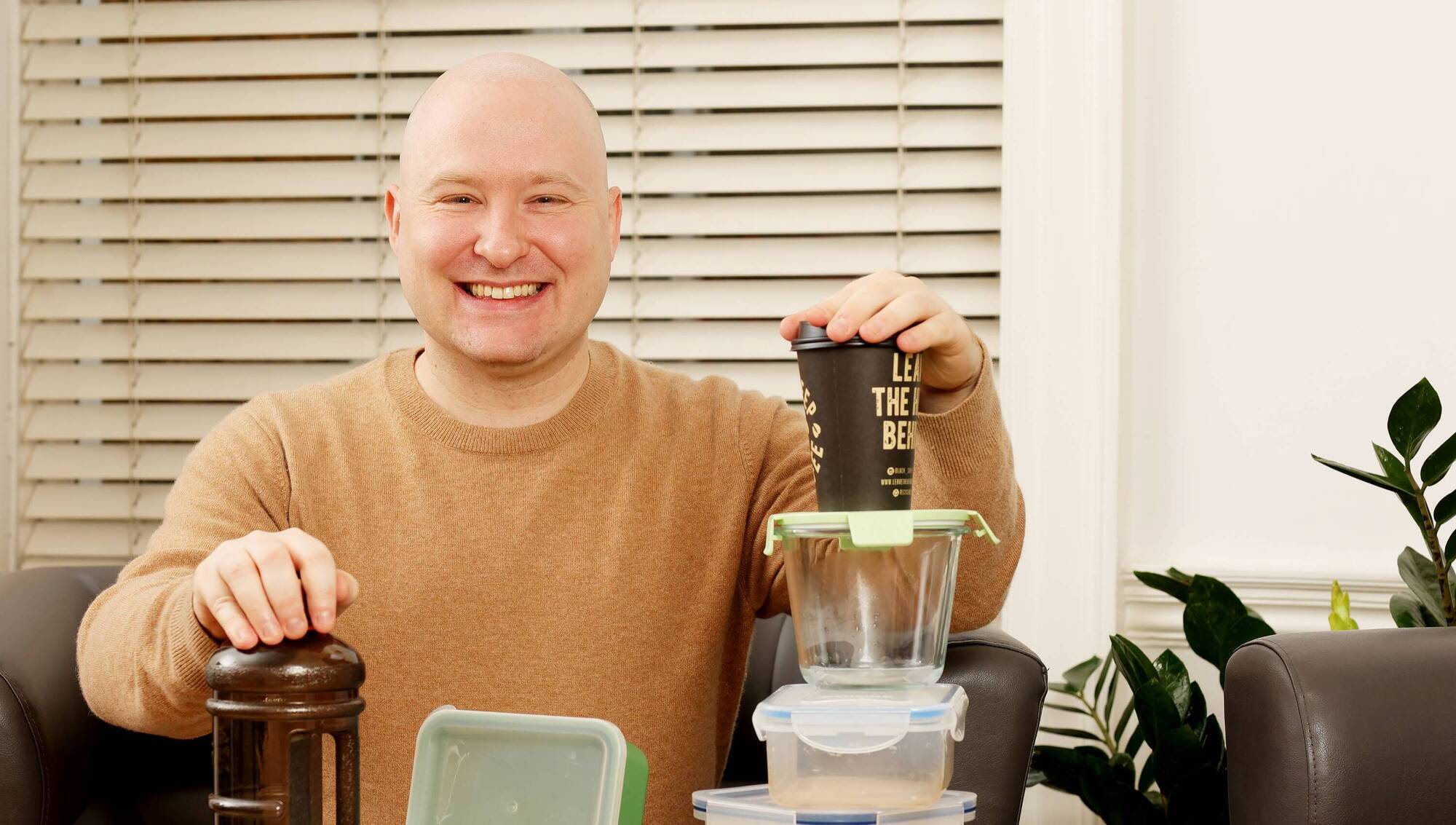
David Cox visited a clinic in London to test the level of microplastics in his body, which could affect his fertility. Picture: Clara Molden
Family planning has never been straightforward, but there’s a new consideration for would-be parents: Is your fertility being impacted by plastic exposure?
Now in my late 30s, my partner Alice and I are planning to conceive next year, but both of us are keenly aware of rising infertility rates.
In Ireland, the latest statistics from HSE suggest that around one in six couples have fertility problems, meaning that it may not be straightforward.
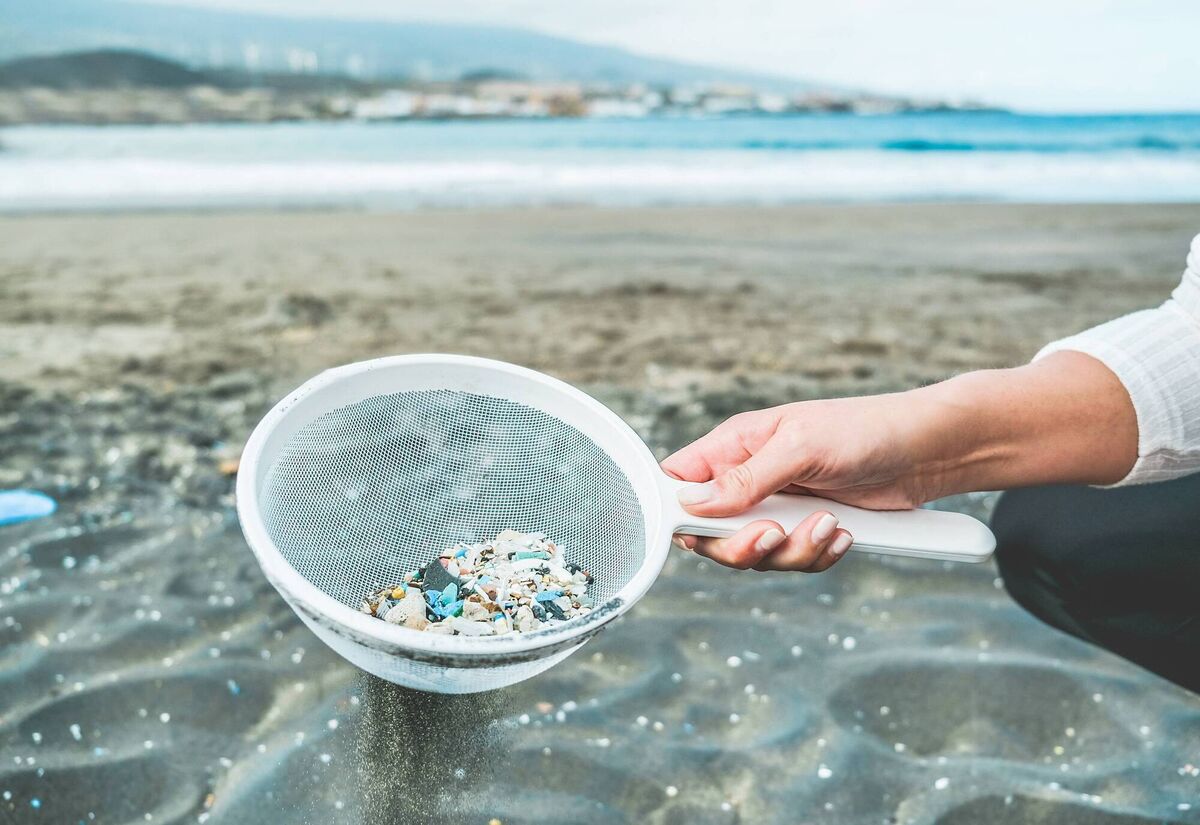
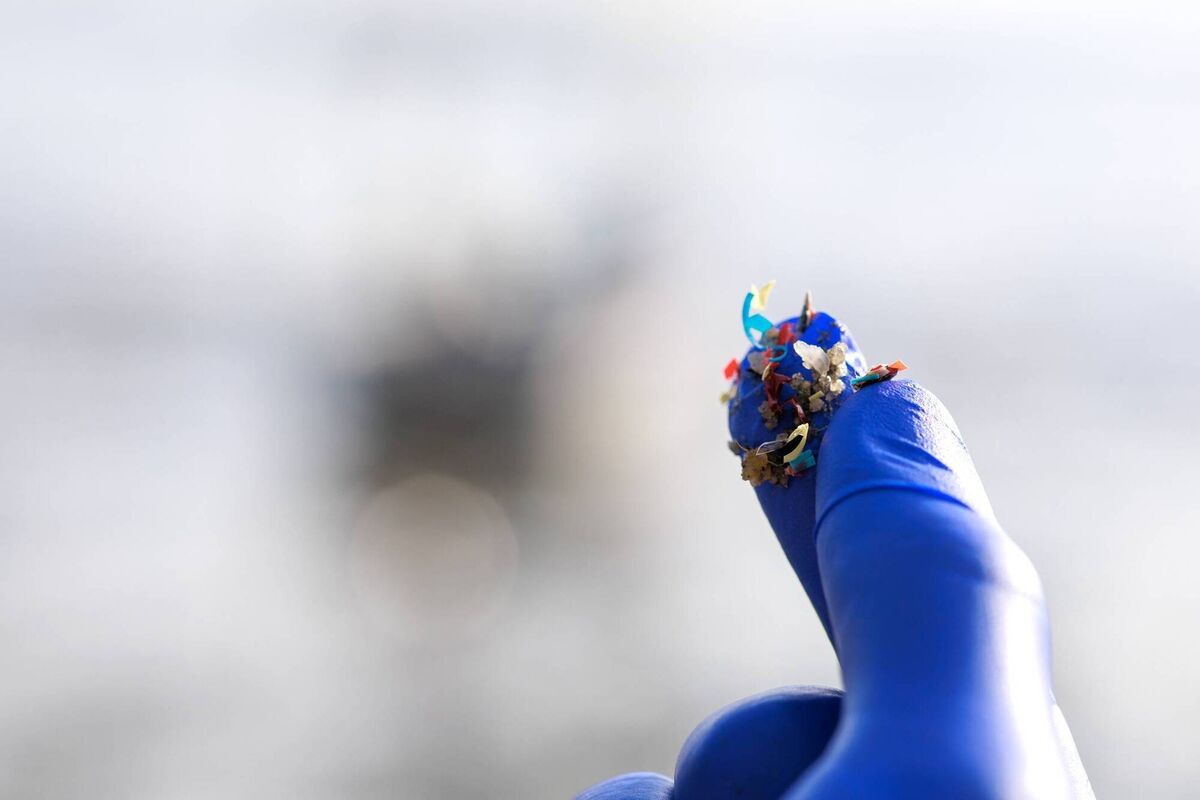
One surprising, yet unexpected contributor could be tiny plastic particles. Microplastics, or pieces of plastic that are less than 5mm long — about the size of a sesame seed — have been detected virtually everywhere in the body, from the liver to the brain.
Perhaps crucially, their presence has been identified across the male reproductive system, with studies locating these plastics in the testes, penile tissue, and semen. The same is true for women. Microplastics have been found in both ovarian follicular fluid, a liquid which is crucial for supporting egg development, and samples of placenta tissue.
According to Enda McVeigh, a reproductive specialist at Sims IVF, one of the biggest concerns is that microplastics may be transporting forever chemicals or PFAS into the human reproductive system. PFAS consists of a group of more than 10,000 synthetic chemicals which have been used in various household products since the 1940s to make them resistant to heat, oil, stains, and water.
McVeigh says these chemicals could be impacting hormonal systems in men and women, which play a vital role in reproductive functions.
“These forever chemicals could affect fertility and conception in a number of ways,” he says.
“Hormones like testosterone and oestrogen are released in one part of your body, but work somewhere else, and when they get to that part of the body, they’ve got to bind to a receptor to act out their function. So, for example, in men, testosterone binds to receptors in the testes to stimulate sperm production. What the chemicals in microplastics might be doing is blocking these receptors so the hormone can no longer bind to them.”
Because microplastics and PFAS are essentially foreign objects in the human body, McVeigh says it is also likely that their presence is sending the immune system into overdrive.
“The immune system is now hyperactive in those areas which can affect reproductive function,” he says. “The immune system will be targeting these plastics [microplastics, PFAS and any plastic in the body] and releasing chemicals which could affect the DNA of sperm or egg cells.”
Other scientists are worried that there may be a bigger problem in the form of even tinier plastic particles known as nanoplastics, particles which are 100 times smaller than the diameter of a human hair and at least 1,000 times smaller than the average piece of microplastic.
Gavin Davey, associate professor in biochemistry at Trinity College Dublin, says some of these plastics are capable of penetrating the membranes of cells: “With microplastics, it’s harder for them to get through biological barriers like skin and cell membranes, but the smaller nanoplastics can get through these barriers more easily.”
Last year, Davey and colleagues published a concerning study suggesting that nanoplastics can target the body’s energy-producing systems. Energy production is carried out by bean-shaped structures called mitochondria, located in the centre of cells, which convert sugars from our diet into energy.
“We found that nanoplastics can get right in there, so you don’t get normal amounts of energy being generated,” says Davey. “Mitochondria are vitally important for nearly all cells throughout the body, so this could affect sperm and egg performance. If mitochondria are affected within an egg cell, that can result in infertility.”
While the idea that nanoplastics are directly contributing to the rising tide of infertility is still theoretical and hasn’t yet been proven, Davey believes that it is certainly plausible.
With the experts’ words ringing in my ears, I decided it was time to get an idea of just how much plastic is currently circulating in my body.
Sitting in a treatment room at the Viavi longevity clinic in central London, I’m getting my fingertips pricked with an old-fashioned metal lancet. The clinic’s director, Dr Sabine Donnai, explains this is because all modern needle technologies utilise plastic materials, something that would compromise the results.
I’m undergoing this arcane and somewhat painful experience because Viavi offers one of the only commercially available tests which attempts to estimate the levels of microplastics in your blood, in partnership with an environmental toxicology laboratory in the US state of Michigan. It also offers a test which analyses how many microplastics are present in your semen.
A few weeks later, the results are available. Given the ominous-sounding theories from McVeigh and Davey on the ways in which tiny plastic particles might impair fertility, I found myself awaiting the information with a distinct sense of trepidation.
But the findings turn out to be encouraging. No microplastics are present in my semen, but then Donnai tells me that there are signs of them in my blood. Her estimates suggest that I appear to be carrying somewhere in the region of 70 microplastics per millilitre in my bloodstream. This is relatively low, with the highest and most worrying concentrations being in people who carry more than 700 microplastics per millilitre of blood.
However, it is worth remembering that there is currently no means of testing a person’s blood and semen for nanoplastics, as these particles are just too small to pick up with conventional diagnostic technologies.
Donnai tells me that while my microplastic load is towards the better end of the spectrum, there’s still room for improvement.
“It’s not bad,” she says. “It’s not to the extent that you have a problem, but ideally you want these figures to be as low as possible.”
When it comes to the list of lifestyle factors which can impact fertility, McVeigh is keen to emphasise that right now, the available data suggests that things like obesity, smoking, and heavy alcohol consumption make far more of a difference than microplastics.
“We can see that there is some effect on fertility with these microplastics and with PFAS, but it is not as big as other factors,” he says.
“Obesity, for example, is a major cause of women not being able to get pregnant, as well as the risk of miscarriage and pregnancy complications. This is because fat tissue isn’t inert, and in women it makes male-type hormones called androgens which can affect egg quality, menstrual cycles and uterine implantation.”
At the same time, taking some small everyday steps to reduce the amount of plastic ending up in our bodies could also make a difference.
According to Junli Xu, an associate professor at University College Dublin, our plastic exposure often comes through either dust and other airborne particles in our homes and offices, along with a range of everyday household items.
Davey also highlights polystyrene lunch boxes — which can leach plastic particles into food over time as they become damaged or if they’re heated by the sun — as one cause of microplastic exposure, along with single-use water bottles, as well as the plastic wraps and white, foam trays which are often used for packaging vegetables and meat in the supermarket, as some of the most common sources of exposure.
“Microplastics have been detected in drinking water, tea bags, salt, seafood, food coated in plastic packaging and cookware,” says Xu. “Reducing the use of plastic cutting boards, cups and containers, particularly when exposed to heat, and opting instead for glass, stainless steel or other inert materials may help to minimise potential [plastic] particle release. Similarly, reducing reliance on single-use plastics is a good precautionary measure.”
In my case, while I have long ceased microwaving food in plastic containers, I still have some exposure in the form of the occasional takeaway coffee in a polystyrene cup, while my partner and I have always used plastic chopping boards, along with toothbrushes and dental floss made from plastic materials. Combined with the plastic particles which find their way into our drinking water, Donnai suggested that this could explain why I have some levels of microplastics in my blood.
But having received my results and discovered that my overall microplastics load is still relatively low, I’m now more optimistic about my chances of becoming a dad next year.
- By nature, tooth brushing is abrasive, and studies suggest that the petroleum-based bristles in your typical toothbrush can release anywhere between 30 and 120 plastic particles per brushing session in your mouth. Instead, opt for a plastic-free option such as the Suri toothbrush.
- Chopping food on a plastic board can lead to tiny shards of plastic ending up in what you’re eating. While the washing might be more hassle, it could be worth investing in a wooden chopping board and other utensils such as stirring spoons.
- If you’re a tea drinker, your kettle could be unexpectedly contributing to your microplastics load. Donnai says that many everyday kettles are made from black plastic, something which tends to be problematic as they often contain other chemicals such as fire retardants. Along with pieces of plastic, these chemicals can leach out into the water that you’re boiling. Instead, she recommends buying a pure glass or stainless steel kettle.
- Even our tap water is not free of microplastics, as airborne plastic particles can eventually find their way into the water supply. Donnai suggests purchasing a reverse osmosis home filtering system to improve the quality of your tap water, with reverse osmosis being one of the best technologies for removing these plastics.

CONNECT WITH US TODAY



Be the first to know the latest news and updates