Working Life: I care for people with young-onset and atypical dementia
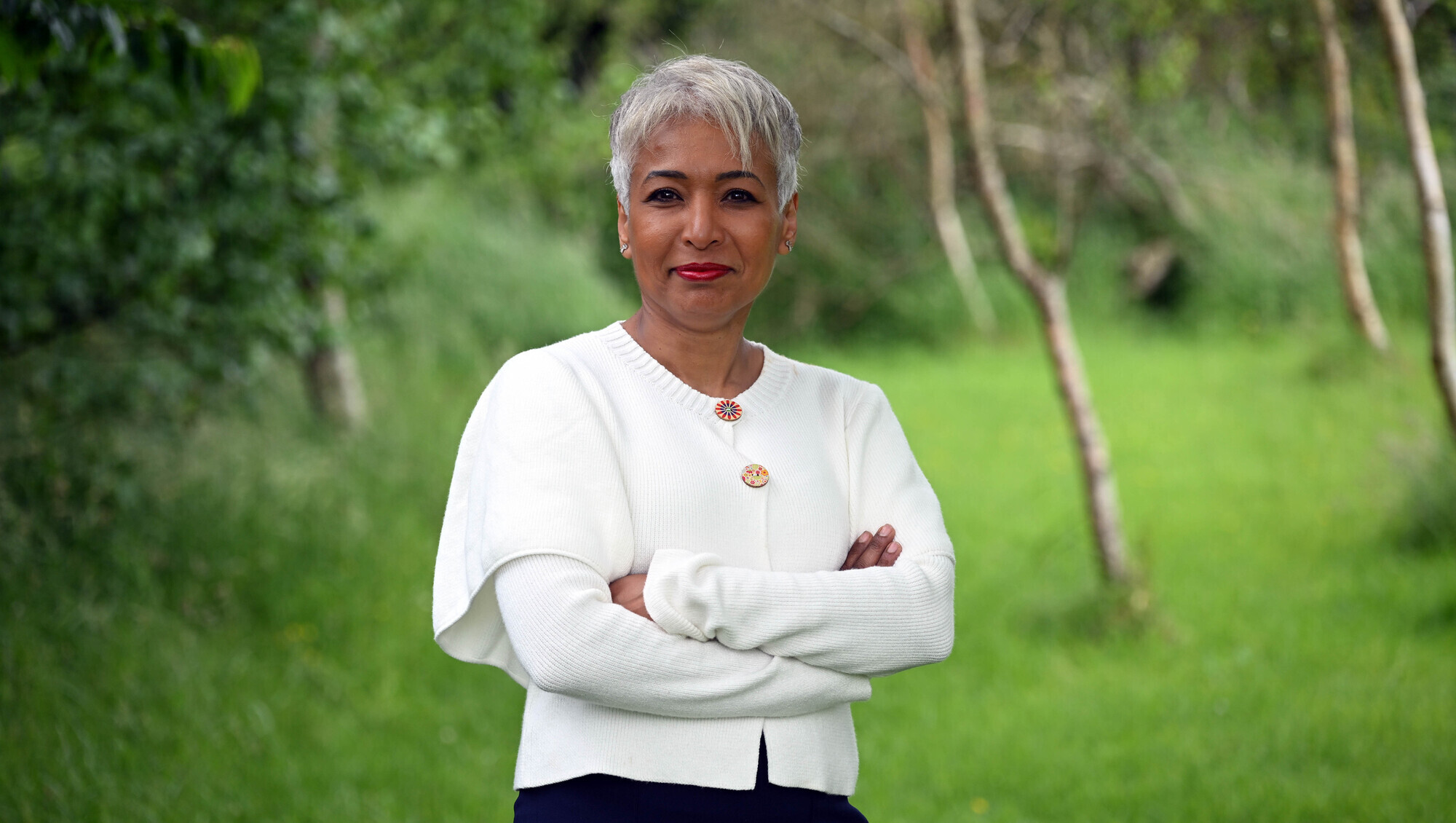
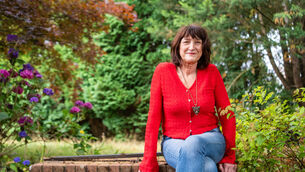
Professor Marwa Elamin, PhD, Consultant Neurologist, University Hospital Galway. Picture: Ray Ryan
“I was drawn to neurology because the brain sits at the very centre of who we are: our memory, our personality, the way we move through the world and recognise the people we love. To work with the nervous system is to work with the most human parts of a person.
“I was never interested in treating an organ in isolation - I wanted to understand the whole person. Neurology, with all its complexity, asks you to do exactly that.
“There was a moment that played into my choice of neurology and reshaped how I understood my role. Early on, I confided in another young doctor that I felt frustrated — even helpless — in neurology, because so often I could not make a person’s disease go away. She told me about her mother, who lives with a neurological condition. Her neurologist had not cured her. But he had supported and empowered her to the point that she now has a fuller life than her daughter.
“That experience taught me that not every doctor can do this — walking alongside someone, restoring their sense of agency and connection, is its own kind of medicine, and sometimes the most important kind.
“My main role is clinical lead of the Regional Specialist Memory Clinic in Galway. We care for people with young-onset and atypical dementia across the West/North West. I’m also a professor at the University of Galway. I love showing students and young doctors that neurology isn’t something to be feared.
“Right now I’m championing the Dementia: Understand Together campaign — the national public awareness initiative led by the HSE in partnership with the Alzheimer Society of Ireland and others. You can learn more at understandtogether.ie, or call the Alzheimer Society of Ireland helpline on 1800 341 341.
- The GAA and HSE’s Dementia: Understand Together have partnered to raise awareness about dementia at the All-Ireland football semi-final in Croke Park on July 12. The partnership highlights the vital role that local clubs and volunteers play in supporting people living with dementia to stay connected and involved in their communities.
Read More