How parkruns bring a wealth of health benefits — both physical and mental
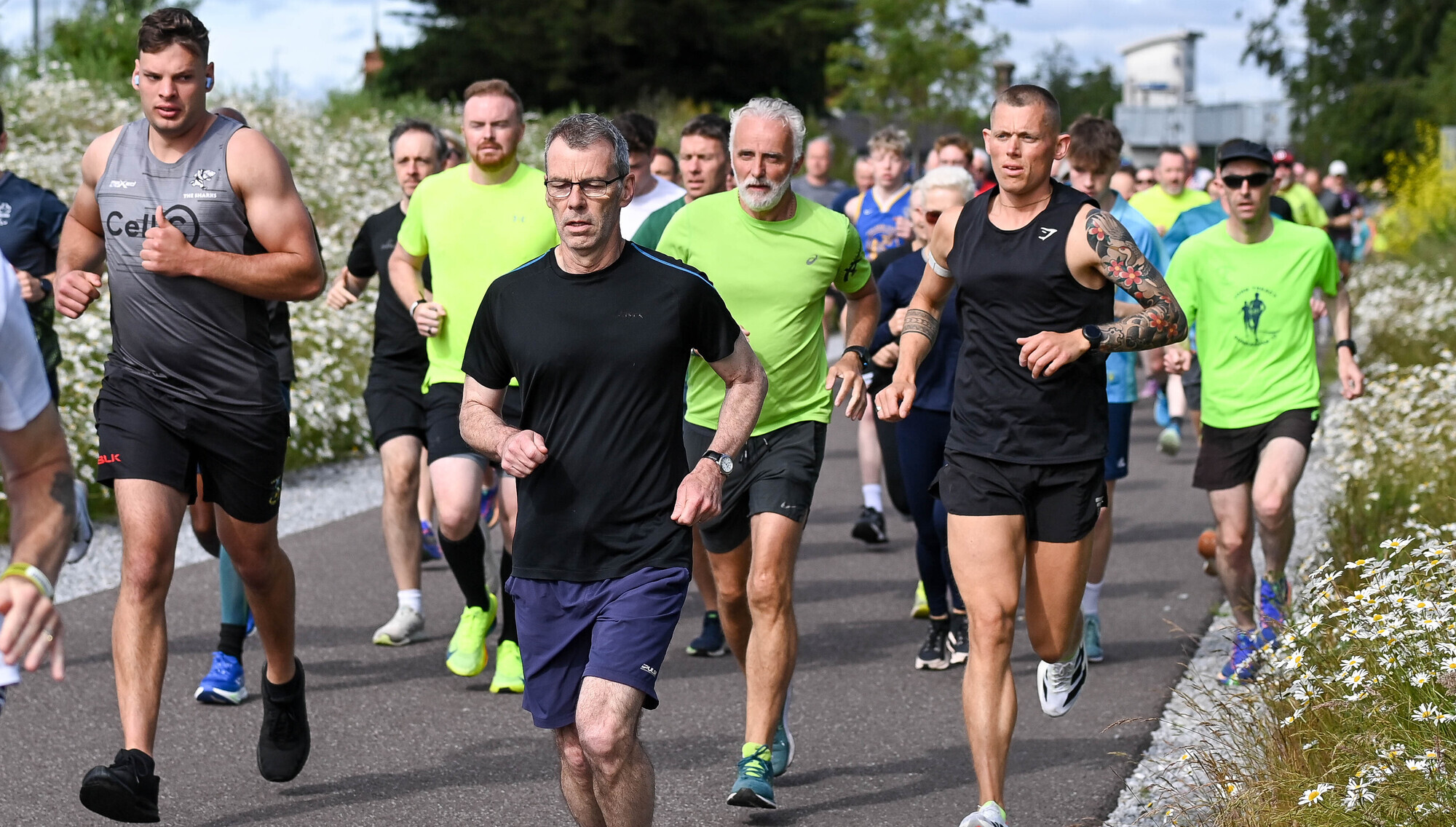
Runners on their way during the Midleton Greenway parkrun in Midleton, Co Cork. Pictures: David Keane.
It’s 9.27am on a Saturday and I’m standing in a group of about 120 people at the start line of the Midleton Greenway Parkrun. We’re waiting for the run director to get the event underway.
It’s a hive of activity: People setting their watches or fitness trackers, doing some warm-up exercises, having the chats, or nervously deep breathing (OK, that’s just me).
Even at this early hour, it’s a scorching hot day; there’ll be no escape from the heat on this run. At the stroke of 9.30am, we’re off. The serious runners make a break for it, effortlessly bouncing down the path.
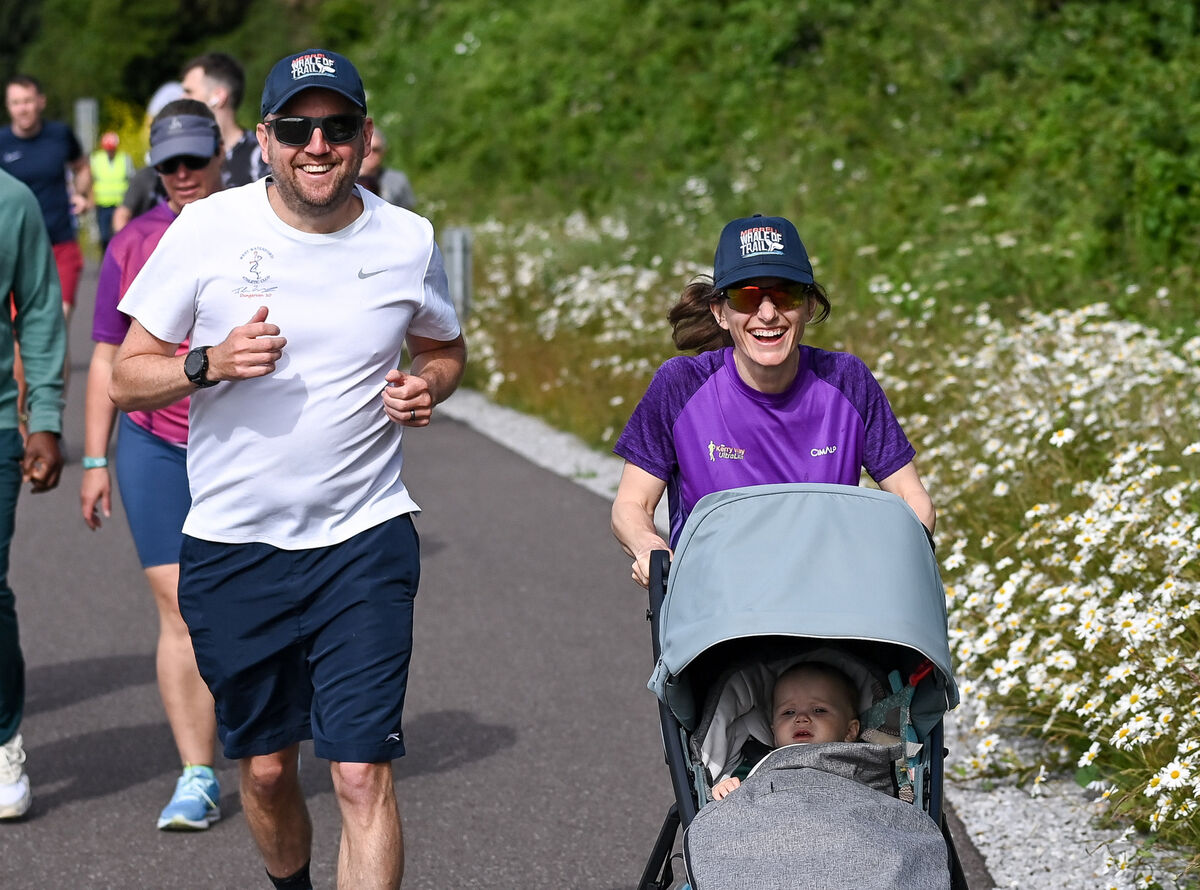
Then there’s a pack of assorted runners and walkers: Families, mothers and fathers with their young children in buggies; teens running with their parents; older participants taking part in groups; and some, like me, who may not have run for years and are keen to get back on track. That’s the beauty of parkruns — it’s for people of all ages, abilities, and fitness levels.
Starting in Ireland in 2012, 9% of the population is now registered for parkrun, ranking us top globally when it comes to parkrun popularity. And with 115 event locations around the country, you’re likely to find a parkrun near you.
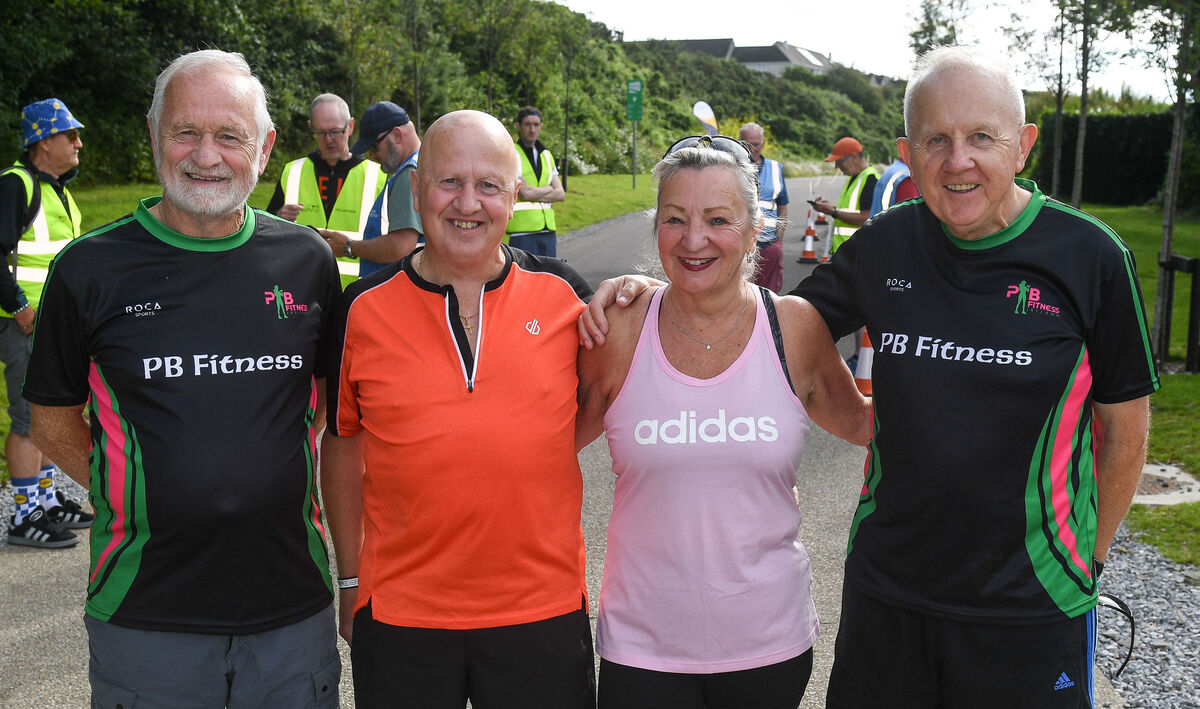
Attend any of the parkruns across Ireland on a Saturday morning and you’ll see a lively group, with banter flowing back and forth, people enjoying meeting up with fellow runners, and the volunteers ready with a smile and some encouragement.
That sense of community is one of the many reasons people regularly turn up at 9.30am every Saturday for this free event, says Marie Murphy, professor of exercise and health at the University of Ulster.
“We already know that if you want to get people active, the short-term benefits are a better way of persuading them. So there’s no point saying, ‘In 20 years’ time, you’ll have less heart disease, or you’re going to live longer’ — they tend not to be the best motivators. The best motivators are that you’ll feel good, you’ll experience enjoyment, your mental health will improve — and I think parkrun has tapped into those short-term benefits.”
These benefits largely centre around the social side of parkruns, which Murphy says the event encapsulates. “Humans are social creatures. We like to do things together, and social support is a major factor for physical activity. This whole idea of having an exercise buddy, somebody you won’t let down because you’ve agreed to meet at a certain time, so there’s that element.”
Parkruns, which happen at the same time, in the same location, every week, revolve around this consistency and accountability, says Murphy, who calls initiatives such as the Daily Mile, created by primary school teachers, and parkrun “the most elegant public health interventions we have”.
Very often, she explains, a parkrun is followed by a social gathering. “People get together afterwards — they might grab a cup of tea or a coffee.”
This tallies with what Liagh Miller, the Midleton Greenway Parkrun event founder and director, sees on the ground. “People come to run or volunteer, then they have a post-run coffee and a chat, they might pop into the farmers’ market or do their shopping, and it becomes part of their Saturday morning routine.”
The Midleton Greenway Parkrun started in February 2025, thanks to Miller. She had taken part in parkruns while living in Dublin but realised there wasn’t one in Midleton, where she now lives and works. After reaching out to parkrun, she was encouraged to set up a local event.
“We’re living in a time where we’re all under pressure with family, with work. There’s the atomisation of our connections now because more of us are working from home. But with parkrun, here’s this activity that we can put in our diary and we know that on that day we’re going to see so-and-so, we’re going to chat with so-and-so, we’re going to breathe fresh air and be out in Mother Nature, getting some physical activity. And that’s a wonderful thing,” says Miller.
Parkruns are hugely beneficial for mental and physical health. A 2024 study of parkrun participants in Britain, led by Sheffield Hallam University, found that 74% of respondents said their life satisfaction had improved through taking part in a parkrun, while 73% said it had improved through volunteering at parkruns. The least active people, in early middle age, or from deprived communities, were shown to benefit the most from taking part in a parkrun.
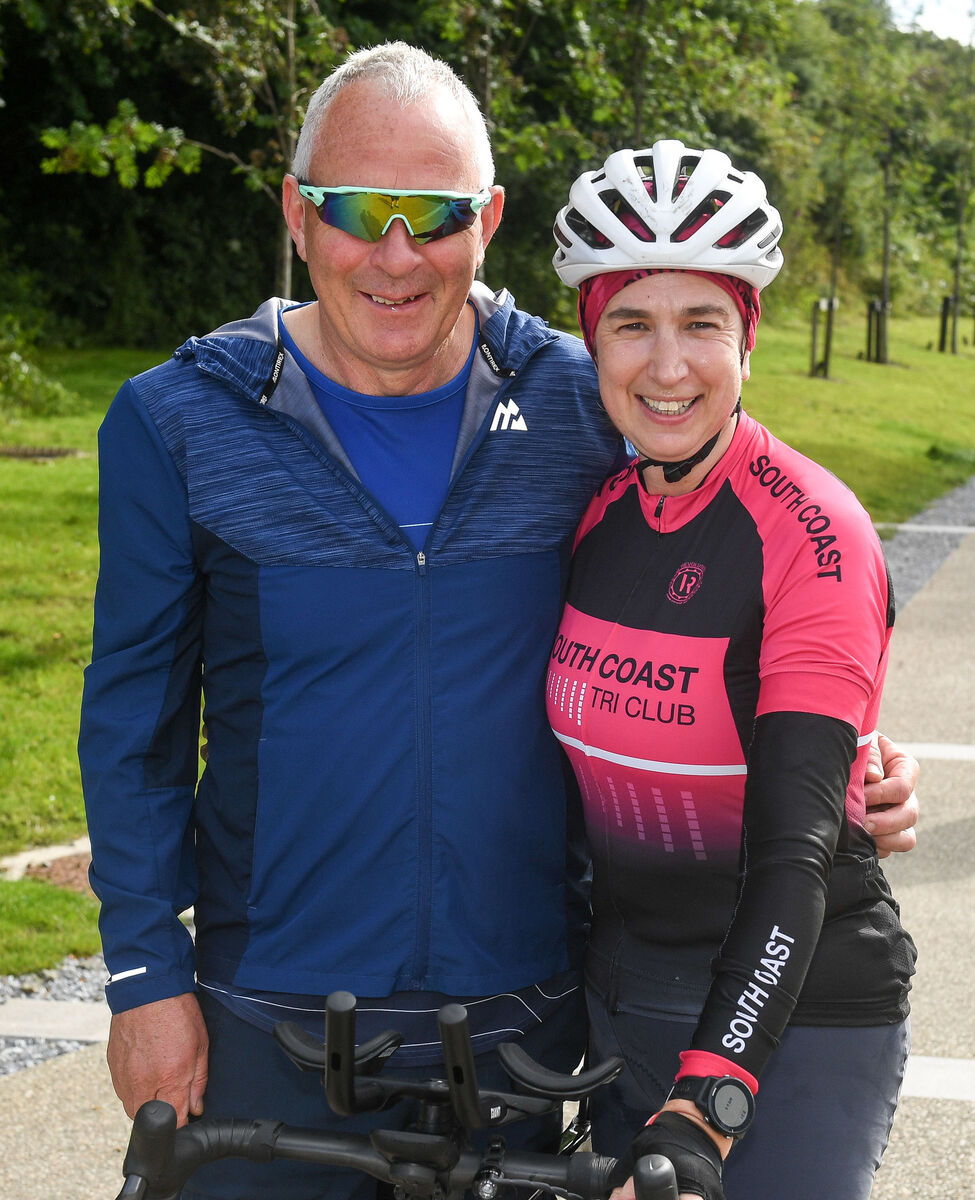
Murphy describes the intensity of parkruns as “perfect” because, although it’s timed, it’s essentially self-paced — you can walk if you want, run when you want.
She links parkruns to public health guidance, explaining that for “almost everybody, even a slow jog puts you into moderate intensity, which is meeting the guideline of 30 minutes’ physical exercise a day”.
Even lighter-intensity walking is still beneficial because, as she puts it, “some exercise is good, more is better” for both duration and intensity, and even light activity is better than “sitting on the couch”.
Volunteering is key to a parkrun’s success. They fill several roles on the day, including setting up the course, welcoming first-timers, scanning barcodes, checking times, tail-walkers, supporters along the route, and event directors.
The Midleton Greenway Parkrun is supported by some 14 volunteers. On the Saturday morning I take part, volunteers are visible at every stage, all with a ready smile and words of encouragement. And some even keep it in the family — the race director on the day, Tomas Igoris, is joined by his 12-year-old son Matas, who also regularly volunteers.
Murphy, a frequent parkrunner herself, says volunteering is a great way to become part of a community initiative. “If you can’t run, you volunteer. And this creates a sense of ownership. You’re not going to a class that’s owned by somebody else; you co-own it because you’re someone who has asked to volunteer.”
Miller agrees, saying she hears from volunteers that once they have volunteered at an event, they enjoy participating more the next time. “The friendly, supportive atmosphere of being a volunteer seeps into their experience and they bring that with them when they run.”
The volunteers and my fellow runners played a valuable role in my first parkrun. I was flagging at the halfway point — Midleton Greenway Parkrun is a back-and-forth route — and the volunteer at the turnaround point did her best to revive my spirits with a rousing clap and “well done, keep going”. It did help; so did the other runners, who gave me nods of encouragement as they passed.
A 2025 study of the social experiences of parkrun participants in Ireland asked respondents what opportunities parkrun opened up for them. The top answers were “I feel part of my community” (48.2%); I have met new people of a different background (33.7%); and I have met new people of a similar background (32.4%). There has been extensive research into how influential social and community networks are on a person’s mental wellbeing
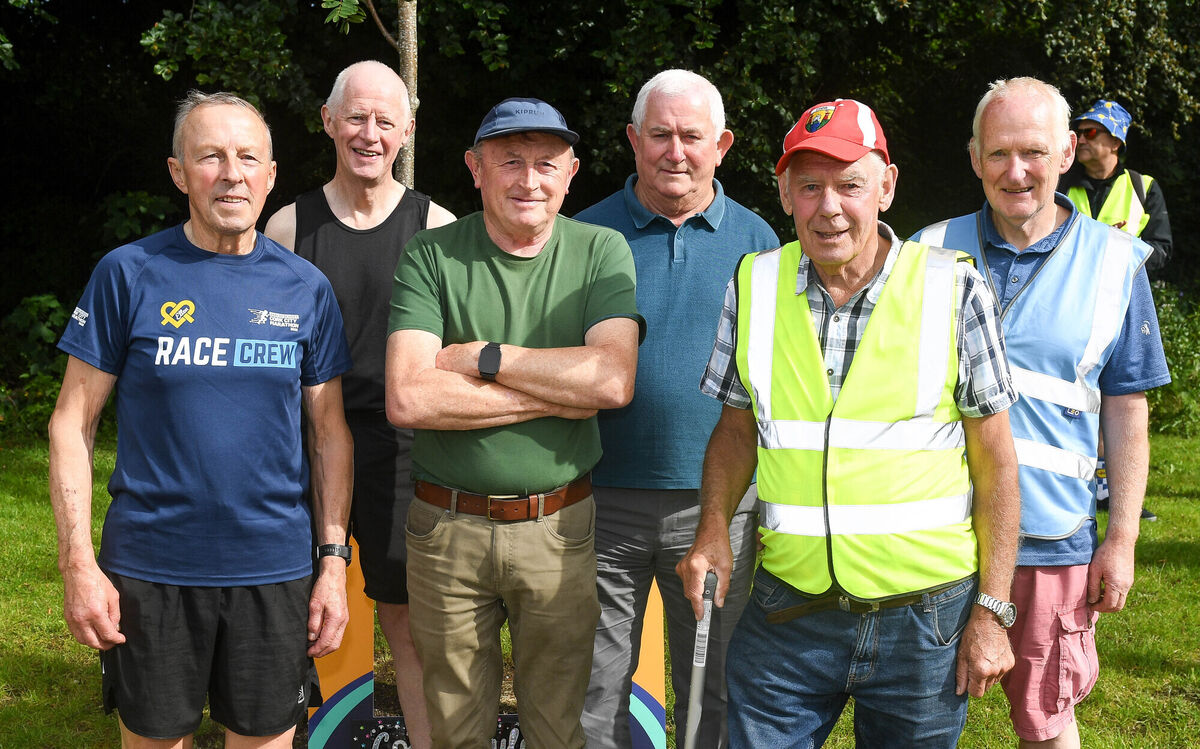
Indeed, on the Saturday I participated in parkrun, it was Men’s Health Week, and to support that initiative, members from a couple of local men’s sheds took part in the event, either running or volunteering. The groups were full of chat and banter, and most banded together to complete the event, egging each other on and supporting other runners.
As I approached “the funnel” at the end of the run — where your barcode is scanned — the volunteers manning this section cheered and clapped. It revived me physically and mentally, giving me that extra pep in my step to finish strongly. Echoes of “well done” and “you did it” followed me as I cooled down.
Exhausted as I was, I also felt a sense of achievement.
Parkrun is not a race. The only person runners are trying to beat is themselves, with many coming back each week to try and better their PB (or personal best).
Before you take part, you register on the parkrun website and create a profile. You also receive a unique barcode that you print out and bring with you on the day. Thanks to the barcode scan at the finish line, your finishing time is available on your profile page of the parkrun website with some handy stats that tell you how you fared
“Although it’s timed, you’re only competing against yourself. And, of course, you can walk if you want; no matter how slow you are, there’s always someone behind you because they always have a tail runner or a tail walker who brings up the rear,” explains Murphy.
The record of your times every week also offers motivation and gives you a reason to come back the next time, she says.
“And then suddenly, you’ve found this outlet. As a result, I have a lot of colleagues and friends who will now describe themselves as runners. Parkrun has given them an identity because they now do a parkrun every Saturday.”
While I wouldn’t yet call myself a runner, I can see how parkruns could become habit-forming. The camaraderie, feeling of achievement, sense of community, buzz, and, of course, the physical health benefits all stack up.


CONNECT WITH US TODAY



Be the first to know the latest news and updates