'Many dads don’t want to be the main breadwinner — they want to be involved in family life'
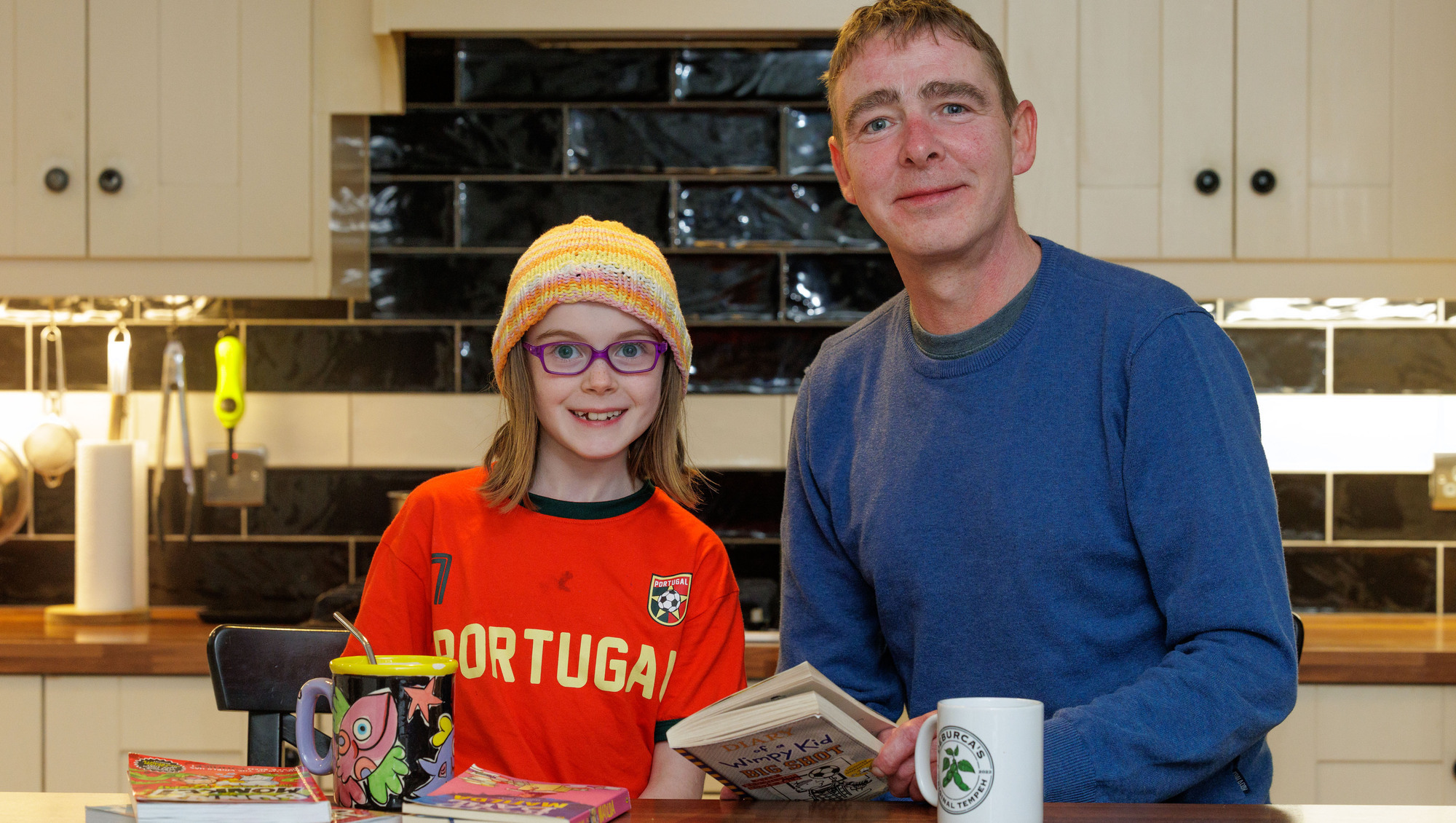
James de Burca was a full-time restaurant chef, but since becoming a father to Ella, he has taken a more flexible approach to work, running his own food business and offering food-training courses around his daughter’s schedule. Picture: Dylan Vaughan
James deBurca is the chef behind deBurca’s Tempeh, a Kilkenny company that produces a traditional Indonesian food made from fermented soybeans. His business is a priority, but it’s not his only one. He is also devoted to his family.
Starting a family wasn’t easy for deBurca and his wife Amanda Mellet. A routine scan during their first pregnancy in 2011 found fatal foetal abnormalities.
“Having to leave the country for a termination and receiving little to no support when we got back led Amanda to call for changes to Irish law and eventually take a case to the UN human rights committee,” says deBurca. “She won, but our lives were upended by the entire experience and we struggled to have another child afterwards. When we had Ella, who’s now nine, I realised I couldn’t continue working as a full-time chef. There are chefs with children who make it work. But I needed more flexibility so I could play more of a role in Ella’s life.”
De Burca’s work now involves developing his business alongside offering his services as a plant-based food consultant and food educator.
He knows he would have a higher income if he returned to full-time salaried work but isn’t willing to pay the price of “not being there as much for Ella. Because I mostly work from home, I can do most of the school drop-offs, pick-ups and after-school activities. Amanda has an office-based job, so she brings in the steadier wage, and we share the housework. We’re a team.”
De Burca believes he is representative of a wider trend. He sees “a lot of dads taking a more hands-on approach. Men are becoming more involved in parenting.”
A paper released by the Central Bank of Ireland earlier this year revealed a 6.5% decline in average hours worked in Ireland between 2019 and 2024. Men accounted for 95% of that decline, with fathers making up 68% of the total.
If that paper shows dads are working less, the gives an insight into how they might be using the time they have gained. This recurring research study analyses the realities of fatherhood around the world — 232 fathers from Ireland were interviewed for its 2023 publication.
Some 84% of those fathers viewed caring for their children as the most important part of their lives, and 82% said they shared caring responsibilities equally with their partners.
The majority stated they were willing to make career sacrifices to do so, with 65% saying they would give up career opportunities for their children.
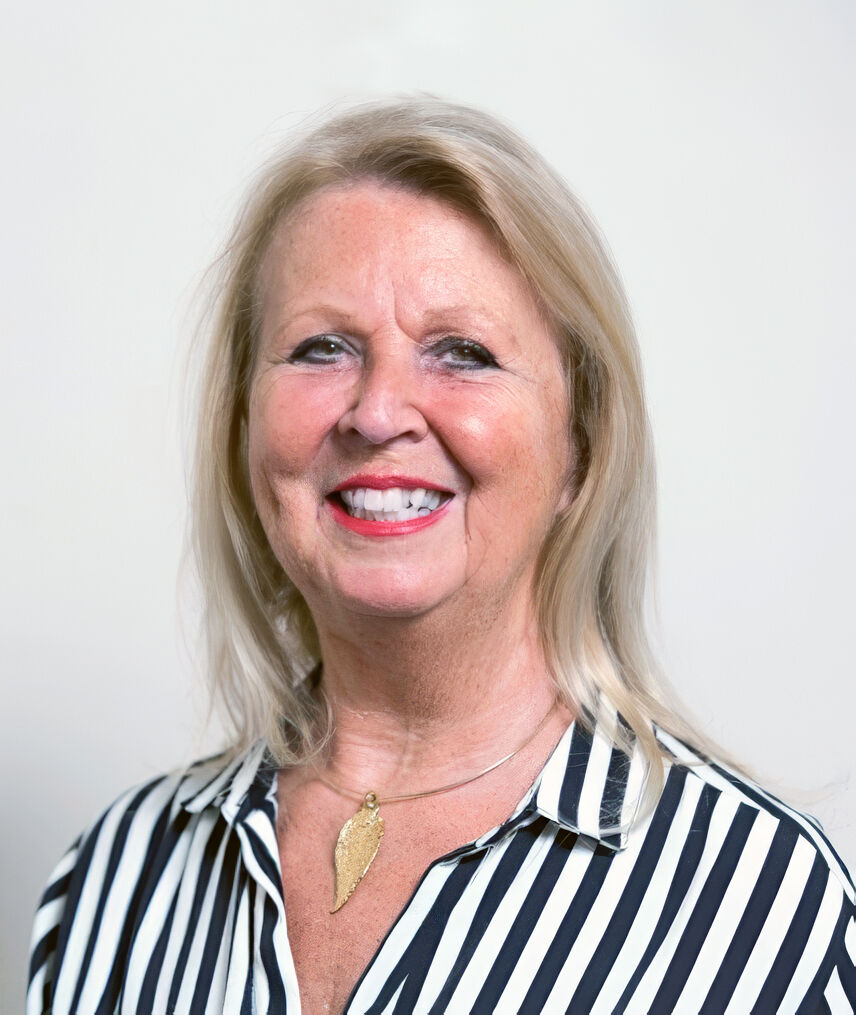
Professor Eileen Drew, the director of the Centre for Gender Equality and Leadership at Trinity College Dublin, says a cultural shift has happened.
“ came out in 1990, and everyone laughed at the mess those men made of minding a child. I don’t think that movie would have the same impact if it came out today. Men are much more exposed to and involved in parenting and encouraged to see it as an enhancement of their lives.
“For too long, too much emphasis was put on men’s success at work. It was only when they retired that many questioned why they had given so much to their careers and at what cost.”
Drew identifies the trend for women to remain in the workforce post marriage as one of the biggest factors driving this cultural shift. “With mortgages and rents being what they are, women’s earnings are essential to most households,” she says. “Consequently, men have to pitch in more with parenting and running the home.”
The pandemic may have had a role to play, too.
Drew’s academic work has involved interviewing men about their experience of fatherhood, and she says they often speak about wanting to break with traditional norms. “Many don’t want to be the main breadwinner if it means spending lots of time away from their families. They want to be involved in family life.”
A lack of supportive workplaces may be where men encounter an obstacle to hands-on fatherhood. While women get six months’ paid maternity leave, most men only get two weeks’ paternity leave paid at a statutory rate of €299 per week. This rate places Ireland fifth from the bottom among EU states in providing paid supported leave for fathers.
“Some employers top that up and offer a longer leave period but for the majority, paternity leave is woefully short and not on good terms,” says Drew.
Figures from the Central Statistics Office show that just over half of eligible fathers avail of paternity leave. Stephan Köppe, a researcher and assistant professor of social policy at University College Dublin, points out that this figure is “well below the average of our European neighbours, where 68% take paternity leave, with countries like Norway, Sweden, Iceland, Spain and Estonia leading the way”.
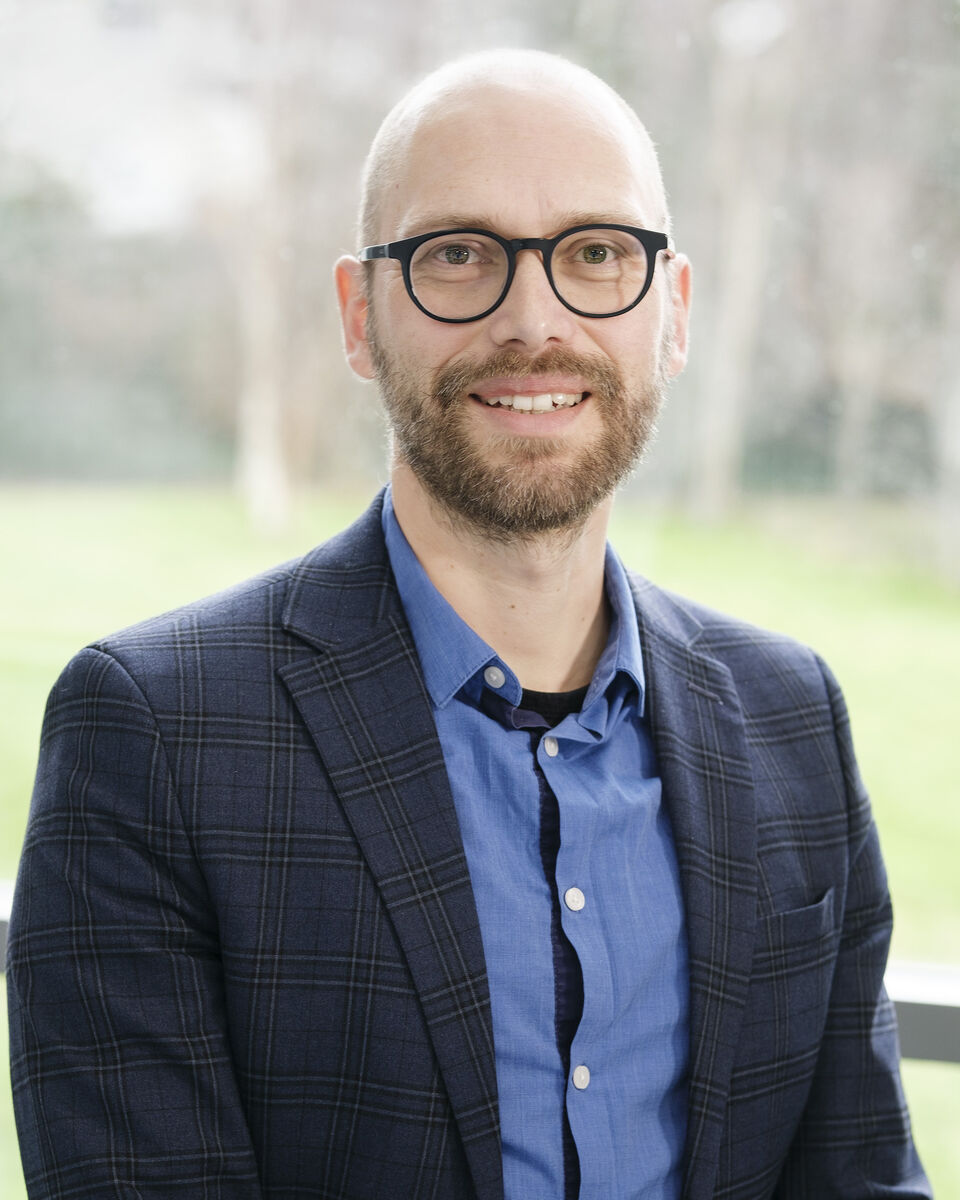
Köppe adds that men’s uptake of parent’s leave is also low. Parent’s leave was introduced in 2019 and entitles both parents to nine weeks’ paid leave during the first two years of a child’s life, paid at a rate of €299 per week.
“The most recent ESRI study showed that 26% of fathers took parent’s leave in 2021 compared to 70% of mothers,” says Köppe. “Because the statutory benefit doesn’t replace earnings, it is unattractive for families.”
Parental leave is also available to both mothers and fathers. They can take up to 26 weeks off work before their child’s 12th birthday but it’s entirely unpaid.
Köppe argues that increasing the payment made to fathers availing of paternity or parent’s leave would make a difference. “There is ample evidence from other countries that increasing the payment to at least 66% of average wages is what works. And here in Ireland, organisations that offer top-up payments see much higher take-up of leave.”
Both fathers and their children would benefit if more men took paternity leave. A 2019 US study found that children from families where fathers took paternity leave of two weeks or more were more likely to report closer relationships with their dads nine years later than children whose fathers didn’t.
Those relationships can have positive knock-on effects. Research published by the ESRI in 2021 reported that children who said they were close to their fathers tended to be happier, less anxious and more engaged with healthy physical activity.
Supporting fathers in taking an active role in their children’s lives starts with “fully remunerated, easy to access and socially and professionally acceptable paternity leave”, says Drew. “Once that is available, men will be able to play their part in caring for their children from the beginning.”
Drew would also like to see a change in the narrative around fatherhood. She argues that “fulfilment can come from playing multiple roles in life. The paid work you do as a professional can be fulfilling, and so can caring for children or others.”
Köppe believes that Irish people want more paternity supports. He points to the European Social Survey in which people were asked if they would support policy measures where fathers and mothers were required to take equal periods of paid leave, and 68% of Irish respondents said they would.
If such supports were available, more men would be able to be more involved in the care of their children, with all of the associated advantages for men, children and families.
“We’re still light years away from taking paternity seriously here in Ireland like they do in countries such as Sweden where 480 days of paid parental leave are provided per child and have to be divided between both parents,” says Drew.
“By moving in that direction and by taking steps to encourage fathers to embrace their care giving role, everyone wins. Children build stronger relationships with their fathers. Men get to experience more of the fulfilment that comes from parenthood. And women don’t have to carry the burden of childcare on their own, a burden that can often be to the detriment of their careers.”

CONNECT WITH US TODAY



Be the first to know the latest news and updates