More workers in Cork and Munster back in the office, says new report
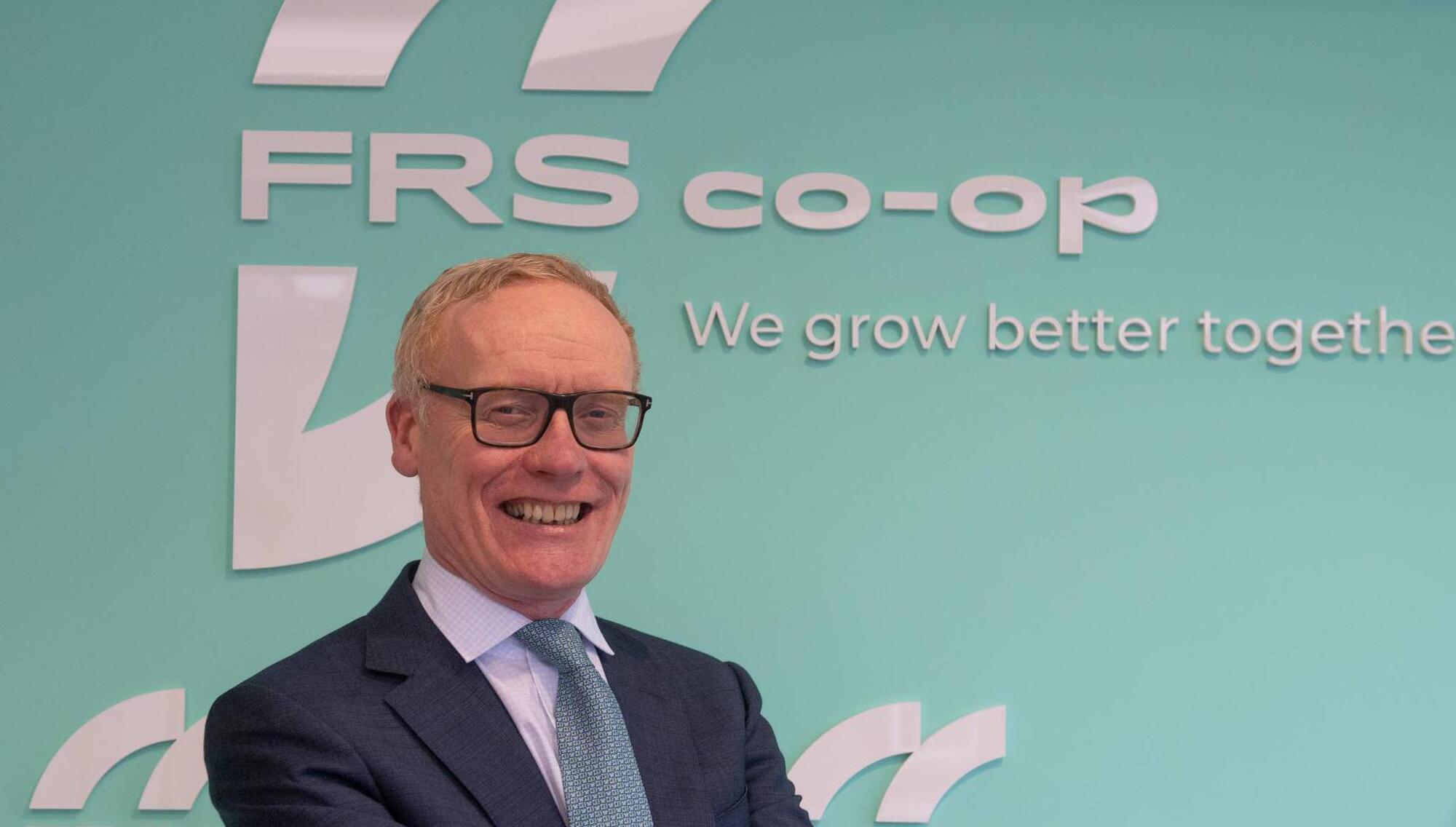
Colin Donnery of FRS. Around 45% of Irish employees expect their roles to be impacted or replaced by AI in the future, according to the FRS Employment Insights Report published on Wednesday.
Around 45% of Irish employees expect their roles to be impacted or replaced by AI in the future, according to a new report on Irish workplaces.
The 2026 Employment Insights Report from FRS Recruitment found growing fears among Irish workers that artificial intelligence (AI) technology will end up making their jobs obsolete. This figure is up 19 percentage points compared to last year.
The report found that more than a quarter of workers (27%) report using AI regularly in their role, while a further 40% said they use it occasionally. The report found just 29% of Irish companies currently provide proper AI training to their staff.
Read More
"While concerns about the long-term impact of AI on employment are increasing among both employers and employees, the evidence suggests that its influence is currently being felt primarily through the automation of tasks rather than the replacement of entire roles," said Colin Donnery, group CEO of FRS Co-Op.
Meanwhile almost one in five workers in Cork are in a hybrid arrangement, though most are working fully onsite, according to the report. It found 74% of employees worked fully onsite, 19% worked in a hybrid arrangement and 7% worked fully remotely. CSO figures published in February found that the number of people nationally who worked from home had decreased by 16,100, or 1.7% to 956,600 in the fourth quarter of 2025. At the same time, those that never worked from home rose by 74,200, or 4.1% to 1,865,600, exceeding the pre-pandemic level for the first time, the CSO data said.
The FRS Employment Insights Report published on Wednesday said that 82% of employers in Cork rate employee retention as a high priority for the year ahead, while 68% say salary and pay are the main reason candidates are leaving their roles. Some 63% believe candidate suitability has declined compared with last year. Around 58% of employers are currently hiring, with a further 32% expecting to recruit within the next three months.
Elsewhere in Munster, in Clare, Kerry, Limerick, and Tipperary, the report said that 81% of respondents said salary was one of the most important factors when considering a new role. More than half of workers (57%) in these counties expect to receive a pay rise in the next 12 months.
Despite recent job cuts in the technology sector, the report found that overall, business confidence has improved this year. Almost two thirds (65%) of companies in Ireland said they had commenced recruitment campaigns this year, representing an 11-point rise compared to the same time last year. A further 10% of companies say they intend to start hiring within the next three months.
“Against a backdrop of continuing economic uncertainty, geopolitical instability, rising living costs and accelerating technological change, the findings of the 2026 Employment Insights Report reveal a labour market that remains resilient, while also highlighting significant shifts in recruitment, workforce priorities and employee behaviour," said Lynne McCormack, FRS Recruitment general manager.
“In this year’s report, we have also reflected and compared the results of our 5 previous surveys. Interestingly, employers’ attitudes have shifted substantially in recent years. In 2026, focus has been on staff retention, artificial intelligence, upskilling workers, salary reviews, wellbeing, and pay transparency – the majority of these topics were barely discussed five years ago. This showcases that Irish employers are becoming much more strategic about workforce management.”


CONNECT WITH US TODAY



Be the first to know the latest news and updates